



Why Varied Movements Matter
To build truly strong thighs, it’s important to understand their anatomy. Your thighs are not a single muscle; they are a complex group including the quadriceps on the front, the hamstrings on the back, the adductors on the inner thigh, and the abductors
on the outer thigh. Focusing on just one type of exercise, like squats, can lead to muscle imbalances. By incorporating varied movements, you ensure that all these supporting muscles are developed evenly. This balanced approach not only builds comprehensive strength but also improves hip and knee stability, which can significantly reduce the risk of injury. Strong, balanced thighs support everything from better posture to pain-free knees.
The Foundational Bodyweight Squat
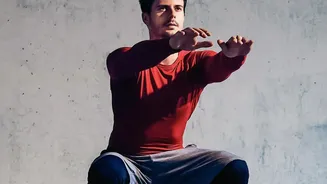
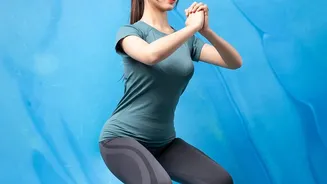
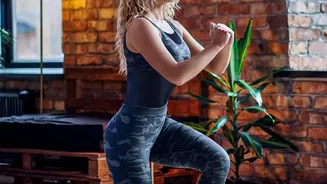
The squat is a cornerstone of lower-body strength for a reason. It is a functional movement that targets the quadriceps and glutes, preparing your body for everyday activities like sitting and standing. To perform a bodyweight squat, stand with your feet shoulder-width apart, toes pointing slightly outward. Keeping your chest up and your back straight, lower your hips as if sitting in a chair. Go as low as you can comfortably while keeping your heels on the floor. Pause for a moment, then drive through your heels to return to the starting position. Aim for controlled movements rather than speed to ensure proper muscle engagement.
The Dynamic Lunge
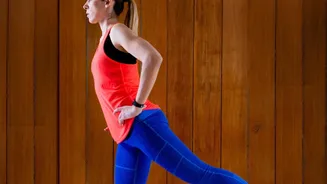
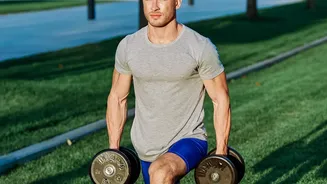
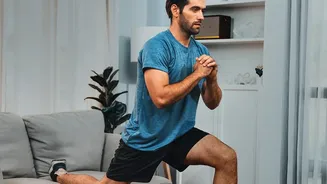
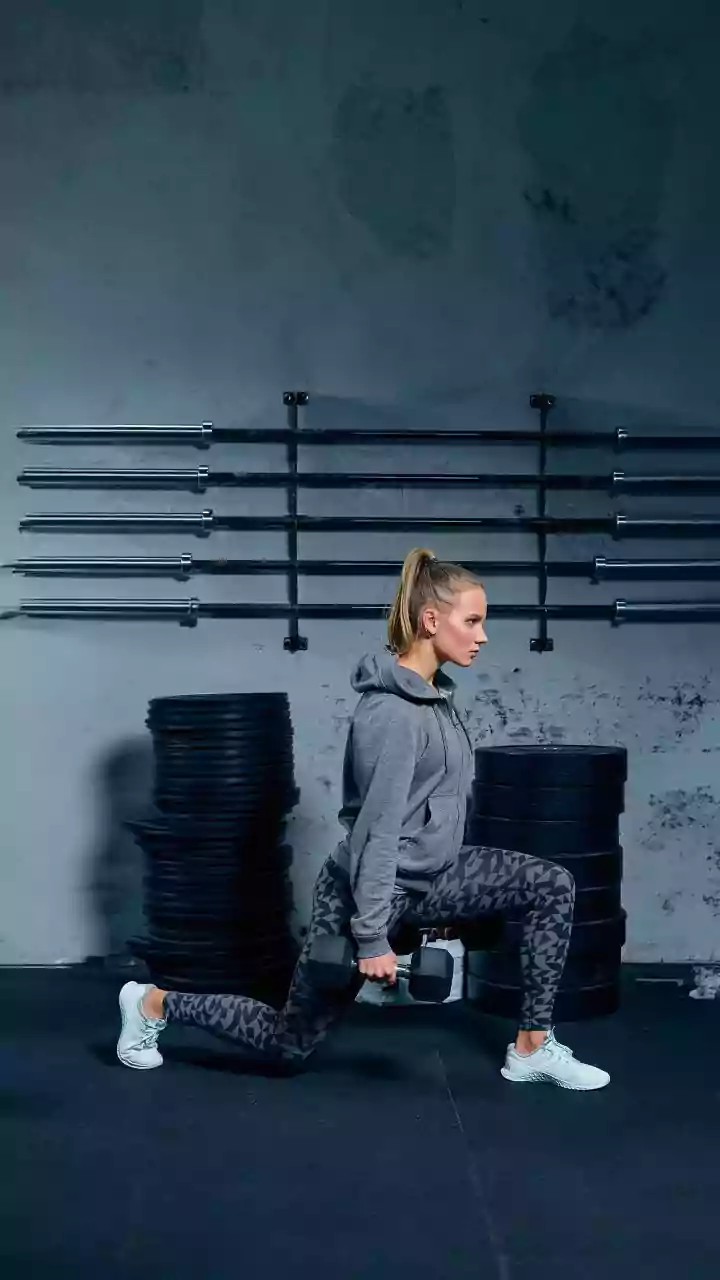
Lunges are excellent for targeting each leg individually, which helps to correct strength imbalances. This exercise strengthens the quads, hamstrings, and glutes while also challenging your balance and core stability. To start, stand tall and take a generous step forward with one foot. Lower your hips until both knees are bent at approximately a 90-degree angle, ensuring your front knee stays behind your toes and your back knee hovers just above the ground. Push off your front foot to return to the starting position and repeat on the other side. This movement is highly effective for building functional strength.
The Glute Bridge for Hamstring Strength
While often seen as a glute exercise, the glute bridge is fantastic for activating and strengthening your hamstrings, which are a crucial part of the thigh muscle group. Strong hamstrings are vital for knee flexion and hip extension. To perform a glute bridge, lie on your back with your knees bent, feet flat on the floor hip-width apart, and your arms by your sides. Squeezing your glutes and hamstrings, lift your hips off the floor until your body forms a straight line from your shoulders to your knees. Hold the peak contraction for a second before slowly lowering back down.
Side-Lying Leg Lifts for Inner Thighs
The inner thigh muscles, or adductors, are often neglected in standard workout routines but are essential for hip stability and balance. Weak adductors can even contribute to knee pain. A simple way to target them is with side-lying leg lifts. Lie on your side with your legs extended. You can prop your head up with your hand. Bend your top leg and place the foot flat on the floor in front of your bottom leg. Keeping your bottom leg straight, slowly lift it as high as you can, focusing on squeezing the inner thigh. Lower it back down without letting it rest completely on the floor to maintain tension.
Standing Leg Raises for Outer Thighs
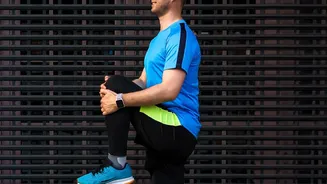
The outer thighs, or abductors, are responsible for moving your leg away from your body's midline and play a key role in stabilizing the pelvis. Strengthening them helps improve balance and prevent lower back pain. For a standing leg raise, stand tall and hold onto a wall or chair for support if needed. Keeping your leg straight and your core engaged, slowly lift one leg out to the side as far as is comfortable without leaning your torso. Feel the contraction in your outer hip and thigh. Hold briefly, then slowly return to the start. This isolation exercise ensures your abductors are getting the attention they need.