





A Landmark Order for Equality
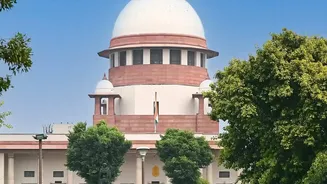
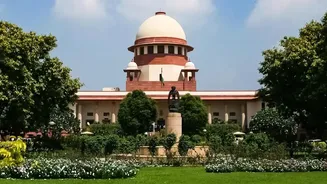
In a significant directive, the Supreme Court of India has ordered Indian Railways to extend travel insurance coverage to all passengers who purchase tickets at railway station counters. The court has set a strict deadline of October 27, 2026, for the implementation
of this order, making it clear that the Railway Board will be held directly responsible for any failure to comply. This ruling came from a bench of Justices Ahsanuddin Amanullah and R. Mahadevan during a hearing related to railway safety, which was initiated following the tragic Odisha train accident in June 2023. The court observed that it had previously given authorities sufficient time to create a mechanism for this, but no substantial progress had been made.
The Digital Gap at the Ticket Counter
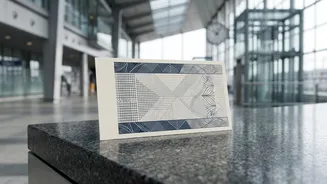
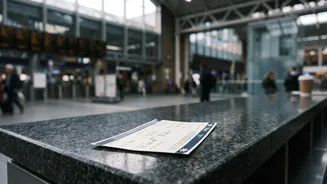
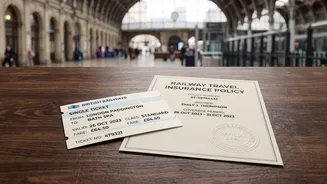
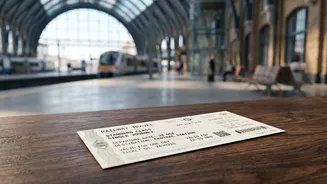
Until now, the optional travel insurance scheme was available only to passengers booking e-tickets through the IRCTC website or mobile app. For a premium of just 45 paise per passenger, travellers could get coverage of up to ₹10 lakh for accidental death or permanent total disability, along with benefits for injuries and hospitalisation. However, this crucial safety net was completely inaccessible to those who bought their tickets offline. The Supreme Court explicitly recognised that this group predominantly includes people from the 'lowest strata of society' and those in remote areas who may not have access to or be comfortable with digital platforms. With over 87% of reserved tickets now booked online, the court's intervention aims to protect the significant minority who still rely on physical counters.
Why This Ruling Matters
The court's decision is about more than just insurance; it's a strong statement on equality and the responsibility of public services to cater to all citizens, regardless of their digital literacy. The bench noted that a passenger's life and safety cannot be valued differently based on how they purchased their ticket. The plea that led to this order was originally focused on a probe into the Balasore accident and the implementation of safety systems like Kavach. However, the court expanded the case's scope to address broader passenger welfare issues, including the glaring disparity in insurance access. By making insurance mandatory for all ticket types, the court is ensuring that every passenger has access to a financial safeguard in the event of a tragic accident.
The Road to Implementation
The primary challenge for Indian Railways now is to figure out the logistics of offering insurance at crowded ticket counters by the October 27 deadline. While the online system is a simple opt-in click, the offline process will require changes to the Passenger Reservation System (PRS) software and a new workflow for ticketing staff. Key details, such as whether the premium will remain 45 paise and how insurance documents will be issued and claims processed for counter tickets, are yet to be clarified by the Railways. The court's stern warning and direct accountability placed on the Railway Board are intended to ensure these hurdles are overcome swiftly. The court expressed its displeasure with the overall pace of safety measure implementation, noting that assurances from the Railways had often remained 'largely on paper'.