







The Perfect Storm for Germs
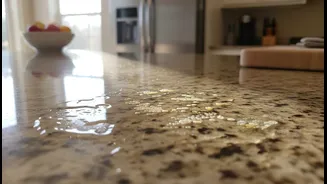
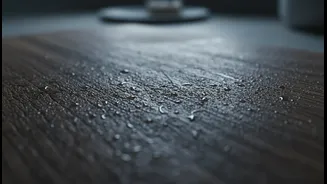
High humidity is the secret ingredient for explosive bacterial growth in your kitchen. Bacteria, like most living things, need water to thrive. When the air is thick with moisture, a thin, invisible film of water can form on surfaces like your countertops,
even if they appear dry. Combined with the warmth of an Indian summer or monsoon season, this creates a paradise for germs. In what is known as the 'Danger Zone'—temperatures between 4°C and 60°C—bacteria can multiply with astonishing speed. Some types can double their population in as little as 20 minutes under these ideal conditions. This means a single stray bacterium from a piece of raw chicken or unwashed vegetable can become thousands, and then millions, in just a few hours.
Meet the Unseen Residents
The bacteria setting up camp on your counter are not just harmless microbes. They often include pathogenic varieties that can cause foodborne illnesses. Common culprits include Salmonella and Campylobacter, often brought in on raw poultry and meat. E. coli can arrive on anything from uncooked beef to unwashed produce, while Listeria can be found in certain dairy products and can even grow in refrigerator temperatures. These germs are transferred to your counters via cross-contamination—when juices from raw meat drip onto the surface, or when you place a contaminated grocery bag or even your phone down. Studies have shown that the kitchen can often be more contaminated with certain bacteria than the bathroom.
Danger Zones Beyond the Counter
While countertops are a major area of concern, they are far from the only hotspot. Kitchen sponges and dishcloths are notorious for being the most bacteria-infested items in the entire home because they are constantly damp. Your kitchen sink, especially the drain area, is another prime breeding ground for bacteria like E. coli and Salmonella. Cutting boards, particularly those with knife grooves where bacteria can hide, are also significant sources of cross-contamination. Even appliance handles, faucet taps, and the seals of your refrigerator can harbor surprisingly diverse bacterial communities, often transferred from our own hands.
Your Defence: The Clean, Sanitise, Disinfect Method
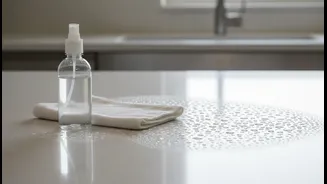
Keeping your kitchen safe requires more than a simple wipe-down. It's a three-step process: clean, then sanitise or disinfect. First, always clean surfaces with warm, soapy water to remove physical dirt, grease, and food particles. Cleaning removes many germs but, more importantly, it allows sanitizers and disinfectants to work effectively. After cleaning, it's time to tackle the invisible threat. For food-contact surfaces like countertops and cutting boards, you should sanitise. Sanitizing reduces the number of bacteria to a safe level. You can use a food-safe commercial sanitiser or a simple homemade solution of one tablespoon of unscented bleach in a gallon of water. Let the solution sit for at least a minute before wiping or air-drying. For high-touch areas not in direct contact with food, like handles and knobs, disinfecting is recommended to kill a wider range of germs, including viruses.
Winning the War on Humidity
Controlling moisture is just as important as cleaning. The goal is to make your kitchen less hospitable to germs. Increasing ventilation is one of the most effective strategies. Use an exhaust fan whenever you're cooking to pull steam and humid air out of the kitchen. If you don't have one, opening a window can help improve air circulation. Be diligent about wiping up spills immediately and drying your sink and faucet after doing the dishes. Don't let wet sponges or dishcloths sit in the sink; wring them out and allow them to dry completely between uses, or wash them frequently on a hot cycle. Running a dehumidifier can also make a significant difference in reducing the overall ambient moisture that fuels bacterial growth.