




The New Map of Indian Beauty
For decades, the Indian beauty market was a story told in the country’s largest metropolitan hubs: Mumbai, Delhi, Bengaluru, and Chennai. However, the narrative is undergoing a radical shift. The next wave of growth is not coming from these established
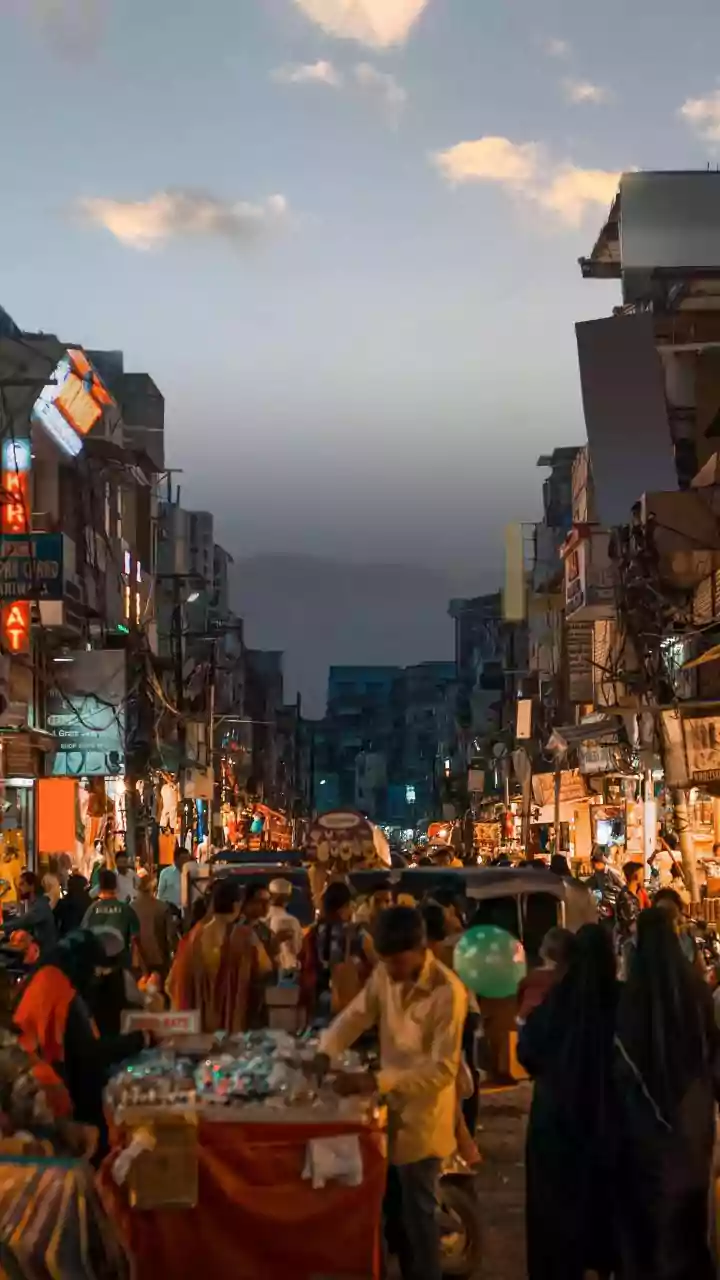
centres, but from Tier 2 and Tier 3 cities like Lucknow, Jaipur, Surat, Coimbatore, and Guwahati. According to industry reports, a significant portion of new demand, particularly for premium and affordable luxury products, is now originating from these non-metro areas. This expansion is unlocking a massive, previously underserved consumer base, with projections indicating that hundreds of millions of new beauty consumers in smaller cities are becoming accessible. This demographic shift is redefining the very landscape of the beauty business, forcing brands both new and old to look beyond the metros to find their next generation of customers.
The Digital Revolution in a Shopping Cart
The single biggest catalyst for this change has been the dual explosion of affordable internet and e-commerce. Platforms like Nykaa, Amazon, Myntra, and others have effectively become the new beauty counters for millions of Indians who previously had limited access to a wide variety of brands. E-commerce makes product discovery and purchasing seamless, bridging the gap that physical retail could not. Consumers in cities like Patiala or Kolhapur can now access the same Korean skincare, French pharmacy brands, or domestic direct-to-consumer (D2C) products as someone in Mumbai. This digital accessibility has turned beauty from a discretionary, occasion-based purchase into a daily habit for many, fundamentally altering consumption patterns across the country.
From Bollywood Stars to Regional Influencers
Alongside e-commerce, social media has democratised beauty inspiration. While celebrity endorsements still hold weight, the real trust is being built by a new generation of content creators and influencers, many of whom are based in Tier 2 and 3 cities themselves. These creators produce relatable content in regional languages, offering peer-like reviews and tutorials that resonate deeply with local audiences. They introduce their followers to new concepts like ingredient transparency, sustainable beauty, and complex skincare routines, educating a new cohort of savvy buyers. Studies show a high percentage of Indian beauty consumers trust influencer recommendations over traditional advertising, making these creators powerful drivers of both trends and sales. Their authenticity fosters a level of trust that legacy advertising struggles to match, directly shaping purchasing decisions.
The Rise of Agile D2C Brands
This new landscape has been a fertile ground for Direct-to-Consumer (D2C) brands. Unburdened by traditional distribution networks, digital-first companies like Mamaearth, Minimalist, and The Derma Co. have scaled rapidly by connecting directly with these emerging audiences online. Many have found success by addressing specific Indian concerns, such as hyperpigmentation or developing products suited to local climates, and communicating this through an ingredient-focused narrative. This targeted approach has allowed them to outmaneuver larger, established players. As these brands mature, many are adopting a hybrid model, using their online success to launch physical stores in high-potential non-metro markets, further solidifying their connection with customers.