


The Festive Season Price Pinch
Every year, as festivals approach, the demand for specific ingredients skyrockets. From the ghee needed for laddoos to the basmati rice for a celebratory biryani, pantry essentials suddenly become premium items. This year is no different, with recent
data showing a sharp rise in food inflation, hitting 7.74% in September 2026. Key items like onions, ginger, and garlic have seen dramatic price hikes. This consistent pressure on household budgets is forcing a change in habits. Families are now actively seeking ways to celebrate without financial strain, leading to a creative re-evaluation of what goes into their festive cooking. It’s not about cutting back on joy, but about cooking smarter.
Rethinking the Role of Ghee
Ghee is the heart of many festive sweets and dishes, but its rising cost makes generous usage a luxury. The smart alternative isn't to eliminate it, but to use it strategically. For deep-frying or general sautéing where its distinct nutty flavour isn't the star, households are turning to more affordable fats. Refined coconut oil, which has a neutral flavour and a high smoke point, is an excellent vegan substitute. Other neutral oils like sunflower or even vegetable oil blends also work well for everyday cooking tasks, allowing the precious ghee to be reserved for where it truly shines: flavouring dals, finishing dishes, and making special mithai. Some even use a mix of oil and ghee to get the best of both worlds—flavour and affordability.
Choosing Rice Beyond Basmati
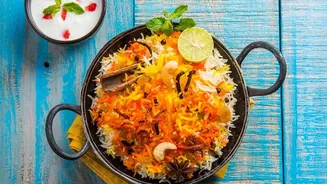
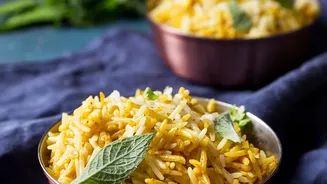
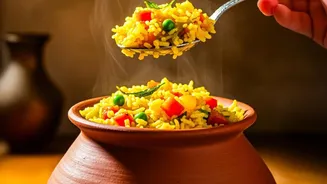
Long-grained, aromatic basmati rice is often the default choice for festive pulaos and biryanis. However, its premium price tag has led many to explore other regional Indian rice varieties. For everyday meals, short to medium-grain rice like Sona Masoori or Kolam are far more economical choices. These varieties are perfect for dishes like khichdi or to be served with dal and curries. Even for special preparations, many regional aromatic rice types offer a wonderful, and often more traditional, alternative to basmati without the high cost. This shift allows families to continue enjoying rice-based delicacies while better managing their grocery spending.
Swapping Expensive Nuts for Seeds and Peanuts
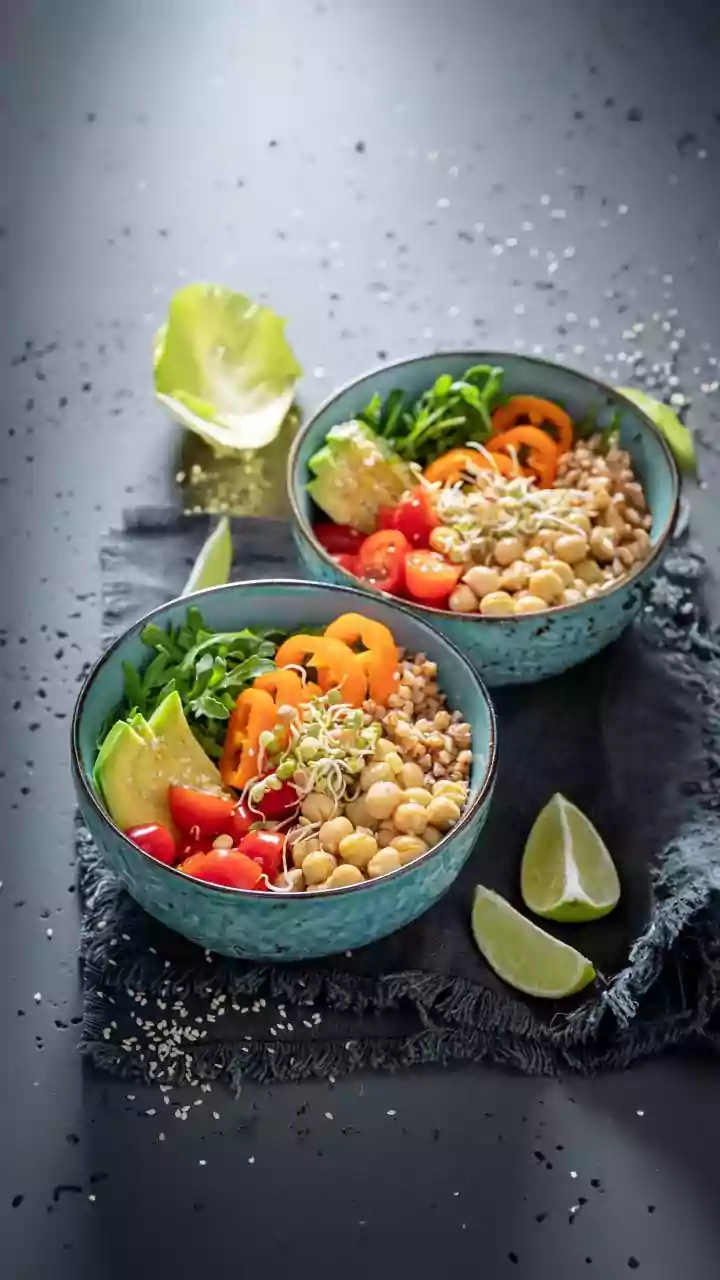
Festive sweets are often loaded with expensive nuts like almonds, cashews, and pistachios. To manage costs, many are now incorporating or substituting these with more affordable options. Peanuts, for instance, can be used to make delicious katli that rivals the taste of the more expensive kaju version. Seeds like pumpkin, sunflower, and sesame are also gaining popularity. They provide a satisfying crunch and are packed with nutrients. Toasted sesame seeds, a staple in winter sweets like chikki and revri, add a deep, nutty flavour. By using a mix of expensive nuts with more economical peanuts and seeds, households can create a variety of festive treats without the hefty price tag.
The Sweet Debate: Sugar vs. Jaggery
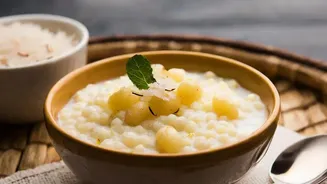
Refined sugar is a pantry staple, but with a growing focus on both health and tradition, many are switching to jaggery (gur). While jaggery is often perceived as a healthier alternative, its primary benefit lies in being less processed, thereby retaining small amounts of minerals like iron and potassium. In terms of calories and impact on blood sugar, it is very similar to sugar. However, from a cost perspective, jaggery can sometimes be a more economical choice, and its earthy, caramel-like flavour adds a traditional depth to sweets that many find more appealing. The choice to use jaggery is often a blend of managing costs, embracing traditional flavours, and opting for a less refined sweetener.