








The Core Problem: A System Under Siege
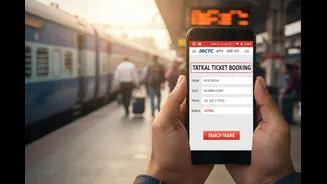
For years, booking a Tatkal ticket has felt like a lottery. At 10 AM for AC classes and 11 AM for non-AC, millions of users descend upon the IRCTC platform simultaneously, creating a digital stampede. The old system, capable of handling around 32,000
bookings per minute, would often buckle under the pressure. This resulted in frozen screens, payment failures, and the dreaded "service unavailable" error, leaving countless genuine travellers empty-handed while tickets vanished in seconds. The issue was compounded by a clunky interface, distracting pop-ups, and repetitive CAPTCHA codes that slowed down users when every moment was critical.
A Major Upgrade in Firepower
The centrepiece of the redesign is a massive boost in technical capacity. The new IRCTC platform has been rebuilt to handle a staggering 1.5 lakh (150,000) ticket bookings per minute, a nearly five-fold increase. Alongside this, the backend Passenger Reservation System (PRS) can now field over 40 lakh inquiries per minute, up from the previous 4 lakh. In simple terms, Indian Railways is betting that a much bigger digital pipeline will prevent the system from crashing during peak demand. This end-to-end overhaul aims to ensure that the platform remains stable and responsive, even during the most intense minutes of the Tatkal rush.
Smarter Features for Faster Booking
Beyond raw power, the redesign introduces several passenger-friendly features to streamline the booking process. A cleaner, less cluttered interface removes unnecessary pop-ups and flashing ads that interrupt the booking flow. One of the most welcome changes is a reduction in repetitive CAPTCHA verifications, a common complaint that cost users precious seconds. The new website also introduces a unified seat availability view, allowing users to see and compare available seats across all classes (Sleeper, AC 3-Tier, AC 2-Tier, etc.) on a single screen without toggling back and forth. For added convenience, a fare calendar lets you compare prices across different dates, and you can now select your preferred seat during booking.
Tackling Unfair Practices
A faster system is only part of the solution. To ensure fairness, the Railways have also introduced new rules targeting misuse. As of this month, Aadhaar-based OTP authentication is mandatory for all online Tatkal bookings made via the IRCTC website and app. This measure is designed to curb the use of bots and ensure that tickets reach genuine passengers. Furthermore, to level the playing field, authorised ticketing agents are now restricted from booking Tatkal tickets during the first 30 minutes of the booking window (10:00 to 10:30 AM for AC class and 11:00 to 11:30 AM for non-AC). This gives individual users a clearer, more exclusive window to secure their last-minute travel plans.
Will This Finally End the Tatkal Madness?
The combination of a vastly more powerful system and smarter, user-focused features represents the most significant attempt yet to solve the Tatkal problem. The increased capacity should drastically reduce crashes and slowdowns. Features like a single-screen availability view and fewer CAPTCHAs will shave off critical seconds from the booking process. However, the fundamental challenge remains: demand for Tatkal tickets often far exceeds supply on popular routes. While a faster platform doesn't create more seats, it does promise a fairer and less chaotic fight for the ones that are available. The real test will unfold in the coming days and during the next festival season as millions of travellers put the new system through its paces.