





ISRO: The Cost-Effective Space Power
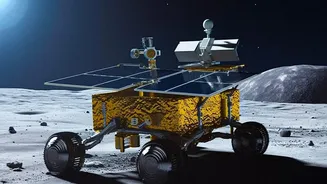
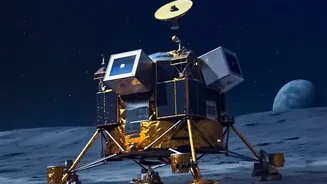
The Indian Space Research Organisation (ISRO) is no longer a newcomer on the world stage. After becoming the first nation to successfully land a spacecraft near the lunar south pole with its Chandrayaan-3 mission in 2023, ISRO cemented its reputation
for executing complex missions with remarkable cost-effectiveness. While NASA operates with a budget north of $25 billion, ISRO accomplishes world-class feats on a fraction of that amount, making it an incredibly attractive partner. Its track record, which also includes a successful Mars orbiter mission, demonstrates a mastery of engineering and a knack for frugal innovation that is highly valuable in the incredibly expensive endeavor of space exploration.
The Artemis Accords: A Global Ticket to the Moon
The formal foundation for this collaboration is the Artemis Accords. Spearheaded by the U.S., the Accords are a set of principles for peaceful and transparent cooperation in space. By signing in 2023, India joined a growing coalition of nations committed to a shared framework for exploring the Moon and beyond. This move was a strategic shift for India, moving from a primarily independent space program to one of global engagement. It provides ISRO with a seat at the table, ensuring its systems are compatible with global standards and opening the door for joint missions, data sharing, and technology collaboration with NASA and other leading space agencies.
Why a Moon Base is Really a Mars Rehearsal
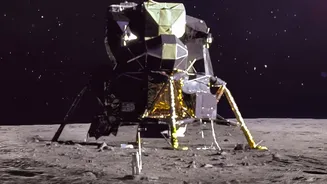
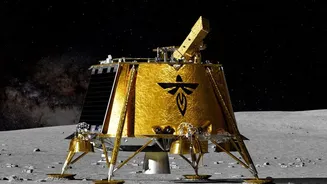
NASA's plan for an Artemis Base Camp near the Moon's south pole is about more than just lunar science. The Moon provides a crucial proving ground for the technologies and strategies needed for a human mission to Mars. Living and working on the Moon for extended periods will allow astronauts to test habitats, life support systems, rovers, and methods for extracting local resources like water ice—all essential for surviving a long-duration mission on the Red Planet. This is where the partnership comes alive. In recent meetings, NASA officially invited ISRO to participate in its Moon base program. International partners are critical to the Artemis strategy, helping to share the immense costs and technical challenges.
ISRO's Role: From Payloads to a Path to Mars
So, what could India's role look like? As a partner, ISRO could contribute in numerous ways, such as developing scientific instruments, advanced robotics, communication systems, or even components of the lunar habitat itself. This collaboration is a two-way street. For NASA, it means gaining a capable and efficient partner to accelerate its timeline. For ISRO, it offers a fast-track to deeper space capabilities. By contributing to the Artemis Base Camp, India gains invaluable experience and access to an infrastructure it couldn't build alone. This direct involvement would bolster its own ambitious goals, which include a lunar sample return mission, a joint mission with Japan, and landing an Indian astronaut on the Moon by 2040. This partnership effectively turns NASA's lunar architecture into a launchpad for ISRO's own deep-space aspirations, making a future Indian mission to Mars a more tangible reality.