


Why a Slow Transition Is Crucial
Switching your pet's food abruptly is a common mistake that can shock their digestive system. A pet's gut contains a delicate balance of bacteria that helps them digest their food. A sudden change in protein, fat, or fibre content can disrupt this microbiome,
leading to unpleasant symptoms like vomiting, diarrhoea, gas, and loss of appetite. A gradual transition over a period of 7 to 14 days gives the digestive system time to adapt to the new ingredients, ensuring a smoother and more comfortable experience for your furry companion. This principle applies whether you are switching brands, moving from puppy to adult food, or introducing a specialized diet for health reasons.
The 7-10 Day Transition Plan
Patience is your best friend during this process. The most widely recommended method is a gradual mix of old and new food. While some pets with sensitive stomachs may need up to two weeks or even a month, a 7-to-10-day schedule works for most. Here’s a simple, effective ratio to follow: • Days 1-3: Serve a mix of 75% old food and 25% new food. This introduces the new flavours and ingredients without overwhelming their system. • Days 4-6: Adjust the ratio to a 50/50 mix of old and new food. At this stage, your pet should be getting more accustomed to the new diet. • Days 7-9: Shift the balance to 25% old food and 75% new food. This is the final step before making a complete switch. • Day 10: If all is well, you can now serve 100% of the new food. Throughout this period, maintain your pet's regular feeding routine, including the time and place of meals, to provide a sense of consistency.
Choosing the Right 'Gourmet' Diet
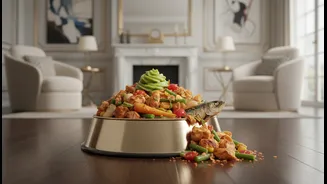
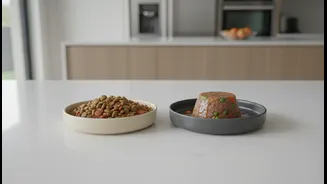
The term 'gourmet' can mean many things, from premium kibble with high-quality proteins to fresh, cooked, or raw diets. When choosing a new food, it's essential to look beyond marketing. Check the label for a nutritional adequacy statement from a recognized body, which confirms the food is 'complete and balanced' for your pet's life stage (e.g., puppy, adult, senior). High-quality foods often list a specific meat, like chicken or lamb, as the first ingredient rather than vague terms like “animal product”. Consider your pet’s specific needs, such as their age, activity level, and any health conditions like allergies or weight management issues. Every pet is different, and what works for one may not work for another.
Monitoring Your Pet for a Successful Switch
Pay close attention to your pet during the transition. Positive signs include good energy levels, a shiny coat, and well-formed stools. However, you must also watch for signs of trouble. Mild digestive upset can occur, but if symptoms like persistent diarrhoea, vomiting, excessive gas, or loss of appetite continue, it’s a sign to slow down the transition. If the issues persist, you may need to pause the switch entirely and consult your vet. It's also important to distinguish between food intolerance, which primarily causes digestive upset, and a true food allergy, which often involves skin issues like itching and recurring ear infections.
Common Mistakes to Avoid
Beyond switching too quickly, pet owners can make other errors. One is changing diets too frequently, which can confuse a pet's digestive system and lead to pickiness. Another is not adjusting portion sizes; different foods have different calorie densities, so you must follow the new food's feeding guidelines to avoid over or underfeeding. Also, avoid introducing other new things at the same time, such as a new bowl or feeding location, as this can add stress. Finally, be patient. The full benefits of a new, higher-quality diet, like a healthier coat or more energy, can take several weeks to become apparent.