





The Gain: Significant Cost Savings
The most compelling reason to travel during the monsoon is the significant reduction in costs. With tourist footfall naturally lower between June and September, airlines and hotels drastically cut their prices to attract visitors. It is not uncommon to find
hotel tariffs slashed by 20% to 50%, even at luxury and heritage properties that are prohibitively expensive during the peak winter season. This price drop makes premium experiences more accessible, allowing budget-conscious travellers to enjoy five-star amenities or unique palace stays for a fraction of the usual cost. Tour operators also roll out competitive packages, and many hotel chains launch specific monsoon offers that bundle accommodation with meals and other perks, providing exceptional value.
The Gain: Fewer Crowds and More Serenity
Imagine experiencing the Taj Mahal without jostling for a photo, or exploring the forts of Rajasthan in quiet contemplation. Monsoon travel makes this possible. The lower number of tourists transforms popular destinations, offering a more intimate and authentic experience. Cafes are calmer, local markets are more relaxed, and you can linger at monuments without feeling rushed. This peaceful atmosphere allows for a deeper connection with the destination and its culture. For those seeking a tranquil escape from city life, the off-season provides a rare opportunity to enjoy India’s most iconic sites in relative solitude.
The Gain: Nature in Its Full Glory
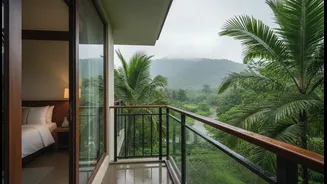
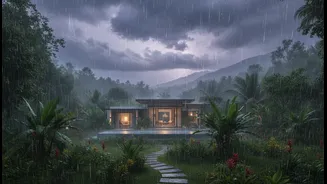
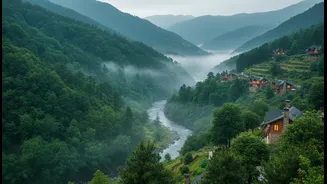
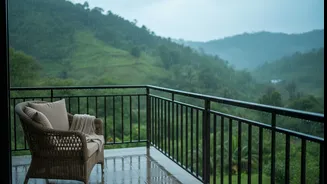
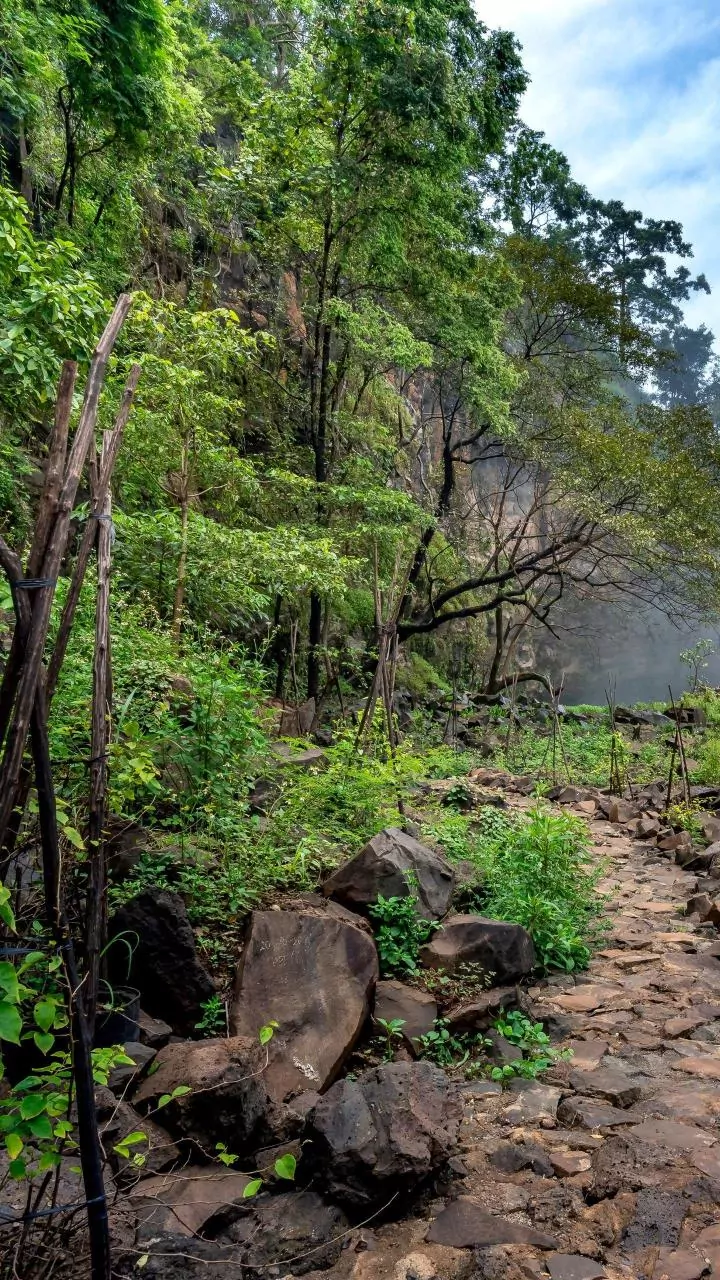
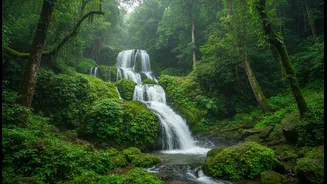
The monsoon revitalises the Indian landscape, turning it into a vibrant spectacle of lush greenery and cascading water. Hill stations in the Western Ghats, like Munnar and Coorg, become misty, emerald havens. Waterfalls that are mere trickles in the summer roar to life, creating dramatic vistas. The countryside, washed clean by the rains, is a photographer's dream. Even arid regions like Rajasthan gain a unique charm. This is the time when nature is at its most powerful and beautiful, offering a sensory experience that the dry season cannot match. For nature lovers, it is unequivocally the best time to witness the land come alive.
The Check: Accessibility and Weather Disruptions
While the romance of the rains is appealing, the reality can involve logistical challenges. The first and most critical check is accessibility. Heavy downpours can cause landslides in hilly regions and flash floods in low-lying areas, leading to road closures and significant travel delays. Train schedules and flights can also be disrupted. Before booking a remote resort, verify the current road conditions and have a backup plan. Furthermore, many outdoor attractions, including national parks and wildlife sanctuaries, are often closed during the monsoon for safety reasons. Always confirm that the activities you are planning are operational.
The Check: Hotel Readiness and Amenities
A cheap hotel deal is worthless if the room is damp and the power is out. It is crucial to vet your chosen accommodation for monsoon readiness. Check recent reviews for any mention of leaks, mould, or musty smells. Power cuts can be frequent, so confirm that the hotel has a reliable generator or power backup. It is also wise to inquire if all their amenities are functional. The beautiful outdoor pool might be closed, and beachside shacks in destinations like Goa are often dismantled during the rainy season. Look for hotels that adapt by promoting indoor experiences, such as spa treatments, wellness packages, or special culinary events.
The Check: Health, Safety, and Packing
The monsoon's humidity creates a breeding ground for mosquitoes, increasing the risk of vector-borne diseases like dengue and malaria. Pack a reliable insect repellent and consider long-sleeved clothing for evenings. Antifungal powders and a basic first-aid kit with medication for common ailments are also essential. When it comes to clothing, prioritise quick-dry synthetic fabrics over cotton, which stays wet for hours. Pack waterproof footwear with a good grip, a sturdy umbrella, and a rain cover for your backpack to protect electronics and documents. Lastly, be cautious about drinking water from unverified sources to avoid water-borne illnesses.