




The New Digital Food Guides
Not long ago, discovering the best local chaat or the most authentic vada pav relied on word-of-mouth or generational knowledge. Today, India’s tastemakers are digital. A new generation of food creators, armed with smartphones and an appetite for authenticity,
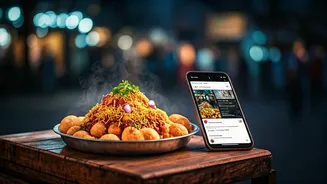
has taken over platforms like Instagram and YouTube. Figures like Amar Sirohi, known as 'Foodie Incarnate', and Gaurav Wasan have become modern-day food guides, documenting India's diverse street food culture with infectious energy. They are part of a booming creator economy that is not just showcasing food, but also culture and local products to a global audience. Their unscripted, often unpolished videos feel more trustworthy than traditional advertising, creating a direct and personal connection with millions of viewers.
From Hidden Gem to Viral Sensation
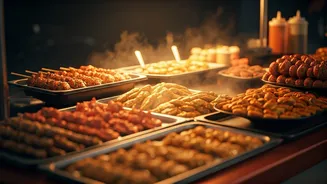
For many street food vendors, who operate as small-scale businesses with minimal capital, traditional advertising is out of reach. Social media has levelled the playing field. A single viral video from a popular food vlogger can transform a little-known stall into an overnight sensation, with queues snaking around the block. This 'inadvertent advertising' provides unprecedented visibility. Through geo-tagging and hashtags, creators can put a vendor on the digital map, attracting new customers from across the city and beyond. This dynamic has turned many humble food stalls into must-visit destinations, fundamentally changing the vendor's fortunes and providing a powerful, cost-effective marketing tool.
More Than Just a Meal
The most successful content goes beyond just making food look good; it tells a story. Creators are highlighting the person behind the food, the history of a dish, and its cultural relevance. They introduce audiences to lesser-known regional and even tribal recipes that rarely make it to mainstream media, helping to preserve and popularise India's vast culinary heritage. Viewers are drawn to the authenticity of a grandmother preparing a traditional biryani or a vendor who has perfected one dish over 16 years. By doing so, these creators are not just influencing what people eat, but also fostering a deeper appreciation for the diversity and stories woven into India's food tapestry.
The Flip Side of Fame
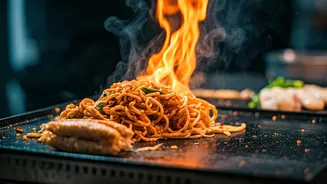
However, this new era is not without its challenges. The pressure to be 'Instagram-worthy' can sometimes lead to sensationalism, with vendors adding excessive cheese or butter to attract cameras. Restaurants and food businesses are increasingly designing dishes specifically to look good in a photo, which may not always translate to the best flavour. Furthermore, the sudden fame can be a double-edged sword for vendors, who may struggle to cope with the influx of customers, leading to long waits and potential drops in quality. There's also the question of sustainability in an ecosystem that is still figuring itself out, with some creators noting a lack of clear structure around collaborations and pricing.