


The Modern Indian Diet Dilemma
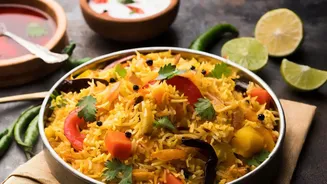
Urbanisation and busier lifestyles have led to a significant change in Indian kitchens. The reliance on home-cooked meals prepared from scratch with whole grains, lentils (dals), and fresh vegetables is decreasing. In its place, we see a growing dependence
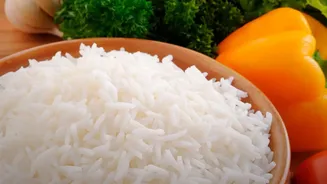
on refined grains like white rice and maida, along with packaged snacks and ready-to-eat meals. While convenient, these foods are often stripped of their natural dietary fibre, creating a major nutritional gap. Studies show that a large percentage of the urban Indian population is not meeting the recommended daily fibre intake, a shortfall that has significant health implications.
What is Fibre and Why Does It Matter?
Think of dietary fibre as the indigestible part of plant foods. It comes in two forms, and your body needs both. Soluble fibre, found in foods like oats, apples, and beans, dissolves in water to form a gel-like substance. This gel helps lower bad cholesterol and slows sugar absorption, which is key for managing blood sugar levels. Insoluble fibre, found in whole grains and vegetables, doesn't dissolve. It acts like a scrub brush for your digestive system, adding bulk to stool and promoting regular bowel movements, preventing constipation.
The Health Cost of the Fibre Gap
The consequences of a low-fibre diet are becoming increasingly visible across India. This dietary shortfall is strongly linked to the rising prevalence of lifestyle diseases. Without enough fibre to regulate sugar absorption, the risk of type 2 diabetes increases. In fact, experts now see low fibre intake as a critical, often overlooked, risk factor for heart disease, fatty liver disease, and metabolic syndrome in the Indian population. On a daily basis, a lack of fibre can lead to uncomfortable issues like constipation, bloating, and gas, impacting overall gut health and well-being.
Are You Getting Enough?
According to bodies like the Indian Council of Medical Research (ICMR), most adults need about 25 to 40 grams of fibre per day. However, many urban Indians consume closer to just 15 grams daily. This 'fibre gap' means our bodies, particularly our gut microbes, are being starved of the fuel they need to function optimally. A healthy gut microbiome, fed by fibre, is essential not just for digestion but also for immunity and long-term metabolic health.
Simple Swaps for a Fibre-Rich Diet
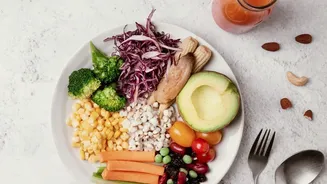
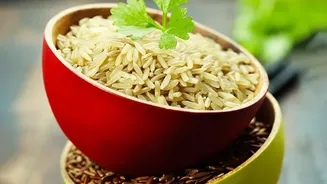
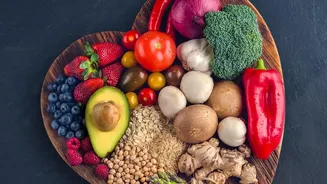
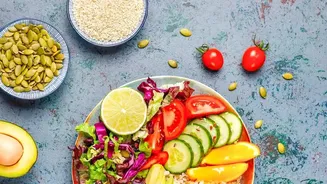
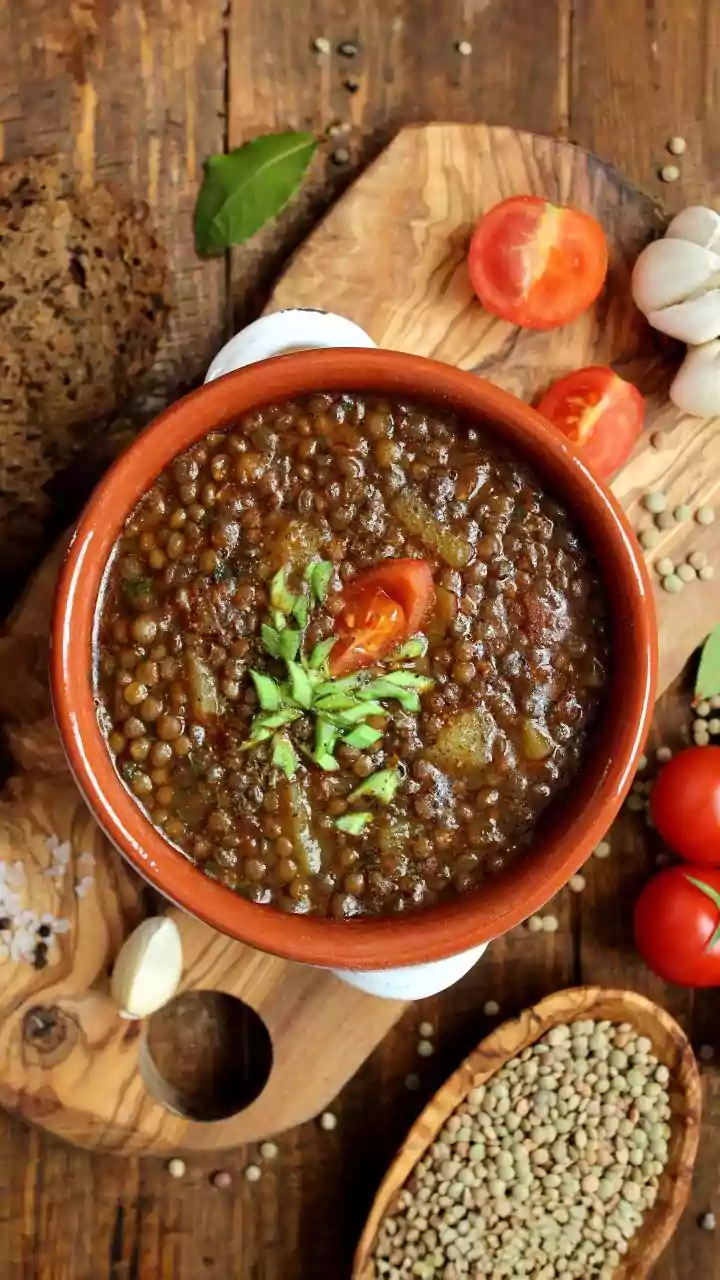
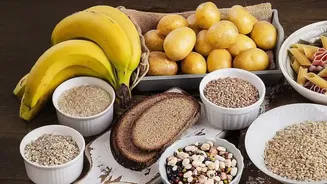
Bridging the fibre gap doesn't require a drastic diet overhaul. It's about making small, intelligent swaps. Start by replacing polished white rice with brown rice or traditional millets like jowar, bajra, and ragi. Choose whole wheat atta for your rotis and consider mixing in other high-fibre flours. Ensure at least half your plate is filled with vegetables, and snack on fruits with their skin on, like guavas and apples, instead of juices. Make legumes like rajma, chana, and whole dals a regular feature in your meals, not just an occasional treat. Snacking on a handful of roasted chana instead of biscuits can add a quick 5-6 grams of fibre.