







What Exactly Is Passive Heat Therapy?
Passive heat therapy, or thermotherapy, is the simple act of raising your core body temperature using an external source, rather than through exercise. Instead of generating heat actively by running or lifting weights, you are passively receiving it.
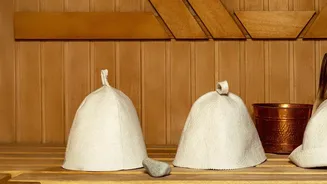
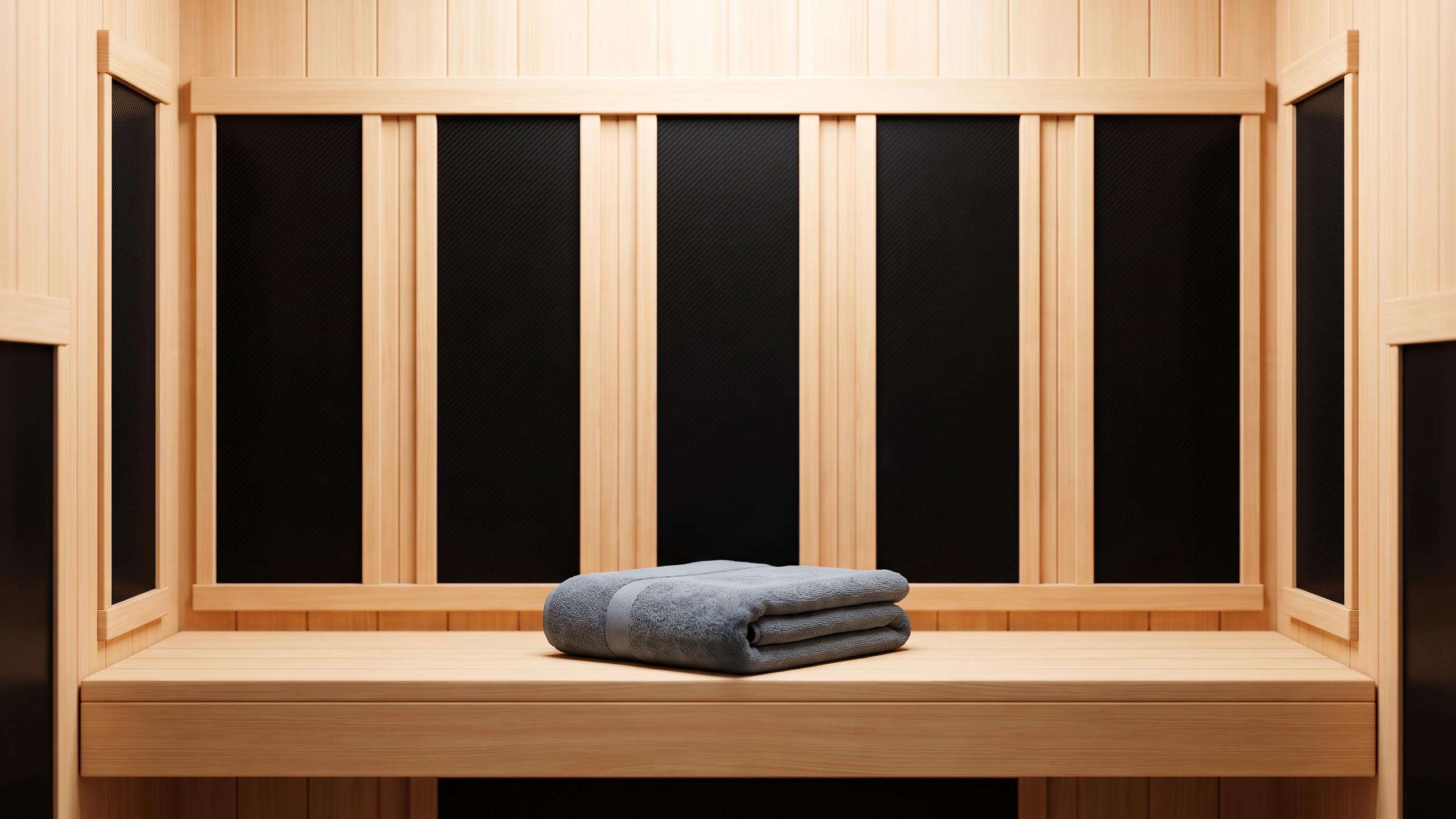
The most common and accessible methods include soaking in a hot bath or sitting in a traditional Finnish sauna, infrared sauna, or steam room. The goal is to induce a state of mild, controlled heat stress that triggers a cascade of positive physiological responses. Unlike the high-intensity stress of a tough workout, this approach is designed to shift your body into a state of recovery and repair, making it a powerful complement to an active lifestyle.
The Science of Soaking and Sweating
When you immerse yourself in heat, your body immediately works to cool itself down. This triggers a process called vasodilation, where your blood vessels widen to increase blood flow to the skin. This enhanced circulation is key; it delivers more oxygen and vital nutrients to your tissues while helping to flush out metabolic waste products that accumulate during exercise and periods of stress. At a cellular level, heat exposure also activates the production of special molecules called heat shock proteins (HSPs). These act like a repair crew inside your cells, helping to refold damaged proteins and protect against cellular stress, which is crucial for muscle regeneration and overall resilience.
Accelerating Post-Workout Recovery
For anyone who exercises, the feeling of delayed onset muscle soreness (DOMS) is all too familiar. This is where passive heat truly shines. By boosting circulation, heat therapy can significantly reduce the stiffness and soreness that typically appears 24 to 48 hours after a tough session. The increased blood flow helps clear out the metabolic byproducts associated with muscle damage and delivers the resources needed for faster repair. Studies have shown that regular post-exercise sauna use or hot baths can lead to measurable improvements in muscle recovery and reduced soreness. It also helps improve tissue elasticity, which can ease joint stiffness and enhance flexibility.
A Warm Hug for a Stressed Brain
The benefits of heat are not just physical. Modern life often keeps our nervous system in a state of high alert, driven by the stress hormone cortisol. Passive heating provides a biological reset. The warmth encourages your body to shift from the sympathetic 'fight-or-flight' state to the parasympathetic 'rest-and-digest' state. This transition is more than just a feeling of relaxation; it's a measurable physiological change. Heat exposure can stimulate the release of endorphins, the body's natural mood-elevating chemicals, which actively counteract the effects of stress. Research has shown that consistent heat therapy can lead to lower baseline cortisol levels, improved sleep quality, and reduced feelings of anxiety.
How to Incorporate Heat Therapy
Getting started with passive heat therapy is simple. For a therapeutic bath, aim for water that is warm but comfortable—around 33°C to 38°C—and soak for 15 to 20 minutes. Adding two cups of Epsom salts can further help with muscle relaxation. For saunas, a 15 to 20-minute session is a great starting point. The key is consistency. While one session feels good, the cumulative benefits for both stress management and recovery build over time with a regular routine of two to three sessions per week. Always remember to hydrate well before and after any form of heat therapy and listen to your body, never pushing past what feels comfortable.