


The New Age of Travel Hacking
Forget scrolling endlessly through corporate booking websites with sponsored listings and inflated prices. The latest travel hack isn’t an algorithm; it’s a community. Across India, a grassroots movement led by solo travellers and budget backpackers is taking
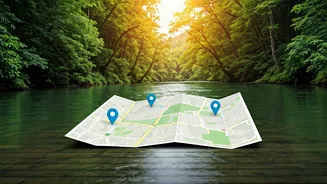
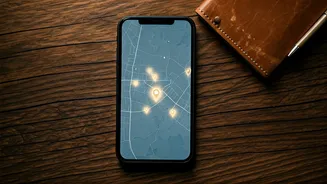
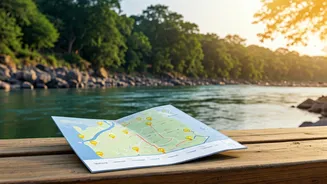
shape. They are meticulously creating, curating, and sharing interactive digital maps—often built on platforms like Google My Maps—that pinpoint affordable and often unheard-of riverside guesthouses, homestays, and hostels. These aren't just sterile databases. They are living documents, enriched with personal notes, contact numbers, price estimates, and honest reviews from fellow travellers. This peer-to-peer approach cuts through the commercial noise, offering a direct line to authentic experiences recommended by people who have actually been there.
The Allure of the Riverside Retreat
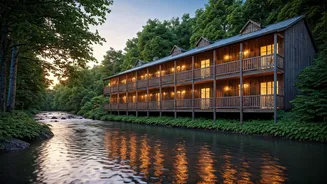
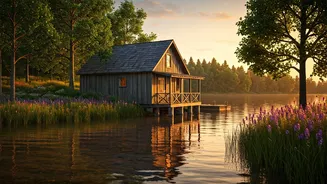
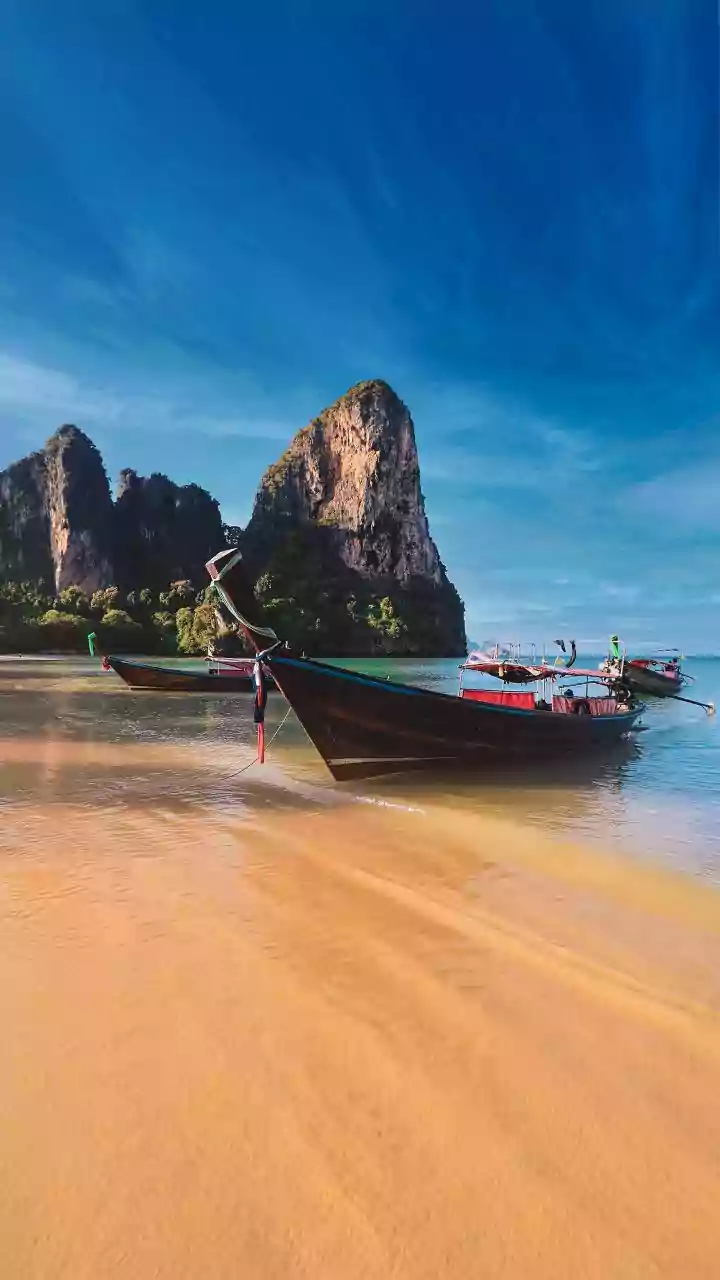
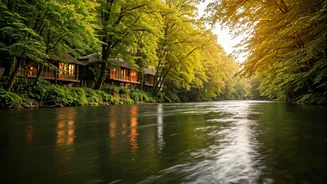
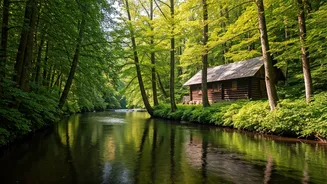
Why the focus on riverside stays? The appeal is multi-layered. For many, it’s a direct response to the hustle of urban life. The calming presence of a river offers a natural soundtrack for relaxation and mindfulness. Locations like Rishikesh, Hampi, Kasol, and Manali have long been hubs for this kind of travel, but these new maps are expanding the horizon to lesser-known spots along the banks of the Teesta in Sikkim or the backwaters of Kerala. Financially, these properties are often significantly cheaper than their city-centre counterparts. They are typically family-run guesthouses or simple homestays that don't have the marketing budget to appear on major travel portals. By staying there, travellers not only save money but also contribute directly to local economies, fostering a more sustainable and equitable form of tourism.
Where to Find These Digital Treasures
These maps are decentralized by nature, so finding them requires a bit of digital sleuthing. Start your search in online communities where backpackers congregate. Facebook Groups dedicated to “Backpacking India” or specific regional travel (e.g., “Himalayan Travel”) are goldmines. Use search terms like “budget map,” “riverside stays,” or “community map” within these groups. Similarly, Reddit communities like r/IndiaTravel and r/solotravel often have threads where users share links to their custom Google Maps. Don't underestimate the power of travel blogs. Many seasoned backpackers embed these maps directly into their blog posts about specific regions. A Google search for “Parvati Valley budget stays map” or “Hampi riverside homestays blog” can yield excellent results. The key is to look where travellers, not companies, share information.
More Than Just Pins on a Map
What makes these community-curated maps so powerful is the layer of context that comes with them. A pin might not just mark a guesthouse; it might include a comment like, “Ask for Raju, he gives the best local trekking tips,” or “Wi-Fi is weak in rooms 3 and 4, but the river view is worth it.” You’ll find details on the best local dhaba nearby, the number for a reliable auto-rickshaw driver, or warnings about a place being temporarily closed. This qualitative data is something commercial platforms cannot replicate. It transforms a simple map into a shared travel diary, a repository of collective wisdom that helps you navigate a new place with the confidence of a local. It’s a network of trust built one recommendation at a time.
How to Use These Maps Smartly
While these maps are incredibly useful, it’s wise to approach them with a savvy traveller’s mindset. First, always cross-verify information. A price or a phone number might be outdated. Use the contact information provided to call ahead and confirm details before you arrive. Second, check the dates of the latest updates or comments. A glowing review from five years ago may not reflect the current reality. Third, be flexible. A recommended homestay might be full, but the map can still guide you to a cluster of other potential options in the same area. Finally, and most importantly, contribute back. If you discover a new gem or find that some information is incorrect, leave a comment or contact the map’s creator. This is how these valuable resources thrive and remain relevant for the next wave of travellers.