



The Tyranny of 'Clean Eating'
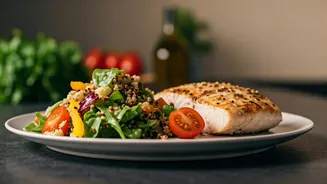
Somewhere along the way, healthy eating got a reputation for being joyless. The quinoa bowl, often under-seasoned and piled with steamed-to-death vegetables, became its unfortunate poster child. This idea of 'clean eating' suggests that for food to be good
for you, it must be stripped of everything that makes it delicious: namely, flavour. The problem with this approach is that it’s simply not sustainable. When healthy meals are bland and unsatisfying, we're more likely to abandon our efforts entirely. True wellness isn’t about forcing yourself to eat food you dislike; it’s about finding nutritious foods that you genuinely love to eat.
Flavour Is Not the Enemy
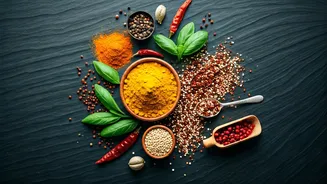
The belief that flavourful food is inherently unhealthy is a myth that needs busting. Our obsession with avoiding fats and salts has led us to forget the most powerful tool in our culinary arsenal: spices. An Indian kitchen is a testament to the fact that health and taste can coexist beautifully. Spices like turmeric, cumin, coriander, and cinnamon are not just flavour agents; they are packed with health benefits. Turmeric is known for its anti-inflammatory properties, cumin aids digestion, and cinnamon can help manage blood sugar levels. A simple ‘tadka’—spices tempered in hot ghee or oil—can transform a simple lentil dish or vegetable stir-fry from boring to brilliant, adding immense flavour with minimal calories.
Embrace India’s Ancient Grains
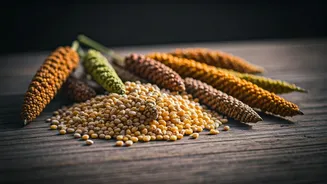
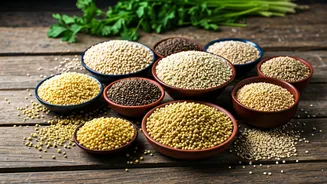
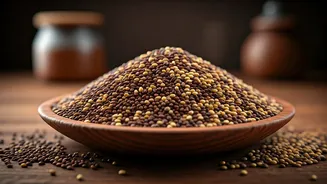
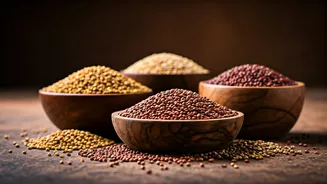
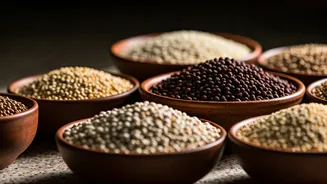
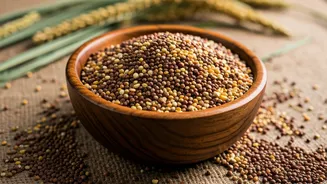
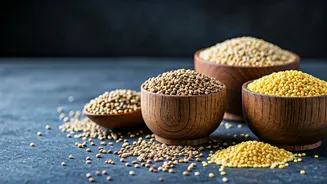
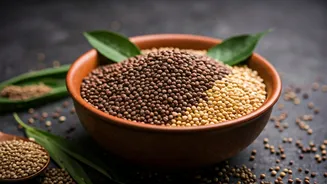
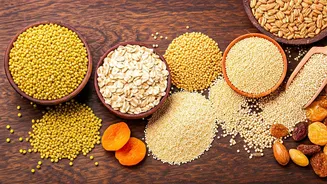
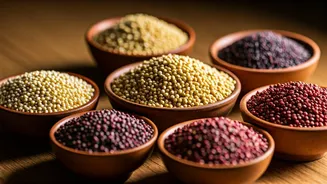
While quinoa had its moment, India has a treasure trove of indigenous millets that are just as nutritious and far more versatile. Grains like jowar (sorghum), bajra (pearl millet), and ragi (finger millet) are naturally gluten-free, high in fibre, and packed with essential minerals. Instead of a plain quinoa base, consider a fluffy bajra khichdi, seasoned with ginger and turmeric. Or try making upma with foxtail millet, loaded with vegetables and tempered with mustard seeds and curry leaves. These grains have a wonderful, nutty flavour and provide a satisfying, hearty base for any meal, proving you don't need to look to South America for a healthy grain.
Reimagine the Salad
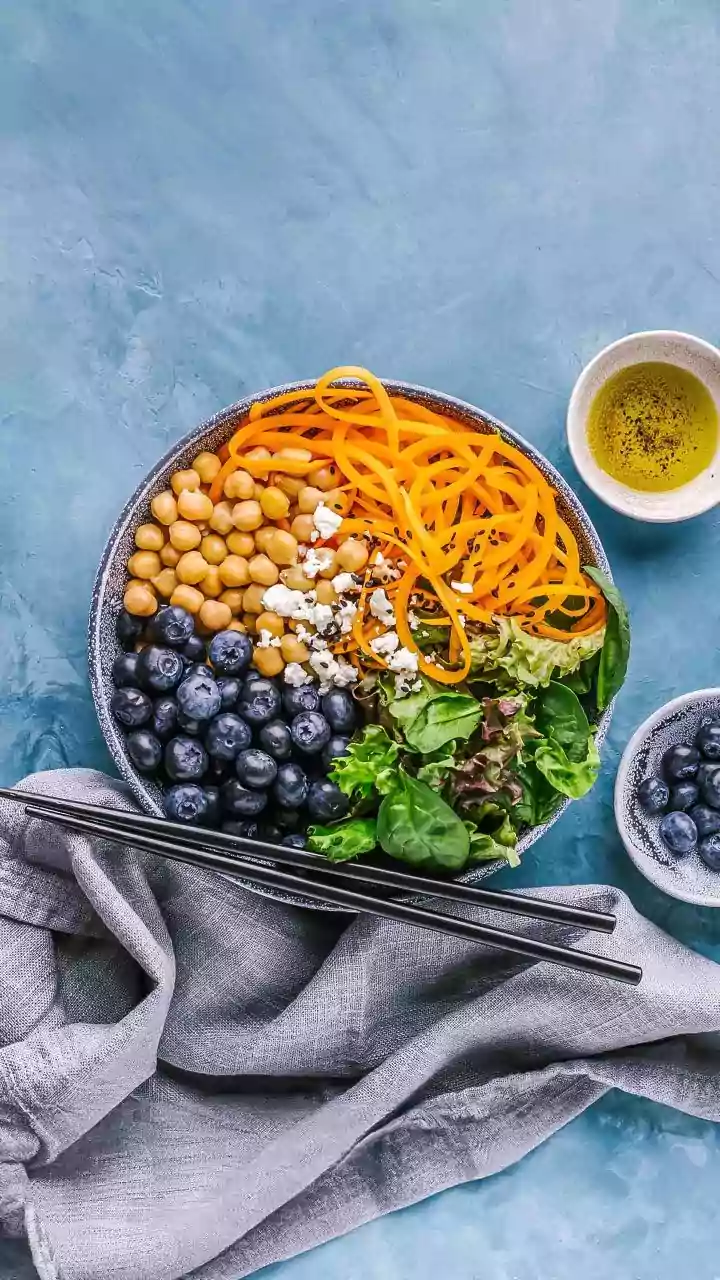
The word 'salad' doesn't have to mean limp lettuce and a few sad cucumber slices. Take inspiration from Indian street food and create vibrant, chaat-style salads. A base of boiled chickpeas or sprouted moong dal can be transformed with a mix of finely chopped onions, tomatoes, and coriander. The magic is in the dressing: a combination of tamarind chutney for tang, mint-coriander chutney for freshness, and a sprinkle of chaat masala for that unmistakable savoury kick. You get a dish that's high in protein and fibre, bursting with complex flavours, and far more exciting than any oil-and-vinegar dressing could ever hope to be.
Make Friends with Lentils and Pulses
Lentils and pulses are the backbone of Indian vegetarian cooking for a reason: they are inexpensive, protein-rich, and incredibly versatile. A simple dal is one of the most comforting and nourishing meals you can make. From a light and tangy masoor dal to a rich and creamy dal makhani, the possibilities are endless. These dishes are designed to be eaten with rice or roti, creating a complete protein and a balanced meal. They are proof that a healthy, everyday diet has always been a part of Indian food culture; we just need to look in our own pantries.