








Why Planning Is Your Superpower
Let’s be honest: the daily question of “What’s for dinner?” can be exhausting. This decision fatigue often leads to expensive last-minute takeaways or impulse buys at the grocery store. But the impact is bigger than just your stress levels. A UN report
estimated that in 2019, Indian households wasted an astonishing 50 kg of food per person. That's not just food in the bin; it's money. By creating a weekly meal plan, you shift from a reactive to a proactive mindset. You know exactly what you need, what you'll use, and what you’ll spend. This clarity is the first step towards a healthier wallet and a more sustainable home.
Step 1: Shop Your Own Kitchen First
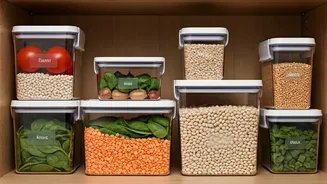
Before you even think about a new recipe or a trip to the store, take a thorough inventory. What’s hiding in the back of your pantry? Which vegetables in the fridge are on their last legs? What’s in the freezer? Make a list. This “pantry-first” approach is the cornerstone of reducing waste. That half-used bottle of pasta sauce, the forgotten can of chickpeas, and the slightly wilting spinach are not problems; they are the starting point for your menu. Challenge yourself to build the first few meals of the week around ingredients you already own. This simple habit immediately cuts down your shopping list and prevents good food from ending up in the trash.
Step 2: Build a Flexible Weekly Menu
A meal plan doesn't have to be a rigid, unchangeable document. The best plans have room for life to happen. Start by blocking out your week. Do you have a late work night on Wednesday? That’s a perfect night for leftovers or a quick khichdi. Are you free on Sunday? Maybe that’s when you can try a more complex dish. A great trick is to use theme nights to simplify decisions. Think “Dal & Rice Tuesday,” “Pasta Thursday,” or “Leftover Remix Friday.” This gives you structure without being overly restrictive. Aim to plan for 4-5 main dinners, leaving a couple of nights free for spontaneous plans or creatively using up leftovers.
Step 3: Master the Art of the Shopping List
Once you have your flexible menu and your pantry inventory, it's time to create your shopping list. This is where the savings really kick in. Your list is the crucial bridge between your plan and your purchases. Be specific. Instead of just “vegetables,” write down “2 carrots, 1 bunch of palak, 500g tomatoes.” This prevents you from overbuying. Organise your list by category—fresh produce, dairy, grains, proteins—to match the layout of your local store or sabzi mandi. This saves you time and prevents you from wandering into the snack aisle. And the most important rule: stick to the list. A well-made list is your shield against impulse buys and marketing tricks designed to make you spend more.
Step 4: Make Sunday Your Prep Day
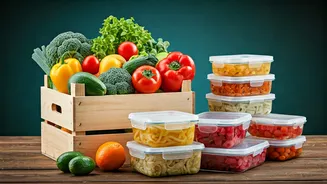
The biggest reason meal plans fail is the lack of time and energy on busy weekdays. The solution? A 'prep day'. Set aside one or two hours on a Sunday to make your week ahead incredibly easy. This doesn't mean you have to cook seven full meals. It can be as simple as: chopping onions, garlic, and ginger; washing and cutting vegetables for salads or stir-fries; boiling dal or chickpeas; or cooking a big batch of rice. Having these components ready to go transforms weekday cooking from a chore into a simple assembly job. A little preparation on the weekend buys you hours of free time and peace of mind during the week.
Step 5: Learn to Love Leftovers
In a planned kitchen, leftovers are not a sign of failure; they are a bonus meal. Reframe how you see them. That extra serving of sabzi from last night isn't just for reheating. It can be stuffed into a paratha for a delicious breakfast, rolled into a wrap for lunch, or mixed with rice for a quick pulao. Leftover dal can be thinned out to become a hearty soup or used as a base for sambar. By thinking of leftovers as ingredients for a new dish, you ensure absolutely nothing goes to waste, stretching your food budget even further and saving you from cooking another meal from scratch.