




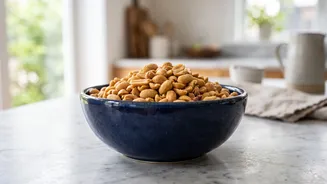

What Did the New Study Find?
Recent research from Maastricht University in the Netherlands has added an interesting piece to the puzzle of diet and brain health. A study published in late 2025 and early 2026 found that daily consumption of unsalted, skin-roasted peanuts may improve
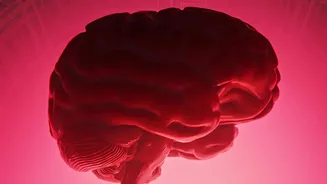
aspects of memory and brain function in healthy older adults. Specifically, the research observed two key outcomes: an improvement in brain vascular function and a boost in verbal memory. Researchers noted that after a 16-week period of eating peanuts, participants showed increased blood flow to parts of the brain that are critical for memory and other cognitive tasks.
The Science of How It Works
The benefits don't come from just anywhere; researchers believe they are linked to the unique nutritional makeup of peanuts, especially when the skin is left on. Peanut skins are rich in bioactive compounds called polyphenols, including resveratrol. These compounds are known for their antioxidant and anti-inflammatory properties. The study also highlighted the role of L-arginine, an amino acid abundant in peanuts, which helps the body produce nitric oxide. Nitric oxide is crucial for relaxing blood vessels, which in turn improves blood flow. Better blood flow means more oxygen and nutrients can reach the brain, supporting its overall health and function. A follow-up analysis also suggested that peanut consumption improved how memory-related brain regions respond to insulin, a hormone vital for nerve cell communication and survival.
How the Research Was Conducted
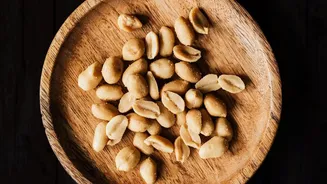
The Maastricht University study was a well-designed clinical trial involving 31 healthy men and women with an average age of 67. It was a randomized, controlled crossover trial, which is a rigorous way to test an intervention. Participants were assigned to consume 60 grams (about two handfuls) of unsalted, skin-roasted peanuts daily for 16 weeks. They also had a control period of 16 weeks where they did not eat peanuts. An eight-week 'washout' period separated the two phases. To measure the effects, researchers used advanced brain imaging techniques (MRI) to assess cerebral blood flow and a battery of standardized cognitive tests to evaluate memory and other brain functions.
The Key Findings on Memory and Blood Flow
The results were quite specific. After the 16-week peanut intervention, participants saw a 3.6% increase in global cerebral blood flow and a 5.8% improvement in verbal memory performance. The increased blood flow was particularly notable in the frontal and temporal lobes, areas of the brain heavily involved in processing information and memory. In addition to the brain benefits, participants also experienced a modest decrease in systolic blood pressure. However, it's important to note that the cognitive improvements were specific to verbal memory; the study did not find significant changes in other areas like executive function or processing speed.
Limitations and What This Means for You
While these findings are promising, they should be viewed in context. The study was relatively small, with only 31 participants, and conducted over a short period. It suggests a link between peanut consumption and improved brain metrics, but it does not prove that eating peanuts can prevent cognitive decline or dementia. It’s also worth noting that a separate, earlier study from the University of Barcelona focused on younger adults (ages 18-33) and found similar benefits for cognitive function and stress reduction from peanuts and peanut butter. The takeaway is not that peanuts are a magic pill for your brain. Rather, this research reinforces the broader dietary advice that a diet rich in plant-based foods, including nuts and legumes like peanuts, supports long-term health. The specific focus on skin-roasted peanuts highlights that how our food is processed can impact its nutritional benefits.