
From Kitchen Scrap to Culinary Gem
The idea of using every part of a vegetable is not new; it's a cornerstone of traditional Indian cooking that is seeing a modern resurgence. This 'root-to-stem' philosophy is both sustainable and surprisingly nutritious. Vegetable peels are often packed
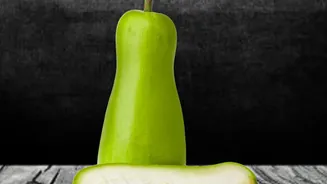
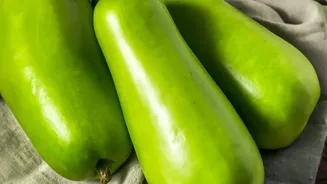
with dietary fibre and other nutrients that we discard out of habit. The peel of a bottle gourd, or lauki, is no exception. It's a good source of fibre, vitamins, and antioxidants that can support digestion and overall health. By transforming these peels into kebabs, you are not just making a snack; you are embracing a smarter, more resourceful way of cooking that honours your ingredients and minimizes waste.
The Art of Prepping the Peels
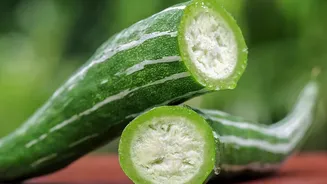
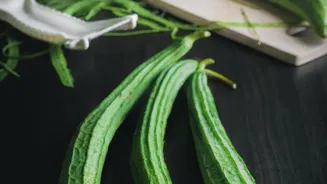
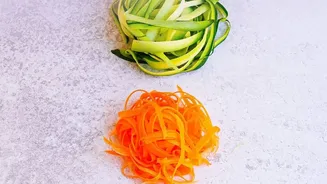
The success of this dish hinges on one crucial step: preparing the peels. First, ensure you are using peels from a fresh, tender bottle gourd. Wash the lauki thoroughly before you peel it. Some experts suggest a quick soak in a baking soda solution to help clean the surface. The headline mentions 'finely chopping', and this is key to a great texture. Thick, chunky peels will result in a tough, chewy kebab. The goal is to break them down so they soften beautifully when cooked. You can achieve this in a few ways. The most direct method is to use a sharp chef's knife. Stack the peels, slice them into thin, matchstick-like strips (a julienne), and then chop across the strips to create a fine dice. Alternatively, you can use a food processor, pulsing carefully to chop the peels without turning them into a paste.
A Simple Recipe for Lauki Peel Kebabs
This recipe turns about two cups of finely chopped bottle gourd peels into a flavourful snack. Start by lightly boiling or steaming the chopped peels for a few minutes until they are just tender, then squeeze out all excess water. In a mixing bowl, combine the prepared peels with one finely chopped onion, a cup of roasted gram flour (besan) for binding, two chopped green chillies, and a handful of fresh coriander. For spices, add a teaspoon each of ginger-garlic paste, cumin powder, and coriander powder, along with half a teaspoon of garam masala, red chilli powder, and chaat masala for a tangy kick. Season with salt. Mix everything thoroughly. If the mixture feels too wet, add a little more besan. Let the mixture rest for about 10 minutes for the flavours to meld.
Shaping and Frying for a Perfect Crunch
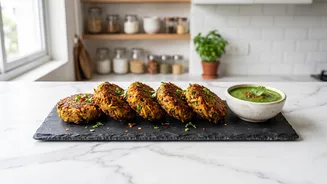
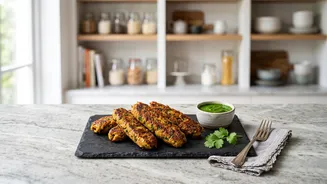
Once your kebab mixture is ready, it’s time to shape and cook. Lightly grease your palms with oil to prevent sticking. Take small portions of the mixture and shape them into flat, round patties or oval kebabs. The shape is a matter of preference, but a flatter patty will cook more evenly and develop a crispier crust. Heat a non-stick pan or tawa over a medium flame and add a tablespoon or two of oil or ghee. Carefully place the kebabs on the hot pan, ensuring you don't overcrowd it. Cook them on a medium-low flame for several minutes on each side. This slower cooking ensures the inside gets cooked through while the outside becomes golden brown and perfectly crisp. Rushing this step on high heat can leave the centre raw.
Serving and Flavour Variations
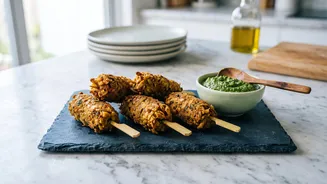
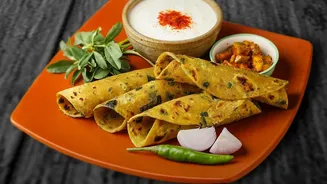
These bottle gourd peel kebabs are wonderfully versatile. Serve them hot off the pan with a side of cooling mint-coriander chutney and some spiced pickled onions for a classic combination. They also pair beautifully with a simple tomato ketchup for a kid-friendly snack. For added texture and nutrition, you can experiment with the binding agents. A small amount of soaked and coarsely ground chana dal can be added to the mixture for a texture similar to shami kebabs. You can also incorporate other grated vegetables like carrots, or add roasted peanut powder for a nutty flavour profile. These kebabs can even be placed in a roti with chutney and sliced onions to create a delicious wrap.