







A Spectacle of Sound and Colour
Every year, the quiet courtyard of the Hemis Monastery, Ladakh's largest and wealthiest gompa, transforms into a theatre of the divine. The Hemis Festival, or Hemis Tsechu, is a two-day event commemorating the birth anniversary of Guru Padmasambhava,
the revered 8th-century Buddhist master credited with spreading Tantric Buddhism in the Himalayan region. For visitors, it's an overwhelming sensory experience. The air thrums with the deep, resonant calls of long horns (dungchen), the rhythmic clash of cymbals, and the steady beat of drums. Monks, adorned in magnificent, brightly coloured silk costumes and elaborate, sometimes fearsome, masks, move with deliberate, powerful grace, captivating thousands of onlookers who flock here from across the globe.
The Dance of the Divine: Understanding Chhams
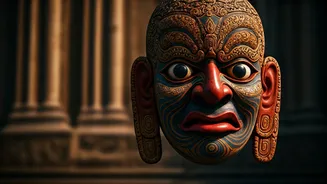
The heart of the Hemis Festival is the 'Chham', a series of sacred mask dances performed by the monastery's resident monks. These are not mere performances for entertainment; they are profound religious rituals. Each dance is a form of meditation, a spiritual offering that is believed to vanquish evil spirits, bring blessings, and impart moral lessons to the audience. The masks themselves are masterpieces of craftsmanship, representing various deities, demons, and protector spirits from the Buddhist pantheon. The dancers embody these figures, their slow, swirling movements and dramatic gestures telling stories of the triumph of good over evil. Watching a Chham is to witness a living tradition that has been passed down, unchanged, through centuries.
The Legend of Guru Padmasambhava
The festival is fundamentally a celebration of Guru Padmasambhava, also known as Guru Rinpoche. According to legend, his mission was to vanquish the dark forces and demons that were obstructing the path of Buddhism. The dances performed at Hemis recreate these epic battles. The central narrative often revolves around the Guru and his manifestations subjugating negative energies and establishing the dharma. For devotees, attending the festival is an act of faith, believed to confer spiritual merit and good fortune. The collective energy of devotion, combined with the powerful visuals and sounds, creates an atmosphere that is both electric and deeply moving, even for the casual observer.
Beyond the Masked Dances
While the Chham dances are the main attraction, the festival offers a rich cultural immersion. A sprawling fair springs up around the monastery, where you can find local artisans selling traditional handicrafts, jewellery, and delicious Ladakhi food like momos and thukpa. It's also a time for social gathering, with locals from remote villages dressing in their finest traditional attire. Every 12 years, the festival becomes even more significant with the ceremonial unfurling of a giant, four-storey-high thangka (a silk appliqué scroll) depicting Guru Padmasambhava. This rare event draws immense crowds and is considered a once-in-a-lifetime sight.
Planning Your Journey
The Hemis Festival takes place on the 10th and 11th days of the fifth month of the Tibetan lunar calendar, which usually falls in June or July. Hemis Monastery is located about 45 kilometres from Leh, the main town in Ladakh. You can hire a taxi or join a group tour from Leh to attend the festival. Given its popularity, it's crucial to book flights and accommodation well in advance. Leh is well-connected by air to major Indian cities. When you attend, remember that this is a sacred event. Dress modestly, covering your shoulders and knees. Ask for permission before taking close-up photographs of people or monks, and follow the instructions of the volunteers to maintain the sanctity of the space. Arrive early to find a good vantage point, as the monastery courtyard fills up quickly.