





What makes someone walk away from the heart of the AI revolution? For the founders of Anthropic, it was a matter of principle. Their journey from top researchers at OpenAI to creating a rival firm is a defining story of the modern tech era.
A Departure of Principle
In 2021, a
significant faction of talent departed from OpenAI, the research lab behind ChatGPT. Led by siblings Dario and Daniela Amodei, a group of seven senior members, including key figures from the GPT-3 and AI safety teams, decided to chart their own course. Dario, OpenAI's former VP of Research, and Daniela, who led safety and policy, had developed a different vision for how artificial intelligence should be built. The split wasn't about commercialization or a specific deal, but a fundamental disagreement over the approach to AI safety. The group felt the industry, including their own lab, was moving too fast, prioritizing capabilities over ensuring that these powerful systems were safe and aligned with human values. This conviction led them to found Anthropic, a public benefit corporation, not to stop progress, but to pursue it more cautiously.
The Anthropic Bet: Safety, Not Just Speed
Anthropic was founded on the idea that safety couldn't be an afterthought; it had to be woven into the core architecture of the AI. This philosophy gave rise to 'Constitutional AI', a novel training method that sets it apart. Instead of relying exclusively on human feedback to steer a model away from harmful outputs—a process that can be slow and biased—Anthropic's approach uses a written constitution. This document contains a set of principles, drawing from sources like the UN Declaration of Human Rights, which the AI uses to critique and revise its own responses. The model learns to reason about its objections, explaining why it can't fulfill a harmful request rather than just refusing. This 'Reinforcement Learning from AI Feedback' (RLAIF) was their big bet: that a more transparent, principles-based approach could create a more harmless and helpful AI.
Big Tech Backing Validates the Vision
The founders' bet on a safety-first approach quickly attracted immense interest and capital from some of the biggest names in technology. While they had left one tech-backed giant, others were eager to invest in their alternative vision. Amazon and Google have collectively committed billions, not just funding Anthropic's computationally expensive research but also integrating its models into their cloud platforms. These partnerships provided a crucial seal of approval, signaling to the market that Anthropic's cautious methodology was not a commercial disadvantage but a powerful differentiator. The flood of investment validated the idea that there was a significant appetite for an AI powerhouse built on a foundation of trust and reliability. This strategic backing enabled Anthropic to scale its efforts and compete at the highest level, developing its family of 'Claude' AI models as a direct challenger to OpenAI's offerings.
The $1.5 Trillion Valuation Explained
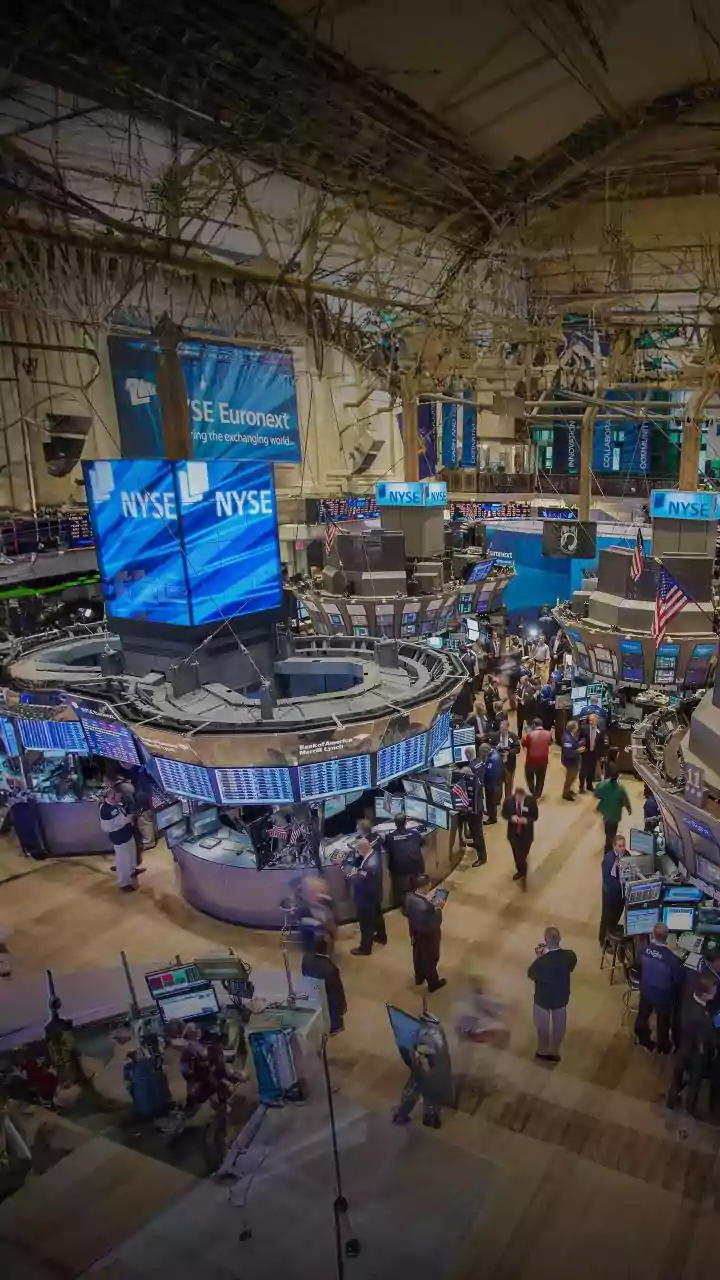
The headline-grabbing figure of a $1.5 trillion valuation stems from the company's recent Initial Public Offering (IPO) in November 2026. After pricing its shares at $83, above the initial range, the company's fully diluted valuation reached that massive number. This valuation reflects the enormous investor appetite for AI stocks and the belief in Anthropic's long-term potential. Just months earlier, in May 2026, a private funding round had valued the company at $965 billion. The leap to $1.5 trillion with the IPO makes it one of the largest stock market debuts in history, a staggering achievement for a company founded only five years prior. While the valuation is a testament to market confidence, the company remains unprofitable under standard accounting and faces massive future costs for computing power, highlighting the high-stakes gamble investors are taking on the future of AI.