






A Paradise Under Pressure
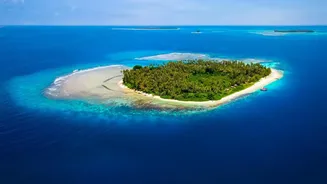
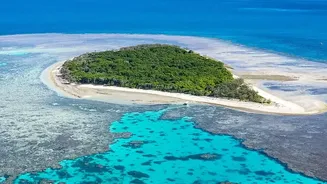
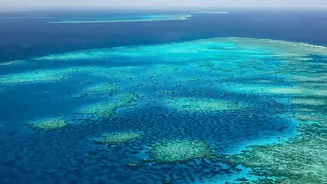
The Lakshadweep archipelago, a string of 36 coral islands in the Arabian Sea, is renowned for its stunning natural beauty. Its ecosystems, however, are incredibly fragile. The coral reefs, which are the very foundation of the islands, face a dual threat:
climate change and the impacts of tourism. Rising sea temperatures have led to severe coral bleaching events, with a significant event reported as recently as March 2024. Unregulated tourism adds another layer of stress through pollution, waste management challenges, and potential physical damage to the delicate marine life. This has prompted authorities to recognise that without proactive measures, the very attraction that draws visitors could be lost forever.
The New Blueprint for Responsible Tourism
In response to these challenges, a new framework of guidelines is being implemented to govern tourism operations. The core principle is to ensure all activities are undertaken within the islands' 'carrying capacity'—the maximum level of visitor presence the ecosystem can sustain without degradation. These rules, enforced by bodies like the National Green Tribunal (NGT), mandate that tour operators adhere to strict environmental safeguards. This includes comprehensive waste and sewage management plans, a prohibition on single-use plastics, and ensuring that any new infrastructure, like the proposed tent cities, is eco-friendly and compliant with all norms. Operators must also secure a 'Consent to Operate' which is contingent on meeting these environmental standards.
What This Means for Tour Operators
For businesses operating in Lakshadweep, these guidelines represent a significant shift towards accountability. The regulations require specific qualifications for activity leaders, such as certified instructors for scuba diving centres, and comprehensive insurance for guests. Operators are now legally obligated to manage their environmental footprint, from handling solid waste through authorised agencies to submitting regular compliance audits. While this may involve initial investment in greener technologies and training, the long-term goal is to create a sustainable business model. By protecting the pristine environment, operators are also securing the future of their own livelihood, ensuring that Lakshadweep remains a premier destination for eco-conscious travellers.
The Tourist's Role in Preservation
The new guidelines also empower tourists to become active partners in conservation. While rules have been recently eased to simplify entry permits for Indian tourists by removing the need for a local sponsor, the focus on responsible behaviour is sharper than ever. Visitors will be educated on a code of conduct that emphasizes respect for the local culture and the fragile environment. Measures being considered include asking guests for a security deposit, returnable upon compliance with environmental rules like not littering. By choosing certified operators and adhering to these guidelines, travellers can directly contribute to the preservation of the islands' coral reefs and marine biodiversity, ensuring their visit has a positive impact.
A Model for a Sustainable Future?
Lakshadweep's comprehensive approach of integrating community involvement, regulatory oversight, and tourist education is being positioned as a potential blueprint for other ecologically sensitive destinations. The administration aims to promote a form of tourism that is economically viable, environmentally sustainable, and socially acceptable. Initiatives are focusing on everything from promoting green energy and reducing plastic pollution to involving local communities in planning. By creating a synergy between guests and locals, the goal is to foster a deep-rooted culture of conservation. This forward-thinking strategy seeks to prove that economic growth and environmental protection do not have to be mutually exclusive, setting a valuable precedent for the future of tourism in India.