





Why Rain Causes Havoc at the Airport
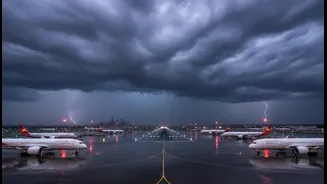
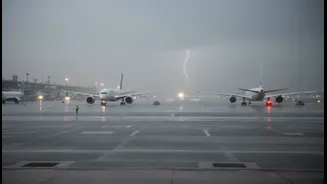
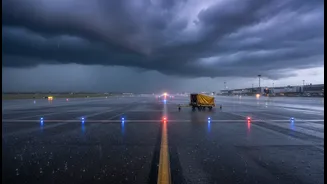
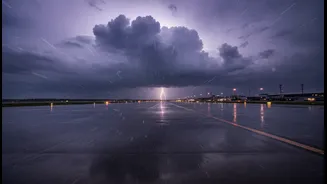
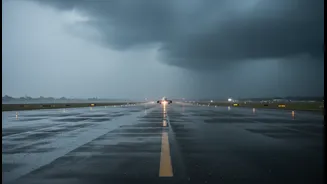
Flight disruptions during Kolkata’s monsoon season are not just about rain limiting visibility for pilots. A major issue is waterlogging on the operational side of the airport, including runways, taxiways, and parking bays. Intense downpours can overwhelm
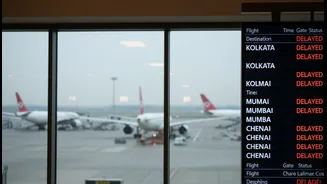
the airport's drainage systems, some of which have historically struggled with congestion and blockages. This makes it unsafe for aircraft to taxi and for ground handling equipment to operate. Airlines often have to delay or cancel flights until the water recedes and conditions are deemed safe by Air Traffic Control. Recent reports from July 2026 show that heavy showers continue to affect departures and arrivals, with airlines like SpiceJet issuing advisories for passengers to check their flight status. The cumulative effect means that even a short, intense spell of rain can create a domino effect, leading to hours of delays and numerous cancellations.
The Risks: Beyond Just a Delayed Flight
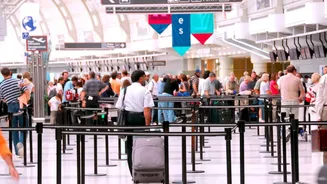
The primary risk for passengers is, of course, significant delays or outright cancellations. In one recent instance in 2026, over 90 flights were cancelled in a single day due to record rains. However, the challenges begin even before you reach the terminal. Waterlogging on major arterial roads leading to the airport, such as VIP Road and Jessore Road, can cause severe traffic congestion, making it difficult to even reach the airport on time. Once at the airport, passengers might face long queues, crowded terminals, and a lack of clear information during widespread disruptions. While aerobridges may protect you from the rain when boarding, ground operations for baggage handling and aircraft servicing can be severely hampered, leading to further delays even after you've boarded the plane.
Your Pre-Travel Action Plan
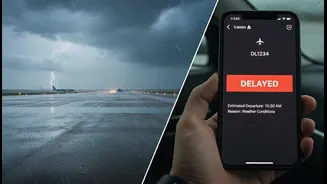
Preparation is your best defence against monsoon travel woes. First, monitor the weather forecast closely in the days leading up to your flight. On the day of travel, check your flight status with the airline multiple times before leaving for the airport. Airlines like IndiGo and SpiceJet frequently post updates on social media and their websites during bad weather. It's wise to leave for the airport much earlier than you normally would to account for potential traffic snarls caused by waterlogging. Pack essentials like medications, chargers, and snacks in your carry-on luggage in case you are stranded on the aircraft or in the terminal for an extended period. Also, consider travel insurance that covers weather-related disruptions, as this can offer a layer of financial protection.
Know Your Rights During a Delay
If your flight is delayed or cancelled due to bad weather, it's crucial to know what you are entitled to. In India, weather-related disruptions are considered 'force majeure' events, meaning airlines are not required to provide monetary compensation. However, they still have a duty of care. According to the Directorate General of Civil Aviation (DGCA), if a flight is delayed by two hours or more, airlines must provide passengers with free meals and refreshments. For longer delays, passengers should be offered an alternate flight or a full refund of the ticket. If a delay stretches overnight (for flights scheduled between 8 pm and 3 am), the airline is also obligated to provide hotel accommodation and transfers. Don’t wait for announcements; if you are facing a long delay, proactively approach the airline staff to ask about these facilities. If an airline fails to provide this assistance, you can file a complaint on the AirSewa portal.
What's Being Done to Fix the Problem?
The issue of waterlogging at Kolkata airport is a long-standing one, but authorities are taking steps to mitigate it. The Airports Authority of India (AAI) has undertaken projects to overhaul and build new drainage networks to prevent flooding on the tarmac and taxiways. Coordinated meetings between the airport, state government, and various civic bodies have been held to find a permanent solution. These plans include installing new high-capacity water pumps, cleaning and desilting canals around the airport, and even asking the Metro Railway to build separate drains to avoid overburdening the existing system. While these are promising long-term measures, their full impact is yet to be felt, meaning passengers should still prepare for disruptions in the immediate future.