

Redefine Your Relationship with 'Stuff'
We often confuse an object with the memory it represents. The fear isn't that we'll miss the physical item, but that we'll lose the story connected to it. Psychology tells us that our attachment to objects is tied to our identity and emotions. The first
step is to mentally separate the two. Acknowledge that the memory lives within you, not within the object itself. This mindset shift allows you to make decisions based on what truly adds value to your life, rather than being held captive by a sense of obligation or guilt. The goal is not to discard your past, but to curate it, making space for what is genuinely significant.
Curate, Don't Just Collect
Instead of keeping every single drawing your child ever made, choose one or two that best represent that phase of their life. Rather than storing three boxes of your grandmother's belongings, select a few key items that spark the most vivid, positive memories. When sorting through items, ask yourself specific questions: Does this evoke a strong, happy memory? Is this the best representation of that memory? Can I live with a photo of it instead? This process transforms you from a passive collector into an active curator of your own history. Set a physical limit, like one or two archival boxes, which forces you to make conscious choices about what earns its place.
Preserve Physical Items Like a Pro
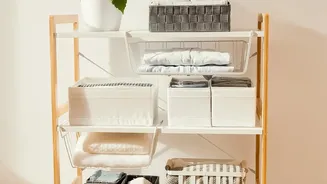
Once you've curated your collection, proper storage is crucial. The biggest enemies of preservation are extreme temperatures, humidity, and light. This means the attic and basement are often the worst places for storage. Instead, opt for a cool, dry, and dark space like a closet in the main part of your home. For photos, letters, and documents, use materials that are labelled 'acid-free' or 'archival-grade'. These materials prevent the chemical decay that causes yellowing and brittleness. Avoid plastic bags and non-archival containers that can trap harmful gases and moisture. For textiles like a wedding dress or a baby blanket, clean them professionally first and store them in archival boxes, padded with acid-free tissue.
Embrace the Digital Memory Box
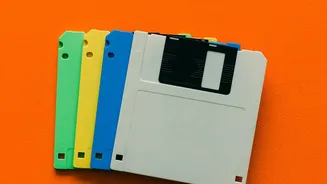
Digitizing your memories is a powerful way to preserve their essence without the physical clutter. Scanning photos and letters not only creates a backup but makes them easily shareable with family. You don't need expensive equipment; a flatbed scanner on a home printer or even a mobile scanning app like Google's PhotoScan can produce high-quality results. When scanning, aim for a resolution of at least 300 to 600 DPI to ensure good quality. For old home videos on VHS or film, a professional digitization service is often the best choice. The most important part of digitizing is adding context—record a voice note or write down the story behind the photo to capture the human element. This creates a living archive that can be passed down for generations.
Integrate Memories Into Your Life
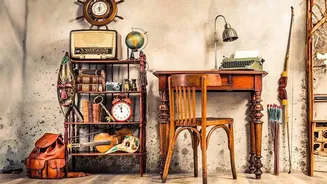
The most precious items shouldn't be hidden away in a box, never to be seen again. A home is for living in the present, not a museum for the past. Find ways to incorporate your most cherished memories into your daily life. Frame a beautiful old letter from a loved one. Use your grandmother's special occasion china for a regular family dinner. Turn a collection of your children's t-shirts into a memory quilt. By giving these items a purpose and a place in your home, you honor the memory they represent every single day. This active engagement with your past is far more meaningful than passive storage in a forgotten corner.