



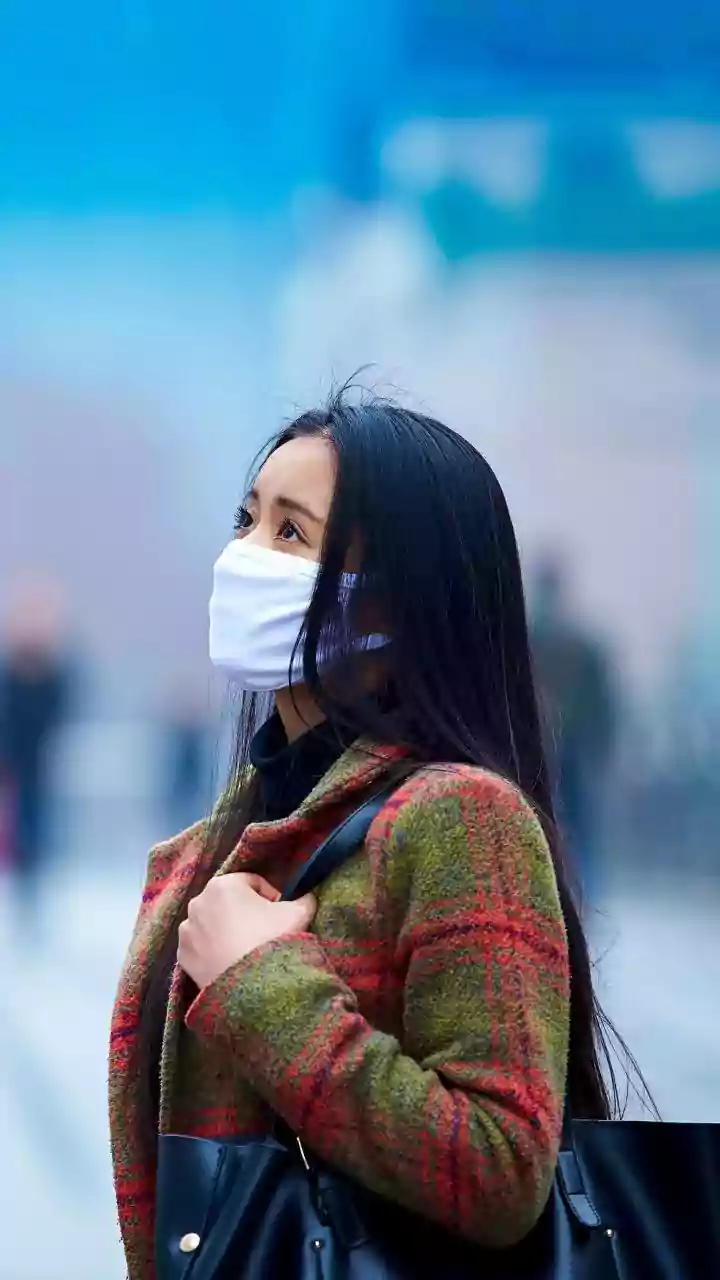



As temperatures drop, the annual wave of coughs and colds begins. But this year, health advice is adding a crucial layer to our defence: good ventilation is now considered as important as the timeless wisdom of washing your hands.
Why Airflow is the New Focus
For years, the main advice
for avoiding winter bugs was to scrub our hands and cover our coughs. This is still vital. However, our understanding of how respiratory viruses like influenza, RSV, and the one that causes COVID-19 spread has evolved. Many of these viruses can linger in the air in tiny particles, especially in indoor spaces where people spend more time together during colder months. Poorly ventilated rooms can allow these virus-laden particles to accumulate, increasing the risk of transmission for everyone inside. This is why public health guidance now strongly emphasizes improving indoor air quality as a key preventive measure, treating it as a fundamental part of staying healthy alongside personal hygiene.
Simple Ways to Ventilate Your Home
Improving ventilation doesn't have to be complicated or expensive. The simplest method is to bring fresh, outdoor air into your home. Opening windows and doors, even for just a few minutes every hour, can make a significant difference in dispersing airborne particles. Creating a cross-breeze by opening windows on opposite sides of your home is particularly effective. It is also wise to use exhaust fans in kitchens and bathrooms, as they are designed to pull moist, stale air out of the house. Keeping them running while cooking or showering, and even for a while after, helps improve overall air circulation.
When Opening Windows Is Not Practical
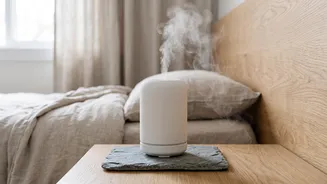
In very cold weather or areas with poor outdoor air quality, keeping windows open isn't always feasible. Fortunately, there are other effective strategies. If you have a central heating, ventilation, and air conditioning (HVAC) system, you can improve its filtering power. Using a higher-rated filter, such as a MERV 13 if your system can handle it, can trap more virus particles. Setting the fan to 'On' instead of 'Auto' keeps the air circulating and filtering continuously. Another excellent option is a portable air cleaner with a HEPA filter, which is designed to remove microscopic particles from the air in a specific room. Using these methods can significantly reduce the concentration of indoor air pollutants and germs.
The Unchanging Power of Hygiene
While ventilation is the new star player, the foundational habits of everyday hygiene remain non-negotiable. Frequent and thorough handwashing with soap and water for at least 20 seconds is one of the most effective ways to remove germs you may have picked up from surfaces. When soap and water aren't available, an alcohol-based hand sanitizer is a good substitute. It's also crucial to continue covering coughs and sneezes, preferably into your elbow or a tissue that you immediately discard. Regularly cleaning frequently touched surfaces like doorknobs, light switches, and mobile phones also helps to reduce the spread of germs within your household and workplace.
A Two-'Pronged' Approach for a Healthier Winter
The key takeaway for this winter season is to think of your health strategy in two parts: what you do for your personal space (hygiene) and what you do for your shared space (ventilation). Neither one replaces the other; they work together to create a much safer environment. Staying home when you are sick remains a critical step to protect others. And of course, staying up-'to-'date on recommended vaccinations for illnesses like the flu is a primary line of defence against severe illness. By combining these strategies—letting fresh air in, keeping the air clean, washing your hands, and getting vaccinated—you give yourself and your family the best possible chance of navigating the winter season in good health.