




Know the Peak Time
Timing is crucial for any meteor shower. The Orionids are active from early October to early November, but the best time to watch is during the peak. For 2026, the peak is expected on the night of October 21-22. The ideal viewing window is in the pre-dawn
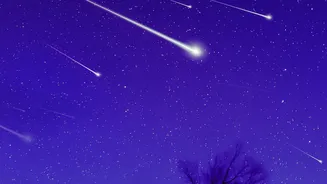
hours, after midnight. This year, a bright waxing gibbous moon will be present, but it sets around 3 a.m. local time. This creates a perfect, dark window between moonset and the beginning of dawn to catch the show. Plan to be patient, as you might see around 15-25 meteors per hour under perfect dark skies, and fewer in the city.
Escape the City Glow
The biggest challenge for urban astronomers is light pollution. The glow from streetlights, buildings, and cars can wash out all but the brightest meteors. You don't have to drive for hours, but moving to a less light-polluted area will dramatically improve your chances. Think of a local park, a large field, or even the top floor of a tall building with an unobstructed view away from direct streetlights. Even a short drive to the outskirts of town can make a significant difference. Online light pollution maps can help you find darker spots near your location.
Let Your Eyes Adapt
This is a simple but vital step that many people skip. Your eyes need time to adjust to the darkness to see faint objects like meteors. It takes about 20 to 30 minutes for your eyes to become fully dark-adapted. During this time, avoid looking at any bright screens, especially your phone. If you need to use a light, use a red torch or a phone app with a red-light mode, as red light is less disruptive to your night vision.
Ditch the Telescope
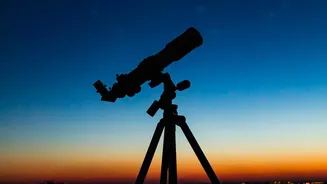
The headline says it all: no heavy telescopes are needed. In fact, for meteor showers, telescopes and even binoculars are a disadvantage. Meteors are fast, streaking across large sections of the sky. A telescope has a very narrow field of view, meaning you're likely to miss any meteor that doesn't fly directly through that tiny window. The best tool for the job is your own eyes, as they can take in the widest possible view of the sky.
Know Where to Look
The Orionids are named because their radiant—the point they appear to originate from—is in the constellation Orion. You can use a stargazing app on your phone (in red-light mode!) to locate Orion, which will be in the southwestern sky for Northern Hemisphere observers. However, the best strategy is not to stare directly at the radiant. Meteors seen close to this point will have very short trails. For longer, more dramatic streaks, look about 45 to 90 degrees away from Orion, taking in as much of the sky as possible.
Get Comfortable and Be Patient
Stargazing is a waiting game. You won't see a constant stream of meteors; they often come in spurts. Find a comfortable spot where you can lie flat on your back and look straight up. A reclining lawn chair, a blanket, or a sleeping bag are perfect for this. This prevents neck strain and allows you to have a wide, relaxed view of the sky. Bring some warm clothes and a flask of a hot beverage, as nights in late October can be chilly. Patience is key—the show will last until dawn, giving you plenty of time to spot a shooting star.