






Fuel: The Single Biggest Airline Expense
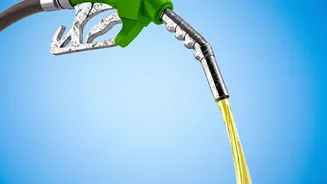
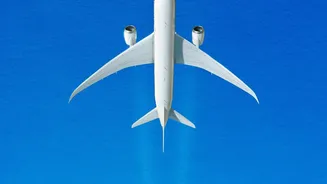
For any airline, the single largest variable operating cost is fuel. Aviation Turbine Fuel (ATF) can account for anywhere between 20% to 45% of an airline's total expenses. This figure can even spike towards 60% during periods of extreme market stress.
A seemingly small change in the per-gallon price of jet fuel can translate into millions of dollars in additional annual costs for a major carrier. Because this cost is so significant and volatile, it has a direct and immediate impact on the price you pay for your ticket. Airlines must factor in this massive expense, and when fuel costs rise, that increase is inevitably passed on to the consumer to protect already thin profit margins.
More Than Just Crude Oil
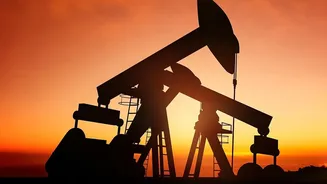
Headlines often focus on the price of crude oil, but that's just the raw ingredient. Airlines use a refined product, Aviation Turbine Fuel (ATF), and the journey from crude to ATF adds several layers of cost. The price difference between crude oil and the refined fuel is known as the "crack spread." This spread covers the costs of refining and can fluctuate dramatically based on refinery capacity, demand for jet fuel versus other petroleum products, and geopolitical events. For example, at times the cost to refine jet fuel has jumped tenfold, drastically increasing the final price for airlines even if crude prices were stable. Therefore, even if crude oil prices are falling, a high crack spread can keep ATF prices stubbornly elevated.
The Heavy Burden of Indian Taxes
In India, the tax structure on ATF is a critical factor that makes flying more expensive for domestic routes. Unlike petrol and diesel, ATF has not been included under the Goods and Services Tax (GST) framework. This means airlines cannot claim input tax credits on the taxes they pay for fuel. Domestic airlines face an 11% central excise duty, plus a Value Added Tax (VAT) levied by state governments, which can range from 16% to as high as 29%. This multi-layered tax system means Indian domestic carriers can pay significantly more for fuel than their international counterparts, a cost that directly inflates domestic ticket prices.
Hedging: A High-Stakes Gamble
To protect themselves from price volatility, many airlines engage in "fuel hedging." This is a financial strategy where an airline locks in a price for a certain amount of fuel to be purchased in the future. If market prices skyrocket, the airline benefits by paying the lower, pre-agreed rate. However, hedging is a double-edged sword. If the market price for fuel drops significantly, the airline is still contractually obligated to buy fuel at the higher, hedged price, making them less competitive than airlines that didn't hedge. This is why some airlines may not lower fares when fuel prices fall; they might be locked into more expensive contracts. The success or failure of a hedging strategy can mean the difference of billions of dollars.
Demand, Capacity and Other Factors
While fuel is a dominant factor, it isn't the only one. Airlines use dynamic pricing, which recalibrates based on demand. If demand for travel is strong, as it has been recently, airlines have less incentive to lower fares, even if their fuel costs decrease. They will prioritise filling planes at higher fares to improve their profit margins, which have been under pressure. Furthermore, limited airline capacity and reduced competition on certain routes can also keep prices high. Sometimes, airlines are slower to reduce prices when costs fall than they are to raise them when costs spike—an effect economists call the "rockets and feathers" principle. It all combines to create a situation where lower oil prices don't immediately translate to cheaper holidays.