




The Destination is the Doorstep
The traditional travel checklist used to be simple: pick a destination, book flights, and then find a decent hotel. That last step was often a matter of logistics and budget rather than inspiration. However, recent travel data indicates this model is being
turned on its head. Indian travellers are increasingly starting their holiday planning not with a place, but with a property. The stay is no longer a footnote; it's the headline. This trend, highlighted in Booking.com's findings, shows that a significant number of travellers are choosing their destination based on the unique accommodation they can book there. The desire for an extraordinary place to stay is now a primary driver of travel itself, reshaping how we explore the country.
Driven by Experience Over Amenities
So, what’s fuelling this change? It’s a collective move away from the standardised, often impersonal, experience of conventional hotels. Today’s traveller is looking for stories, authenticity, and a deeper connection to the place they are visiting. A sterile room with a king-sized bed and a flat-screen TV is no longer enough. Instead, people are seeking out properties that offer a distinct character and an immersive experience. This could be waking up to the sound of birds in a secluded treehouse in Kerala, enjoying home-cooked meals in a centuries-old haveli in Rajasthan, or learning about coffee cultivation at a plantation stay in Coorg. It’s a quest for memorable moments that a standard hotel room simply cannot provide. Social media also plays a huge role; the visual appeal of a unique stay makes it highly 'Instagrammable', turning guests into storytellers and marketers for the property.
What Counts as a 'Unique' Stay?
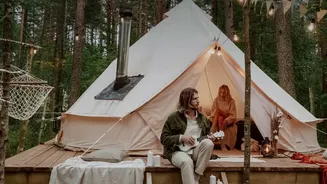
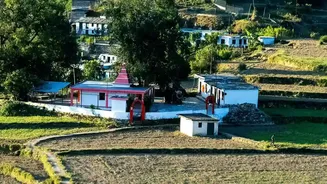
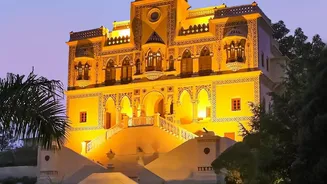
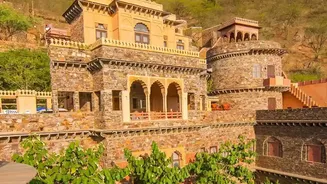
The definition of unique accommodation is broad and wonderfully varied, catering to every type of traveller. It's less about luxury and more about character. In India, the options are incredibly diverse. Houseboats gliding through the serene backwaters of Alleppey offer a tranquil escape. Restored heritage forts and palaces in Rajasthan allow guests to live like royalty for a few days. In the mountains of Himachal Pradesh and Uttarakhand, travellers can find charming mud houses, eco-lodges, and boutique homestays that offer stunning Himalayan views and a taste of local life. Down south, sprawling plantation bungalows in regions like Munnar and Chikmagalur provide a peaceful retreat amidst nature. These properties are not just buildings; they are curated environments that reflect the culture, history, and natural beauty of their location.
More Than Just a Room to Rent
What truly sets these accommodations apart is that they offer more than just a place to sleep. They are gateways to experiences. The hosts are often locals who are passionate about their region and eager to share it with guests. A stay might include a guided nature walk, a village tour, a lesson in local cuisine, or participation in a traditional craft workshop. This transforms a simple holiday into a rich cultural immersion. For example, staying in a family-run homestay in Ladakh might involve learning to make momos from the host, while a stay at a farm in Punjab could offer the chance to try your hand at working in the fields. These activities create lasting memories and foster a genuine connection between the traveller and the destination, something that is often missing in more commercialised tourist experiences.