






Understanding Your Pet’s Fear
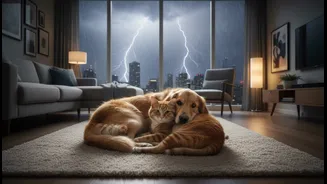
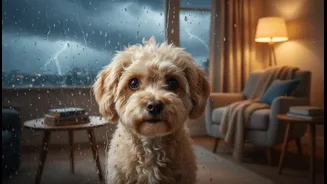
Thunderstorm phobia in pets is more than just a fear of loud noises. It's a multi-sensory experience. Dogs and cats have heightened senses, meaning they can be affected by a storm long before we are. The triggers include not just the booming thunder,
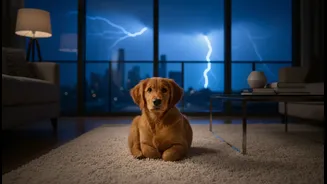
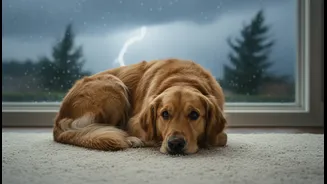
but also the drop in barometric pressure, the smell of ozone created by lightning, and the buildup of static electricity in the air that can cause an uncomfortable tingling in their fur. These elements combine to create a deeply unsettling experience, and for many pets, the sudden, unpredictable flashes of lightning that light up a room are a major source of panic and sensory overload.
Why Blocking Lightning Flashes Helps
Sudden, bright flashes of light are startling to any animal, but for one already on edge from the other sounds and sensations of a storm, they can significantly escalate fear. The lightning provides a jarring visual confirmation of the threat their other senses are already telling them about. By minimizing their exposure to these flashes, you remove a key piece of the anxiety puzzle. Reducing this one sensory input can make the entire event less overwhelming, helping your pet feel more secure and preventing their panic from spiraling. It gives them a chance to cope with the noise without also having to deal with startling visual shocks.
Creating a Visual Safe Zone
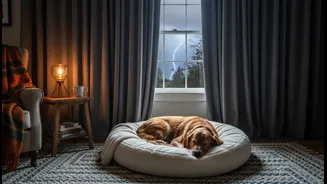
The most effective way to minimize lightning exposure is to create a space where your pet can't see the flashes. The best option is an interior room with no windows, like a closet or a basement. If that's not possible, focus on blocking the view in a room they feel comfortable in. Closing curtains and blinds is a simple first step. For a more robust solution, investing in blackout blinds or curtains can be highly effective, as they are designed to block all outside light. This not only hides the lightning but also helps muffle sound, further calming the environment.
Building the Ultimate Storm Den
Your pet’s safe space should be a haven of comfort, available to them at all times, not just during storms. If they are crate-trained, their crate can be an ideal den. You can make it more secure by draping a heavy blanket over it, leaving the door open so they don't feel trapped. Stock this area with their favourite soft bedding, familiar toys, and perhaps an item of your clothing that carries your scent for extra reassurance. The goal is to create a positive association with this space, making it a place they willingly retreat to when they feel scared.
A Multi-Sensory Calming Approach
While blocking light is crucial, it works best as part of a broader strategy. To counter the sounds of the storm, play calming music or turn on a white noise machine or a fan to help mask the thunder. Distractions like a puzzle feeder or a long-lasting chew can also help take their mind off the storm by giving them a positive, engaging task to focus on. Many owners also find success with anxiety wraps or thunder vests, which apply gentle, constant pressure that can have a swaddling, calming effect on many dogs. Your own calm behaviour is also key, as pets look to their owners for cues.
When to Seek Professional Help
If your pet's phobia is severe—leading to destructive behavior, attempts to escape, or self-injury—it is important to consult a veterinarian. They can rule out any underlying medical issues and discuss a more comprehensive behavior modification plan. This might include desensitization and counter-conditioning, where your pet is gradually exposed to storm sounds in a controlled, positive way. In some cases, a veterinarian may also prescribe anti-anxiety medications or calming supplements to help your pet cope during a storm season.