





The Old Rule of Thumb
For decades, the standard nutritional advice has been straightforward: the Recommended Dietary Allowance (RDA) for protein is about 0.8 grams per kilogram of body weight per day for a sedentary adult. For a person weighing 68 kg, that’s roughly 55 grams of protein.
This guideline, established by bodies like the Indian Council of Medical Research (ICMR), was designed primarily to prevent protein deficiency in the general population. It's the minimum amount needed to avoid illness, not necessarily the optimal amount to thrive. Think of it as the pass mark in an exam—it gets you through, but it’s not the score you aim for if you want to excel.
Why Experts Are Questioning the Minimum
The conversation is shifting from preventing deficiency to promoting optimal function. Researchers now understand that our bodies are in a constant state of breaking down and rebuilding muscle tissue, a process called muscle protein synthesis (MPS). To effectively build and maintain muscle mass, you need a sufficient supply of amino acids, the building blocks of protein. The 0.8g/kg figure may not be enough to maximally stimulate this process, especially as we age or increase our activity levels. Recent studies suggest that higher protein intake is linked to better muscle maintenance, improved body composition, stronger bones, and better satiety, which can aid in weight management. The focus is no longer just on avoiding a negative, but on achieving a positive health outcome.
Who Needs More Protein?
While the 0.8g/kg guideline might suffice for a completely sedentary person, many of us fall into categories that demand more. If you fit into any of these groups, it's time to re-evaluate: 1. **Active Individuals:** If you exercise regularly—whether it’s running, gymming, or playing a sport—your muscles need more protein to repair and grow. Experts often recommend 1.2 to 1.7 grams per kg for this group. 2. **Older Adults:** After the age of 40, we begin to naturally lose muscle mass in a process called sarcopenia. A higher protein intake, closer to 1.0 to 1.2 grams per kg, can help counteract this decline and maintain strength and mobility. 3. **Those Aiming for Weight Loss:** Protein is highly satiating, meaning it keeps you feeling full for longer. Increasing your protein intake can help reduce overall calorie consumption while preserving precious muscle mass during weight loss. 4. **Vegetarians and Vegans:** Plant-based proteins are fantastic, but they can be less bioavailable than animal proteins. To ensure they get a full spectrum of essential amino acids, individuals on plant-based diets might need to aim for a slightly higher overall protein target.
Timing Is Just as Important
It’s not just about the total amount of protein you eat in a day, but also how you distribute it. The typical Indian dietary pattern often involves a carb-heavy breakfast and lunch, with a large, protein-rich dinner. However, your body can only use a certain amount of protein for muscle building at one time—roughly 25-35 grams per meal. Any excess is less likely to be used for muscle repair. A more effective strategy is to spread your protein intake evenly across three or four meals. Instead of saving it all for dinner, aim to include a good protein source with your breakfast (like Greek yoghurt or sprouts), lunch (dal, paneer, or legumes), and an evening snack.
Smart Protein Sources for Indian Diets
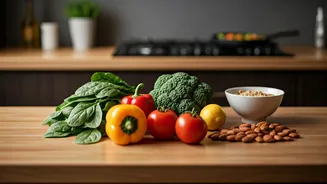
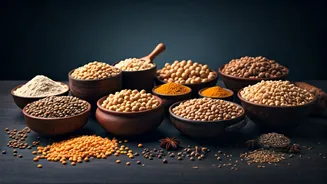
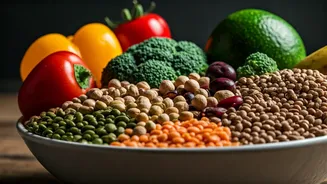
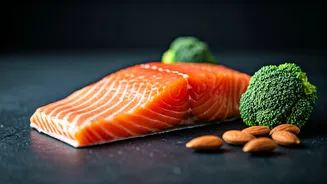
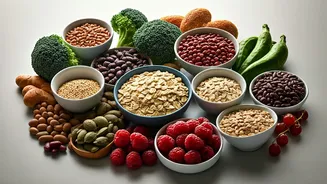
Meeting a higher protein goal doesn't mean you have to rely on expensive supplements. The Indian kitchen is already full of excellent options. For vegetarians, paneer, tofu, lentils (dal), chickpeas (chana), kidney beans (rajma), and Greek yoghurt are powerhouses. Incorporating a variety of nuts, seeds (like chia and flax), and whole grains like quinoa can also boost your intake. For non-vegetarians, eggs, chicken, and fish remain excellent choices. The key is to be mindful at every meal. Ask yourself: 'Where is my protein?' If the answer isn't obvious, consider adding a scoop of dal, a handful of roasted chana, or a small block of paneer to your plate.