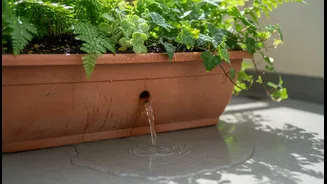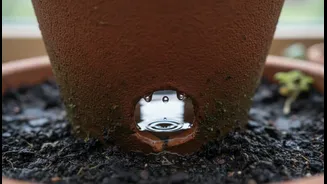




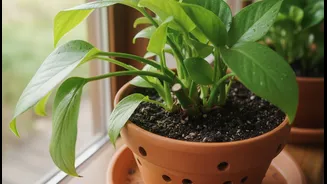


Why Drainage is a Plant's Best Friend
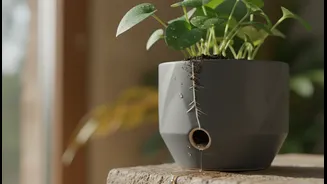
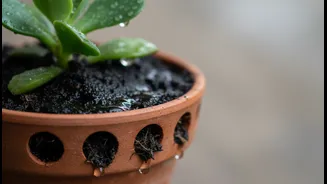
Before we solve the designer pot problem, it's vital to understand why almost every horticulturalist insists on drainage. Plant roots need a balance of water and air. When you water a plant, the soil absorbs what it needs, and the excess should flow away
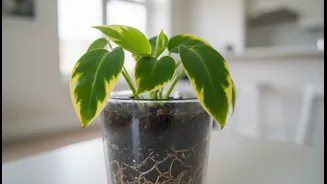
freely. Without an escape route, that excess water pools at the bottom of the pot, saturating the soil. This waterlogged environment pushes out the air pockets that roots need to breathe, essentially drowning them. This leads to a deadly condition called root rot. Furthermore, good drainage helps flush out excess salts from tap water and fertilizers, which can otherwise build up and burn the plant's delicate roots.
The Dark Side of No Drainage: Root Rot
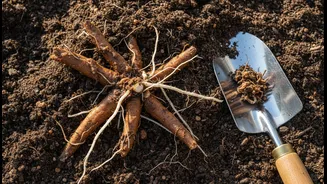
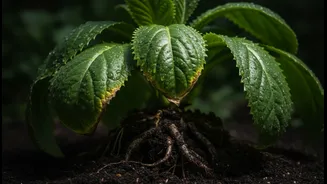
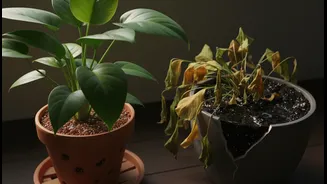
Root rot is the primary killer of houseplants in pots without drainage. Caused by fungi and bacteria that thrive in soggy, oxygen-deprived conditions, it's a silent assassin. The initial signs can be misleading; a plant suffering from root rot often looks wilted, prompting many owners to water it even more, which only worsens the problem. Other symptoms include yellowing leaves, stunted growth, and an unpleasant smell from the soil. If you were to gently unpot the plant, you would find brown or black, mushy roots instead of firm, white ones.
The 'Pot in a Pot' Solution: The Cachepot
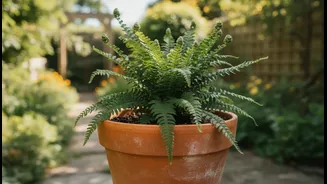
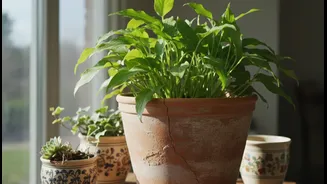
So, how do you use that gorgeous, hole-less pot without sentencing your plant to death? The answer is simple and elegant: the cachepot system. A cachepot (pronounced “cash-po,” French for “hide a pot”) is any decorative container without a drainage hole that is used to house a plant still in its plain nursery pot. You simply keep your plant in its original plastic pot—which has drainage holes—and place it inside your stylish designer pot. This gives you the best of both worlds: your plant gets the drainage it needs, and you get the aesthetic you want. It also makes watering easier and cleaner.
How to Use a Cachepot Effectively
Using a cachepot is straightforward. After watering your plant thoroughly (ideally in a sink), let all excess water drain out of the plastic nursery pot before placing it back into the decorative cachepot. This prevents any water from pooling at the bottom. An alternative is to water the plant in the cachepot, wait about an hour, and then carefully tip out any excess water that has collected. To make this easier and ensure the plant isn't sitting in drips, you can place a layer of pebbles or an upturned saucer at the bottom of the cachepot to elevate the inner nursery pot.
What About a Layer of Rocks?
A common but debunked myth suggests that adding a layer of gravel or rocks to the bottom of a pot without holes will improve drainage. In reality, this does the opposite. Instead of letting water escape, it creates a “perched water table,” raising the saturated soil level higher and closer to the plant’s roots. This actually increases the risk of root rot. The only thing that truly creates drainage is a hole that allows water to exit the container entirely. So, unless you're using rocks to simply elevate an inner pot inside a cachepot, it's best to skip this step.
The DIY Option: Adding Your Own Hole
If you're feeling adventurous and own the right tools, you can often drill a drainage hole into ceramic, terracotta, or even some fiberglass pots. Using a drill bit specifically designed for the material is key to preventing cracks. This permanently solves the drainage issue, allowing you to plant directly into your desired container. However, this method requires care and carries the risk of breaking the pot. For most, the cachepot method remains the safest and most flexible solution.