







The Humidity Trap
First, let's understand the enemy: humidity. When moisture levels in the air skyrocket, your skin reacts in predictable ways. Your sebaceous glands go into overdrive, producing more oil. This extra sebum, combined with sweat and environmental grime, creates
the perfect breeding ground for bacteria and clogged pores. The result? That familiar monsoon cocktail of blackheads, breakouts, and a persistent, greasy sheen. The common reaction is to throw a battery of new products at the problem—a heavy-duty acne wash, a thick mattifying cream, a clarifying mask. But this approach often backfires. Layering multiple, often harsh, products can strip your skin of its natural moisture barrier, causing it to produce even more oil to compensate. It’s a vicious cycle that leaves your skin feeling irritated, inflamed, and overwhelmed.
Simplify, Don't Complicate
The marketing machine of the beauty industry thrives on convincing you that every new season requires a completely new arsenal of products. But dermatologists often advocate for the opposite, especially during the monsoon. This is the season for 'skin minimalism'. Instead of adding steps to your routine, think about what you can streamline or swap out for a lighter alternative. Your skin is already dealing with a heavy, humid environment; the last thing it needs is to be suffocated under layers of creams and serums. The goal is to support your skin's natural functions, not to wage war on it. This means focusing on a few core principles: effective cleansing, lightweight hydration, and targeted treatment—and nothing more.
Master Your Cleansing Routine
If you're going to focus your energy somewhere, let it be on cleansing. A proper cleanse is non-negotiable for removing the day's build-up of oil, sweat, and pollutants. Consider a gentle double cleanse in the evening: start with an oil-based cleanser to melt away makeup and sunscreen, followed by a mild, water-based foaming cleanser. Look for cleansers with ingredients like salicylic acid, a beta-hydroxy acid (BHA) that can penetrate deep into pores to dissolve oil and prevent clogs. However, be careful not to over-cleanse. Washing your face more than twice a day or using overly harsh, stripping formulas can disrupt your skin’s pH balance and lead to irritation and more breakouts.
Hydration is Still Your Friend
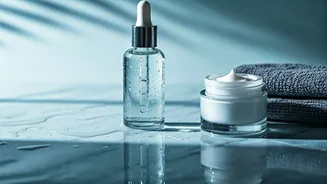
It’s a common myth that oily or acne-prone skin doesn't need moisture, especially in a humid climate. In fact, dehydrated skin can often produce more oil to compensate. The trick is to ditch the heavy, occlusive creams you might have used in winter. Your monsoon best friends are lightweight, water-based hydrators. Look for gel moisturisers, lotions, or serums that contain humectants like hyaluronic acid or glycerine. These ingredients draw moisture from the air into your skin without adding a greasy film. A non-comedogenic formula is crucial, meaning it won’t clog your pores. This step ensures your skin stays plump and hydrated, which is essential for a healthy skin barrier.
Choose Your Hero Ingredient
Instead of a confusing 10-step routine, pick one or two 'hero' ingredients to address your primary concerns. If you’re dealing with oiliness and clogged pores, a serum containing niacinamide can work wonders. It helps regulate oil production, minimises the appearance of pores, and reduces inflammation. If breakouts are your main issue, a targeted spot treatment with benzoyl peroxide or salicylic acid is more effective than slathering a harsh product all over your face. The key is to be consistent with one or two actives rather than bombarding your skin with a cocktail of different ingredients that could interact poorly and cause more harm than good. And remember, the most important product of all? Sunscreen. Rain or shine, cloudy or bright, UV rays are still present. Opt for a lightweight, gel-based sunscreen to protect your skin without adding to the grease factor.