






Redefining Weight-Loss Success
For many, the ultimate goal of a weight-loss plan is to see the numbers on the weighing scale go down. While shedding excess kilos is important, new research is highlighting that this is only one part of the story. A recent landmark study from the University
of Copenhagen suggests that the true measure of a successful weight-loss journey may be found in our arteries and blood vessels. The study emphasises that focusing solely on weight can obscure other crucial health improvements, particularly those related to cardiovascular wellness. The real win isn't just losing weight, but maintaining that loss while actively improving the health of your heart and vascular system, which are often strained by obesity.
What the Groundbreaking Study Found
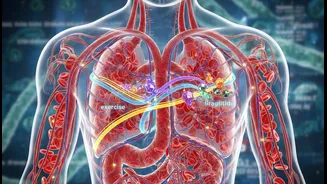
The year-long S-LiTE trial followed 130 adults with obesity who had already achieved significant weight loss (an average of 13.7 kg) through a low-calorie diet. They were then split into four groups to maintain the weight loss: one group received a placebo, another only exercised, a third received only the weight-loss medication Liraglutide, and the fourth group combined exercise with Liraglutide. The results, published in Nature Metabolism, were striking. While Liraglutide helped maintain weight loss, it did not significantly improve markers of vascular health on its own. However, the groups that exercised—either with or without the medication—showed significant improvements in vascular health, including reduced artery wall thickness and lower levels of inflammation.
Understanding Liraglutide
Liraglutide is a medication belonging to a class of drugs called GLP-1 receptor agonists. It is an injectable drug initially used to manage Type 2 diabetes but is also approved for weight management. It works by mimicking a hormone that targets areas of the brain that regulate appetite, making you feel fuller for longer. In India, biosimilar versions of Liraglutide, such as Lirafit, have made the treatment more accessible, slashing the monthly cost significantly. While effective for weight loss and blood sugar control, the new research shows its benefits for heart health are magnified when paired with physical activity.
The Critical Role of Vascular Biomarkers
The study focused on 'vascular biomarkers', which are substances in the blood or measurable physical signs that indicate the health of our blood vessels. Key markers included the thickness of the carotid artery wall (cIMT), where a thicker wall suggests a higher risk of clots and strokes. Other biomarkers measured were signs of inflammation (like IL-6) and endothelial function (like ICAM-1 and VCAM-1), which signal how well the inner lining of your blood vessels is working. Persistently high levels of these markers are linked to atherosclerosis, heart attacks, and other cardiovascular diseases. The research found that exercise directly lowered these harmful markers, providing a protective effect that medication alone did not.
Exercise: The Irreplaceable Element
The key takeaway from the Copenhagen study is the indispensable role of exercise. Participants who exercised for about two and a half hours per week saw a 6-7% reduction in carotid artery wall thickness. This benefit was not seen in the groups that relied only on placebo or Liraglutide. Exercise works in ways medication can't replicate; it actively reduces chronic inflammation, a major driver of heart disease. Furthermore, physical activity is crucial for preserving muscle mass and bone density during weight loss, which can sometimes be compromised when using GLP-1 medications. Combining exercise with Liraglutide offered the best of both worlds: sustained weight loss plus enhanced cardiovascular and metabolic health.
A Holistic Path Forward
This research provides powerful scientific backing for a holistic approach to weight management. It suggests that while medications like Liraglutide are valuable tools for achieving and maintaining weight loss, they should not be seen as a substitute for physical activity. True, lasting health benefits come from a combination of strategies. For anyone on a weight-loss journey, whether using medication or not, incorporating regular, moderate-to-vigorous exercise is essential for protecting and improving heart and vascular health. The goal should be to move beyond the scale and focus on comprehensive wellness, including better fitness, reduced inflammation, and a healthier cardiovascular system for the long term.