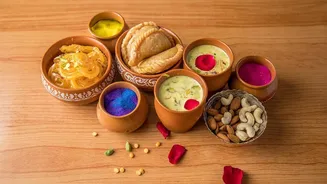

An Offering of Sweetness and Devotion
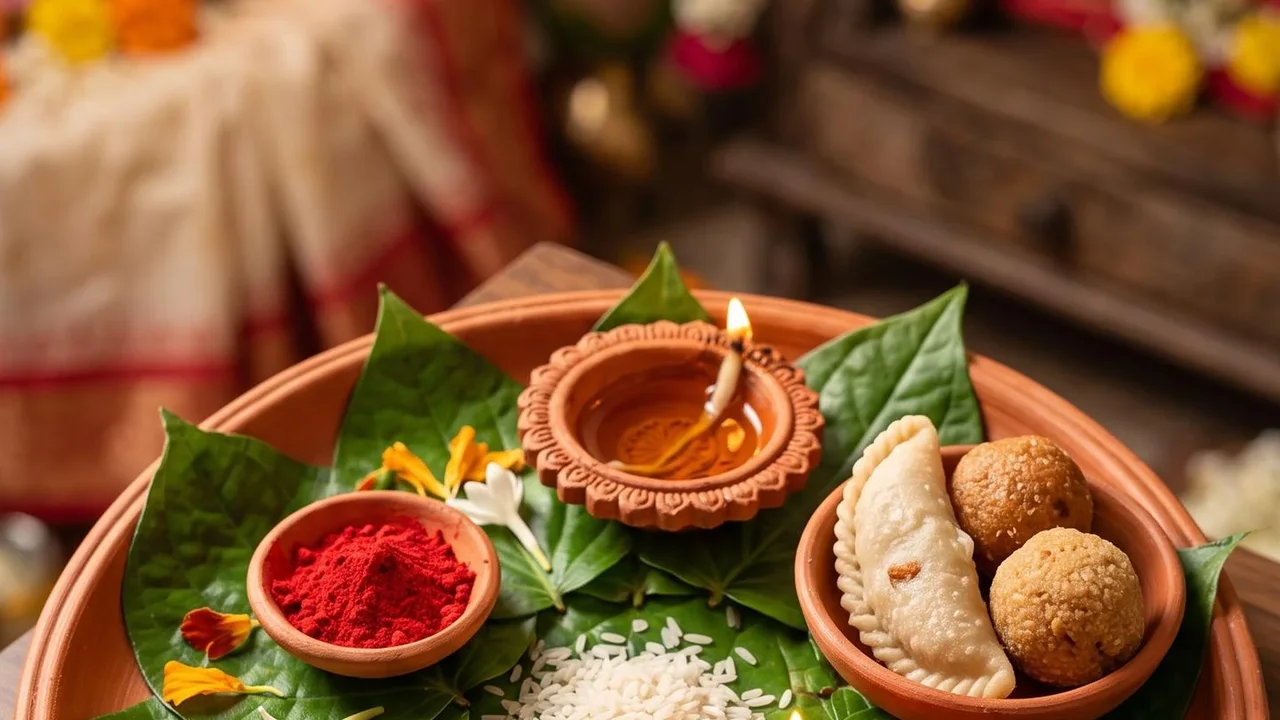
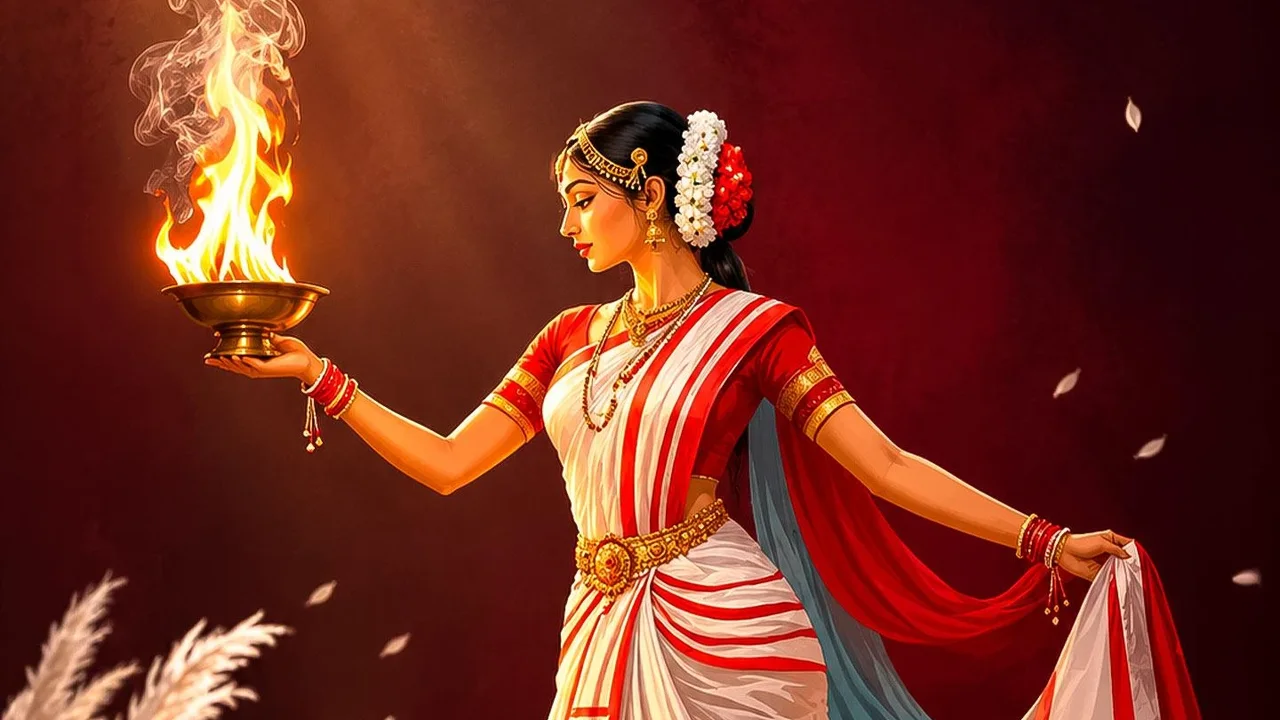
In Bengali culture, food and festivities are inseparable, and during Durga Puja, sweets, or 'mishti', take centre stage. They are not merely for indulgence but are deeply woven into the fabric of rituals. Sweets are a primary component of 'bhog'—the sacred
food offered to Goddess Durga as a symbol of purity, devotion, and gratitude. This act of offering connects worshippers to the divine, and sharing the blessed sweets, or 'prasad', fosters a sense of togetherness among family, friends, and the wider community. A box of sandesh or rosogolla is the quintessential gift when visiting relatives, a gesture of warmth and shared joy that is central to the festive spirit. This tradition underscores that sweets are not just about satisfying a craving; they represent hospitality, community, and reverence.
The Moira: Keepers of a Sweet Legacy
At the heart of this tradition are the 'moiras', the traditional confectioners of Bengal who have been the custodians of these recipes for generations. Historically a caste-based profession, the craft of the moira involves immense skill, patience, and an intuitive understanding of ingredients. Legends surrounding the origins of famous sweets like the Monohora often point to the ingenuity of a local moira tasked by a zamindar to create something unique. These artisans work with humble ingredients—primarily milk, chhena (fresh cottage cheese), sugar, and jaggery—transforming them into an astonishing variety of textures and flavours. From kneading chhena to the perfect consistency to carefully preparing sugar syrups, their techniques have been passed down through families, preserving the authenticity that defines Bengali mishti.
The Unmistakable Taste of Pujo
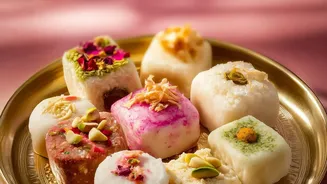
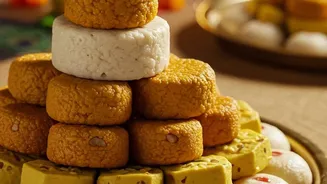
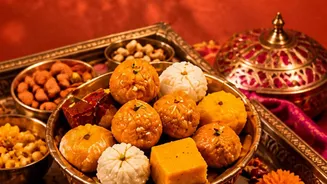
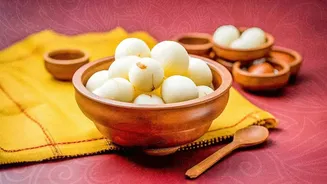
While the pantheon of Bengali sweets is vast, some are inextricably linked to the Durga Puja experience. Narkel Naru, simple yet beloved round laddoos made from grated coconut and jaggery or sugar, are a household staple and a common bhog offering, symbolizing purity and auspiciousness. Another icon is the Sandesh, a delicate sweet made from fresh chhena. It appears in countless forms, from the simple 'makha sandesh' to the more ornate 'chhapa sandesh' pressed into beautiful moulds. Many sweet shops in Kolkata, like Girish Chandra Dey & Nakur Chandra Nandy, are famed for their vast range of sandesh. Then there is Mishti Doi, the classic sweetened yogurt, and Rosogolla, the spongy cheese balls soaked in light syrup, which has become a global ambassador for Bengali cuisine. These sweets are not just food items but cherished memories of Pujas past.
Regional Gems and Festive Specialities
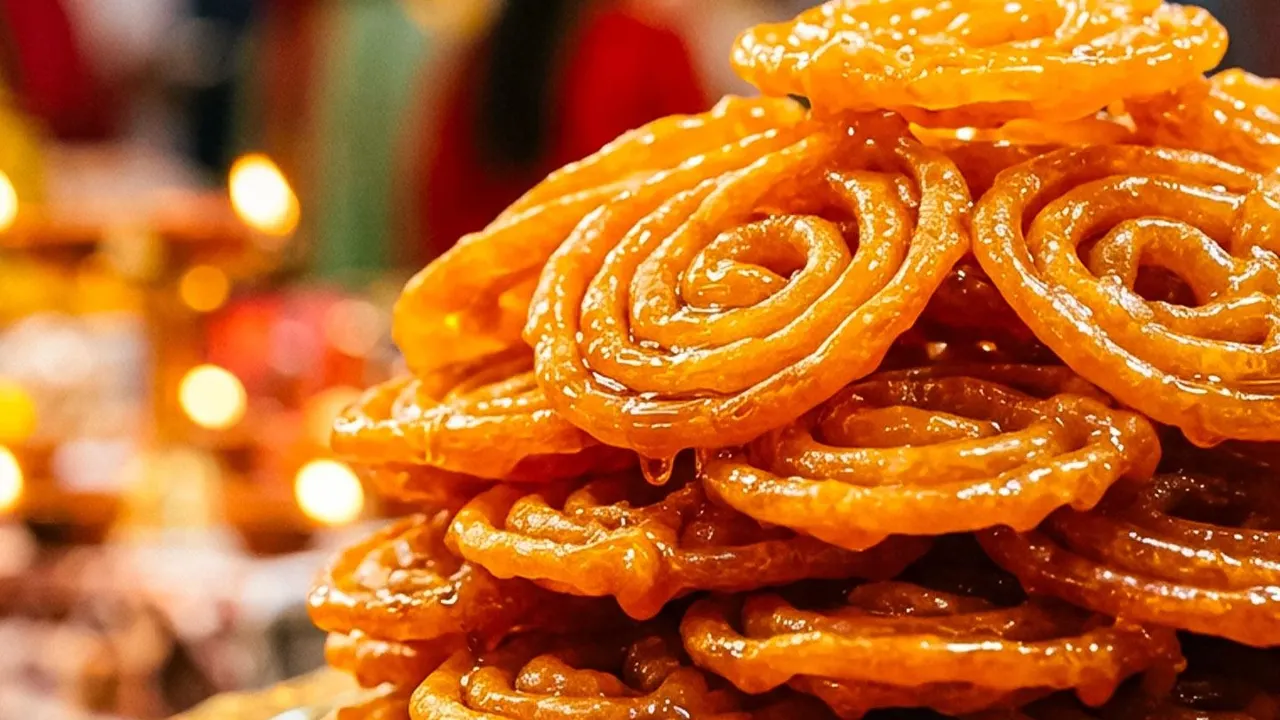
Beyond the well-known classics, regional sweetmakers contribute unique flavours to the festive table. In places like Bardhaman, specialities like Sitabhog and Mihidana are legendary. Chandannagar is famous for the Jolbhora Sandesh, a creation by the fabled Surjya Kumar Modak, which has a liquid jaggery centre that bursts forth in a delightful surprise. Other traditional delights that reappear during the festival include Pantua, a cousin of the Gulab Jamun; the layered Kheer Kadam; and the clove-spiked Lobongo Lotika. Many sweetmakers also craft special 'Agamani' or 'Saradiya' sandesh specifically to welcome the goddess, sometimes even introducing modern twists like butterscotch or fruit-flavoured sandesh to appeal to contemporary palates.