



What is This Humble Powerhouse?
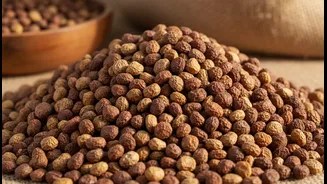
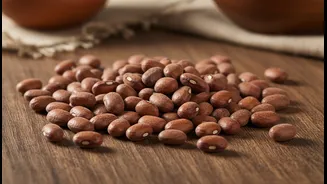
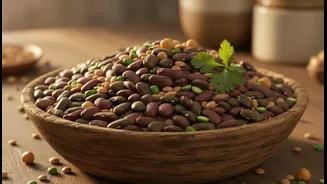
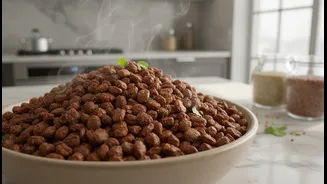
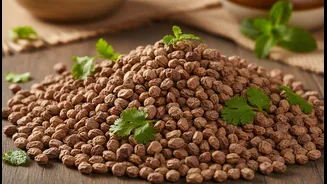
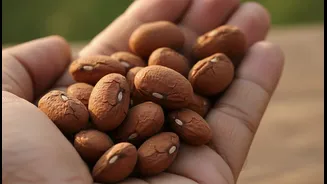
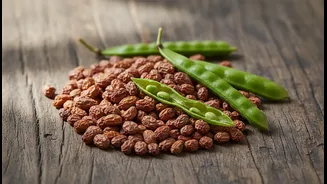
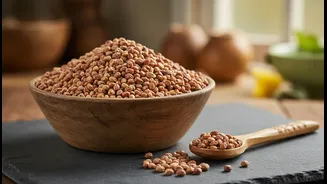
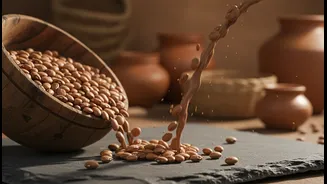
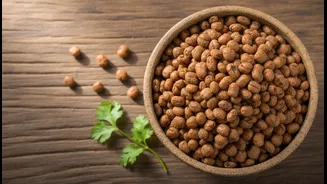
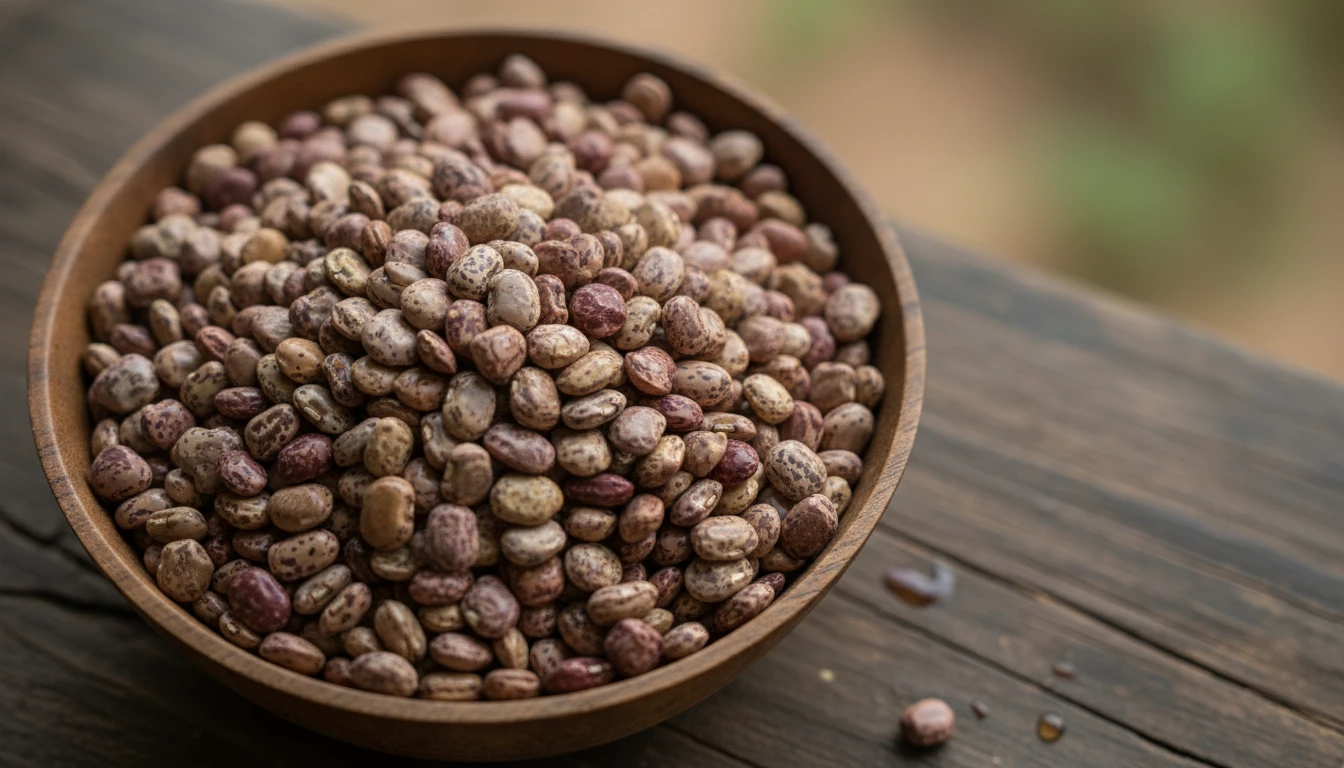
Known as 'kulthi' in Hindi, 'kollu' in Tamil, and 'ulavalu' in Telugu, horse gram (Macrotyloma uniflorum) is a small, hardy legume that has been cultivated in India for thousands of years. Archaeological evidence suggests its use dates back to 2500 BC.
Historically, it was often seen as a food for rural communities and, as its English name suggests, as fodder for cattle and horses due to its high energy content. But to dismiss it as mere animal feed is to overlook a rich culinary and medicinal history. This drought-resistant crop thrives in poor soil where others fail, making it a symbol of resilience. Its recent rediscovery by urban consumers and chefs is bringing it out of obscurity and into the spotlight as a 'superfood'.
A Nutritional Giant in a Tiny Package
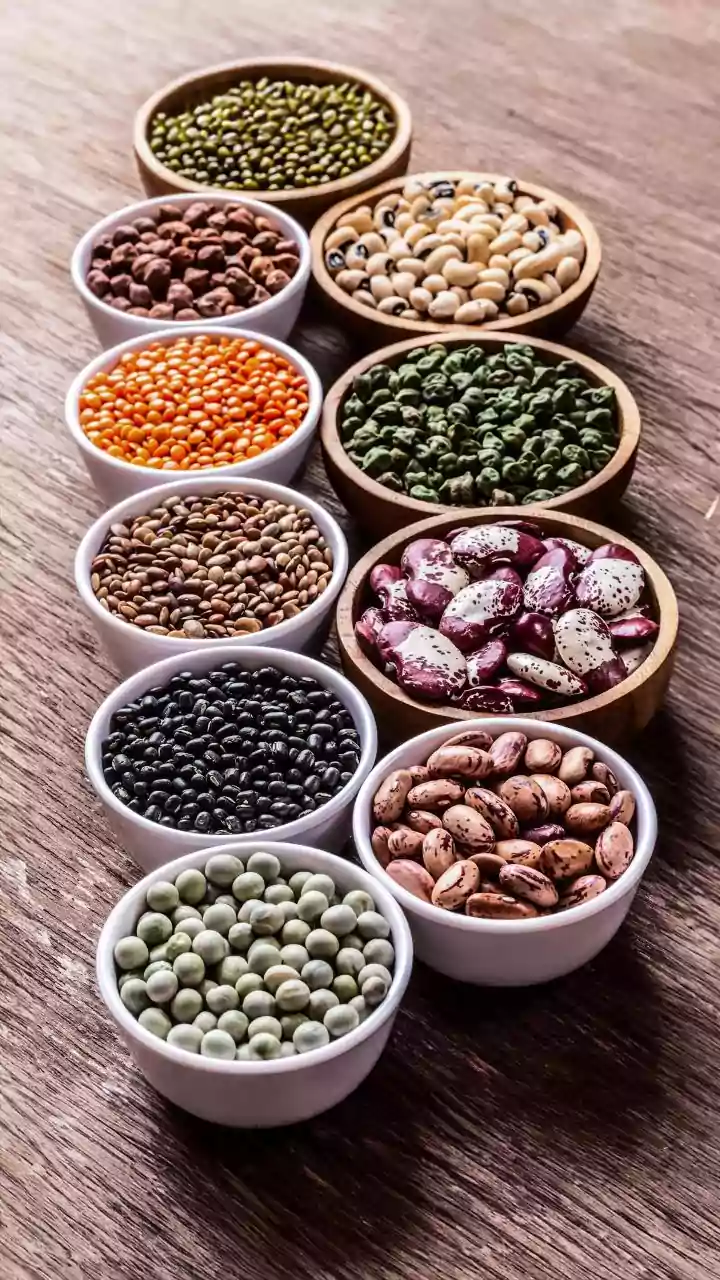
The renewed interest in horse gram is largely thanks to its impressive nutritional profile. It is one of the most protein-rich lentils available, with about 22 grams of protein per 100 grams. It's also an excellent source of dietary fibre, which aids digestion and promotes a feeling of fullness, making it beneficial for weight management. The legume is packed with essential minerals, boasting the highest calcium content among pulses, alongside significant amounts of iron, phosphorus, and molybdenum. Traditionally, Ayurveda has prized horse gram for its therapeutic properties, using it to address ailments like kidney stones, asthma, and colds. Modern science is catching up, with studies indicating its potential to help manage blood sugar levels due to its low glycemic index and antioxidant properties.
From Rural Staple to Urban Chic
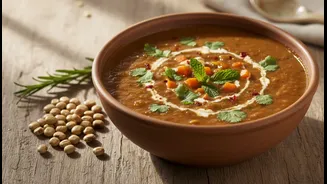
For generations, horse gram was a fixture in traditional Indian kitchens, especially during winter months for its warming properties. However, with the rise of modern, convenient foods, it faded from many urban dining tables. Now, a reverse trend is taking hold. Health-conscious millennials, chefs, and food entrepreneurs are championing this indigenous grain. No longer confined to simple dals, horse gram is being creatively incorporated into modern diets. You can find it ground into flour for parathas and idlis, sprouted for nutritious salads, blended into creamy soups, and even featured in energy-boosting smoothies. This culinary revival is transforming horse gram from a forgotten food into a symbol of smart, sustainable eating.
A Taste of Tradition Across India
The story of horse gram is woven into the diverse culinary fabric of India. In Tamil Nadu and other parts of South India, 'Kollu Rasam' is a peppery, tangy soup celebrated as a remedy for colds and a comfort food during monsoons. In Maharashtra, 'Kulith Pithle' is a hearty, porridge-like dish, while in Karnataka, 'Huruli Saaru' (a type of rasam) and 'Huruli Palya' (a dry side dish) are popular preparations. In the Himalayan regions, 'Gahat' soup provides much-needed warmth and nutrition in the cold. These regional recipes, passed down through generations, showcase the versatility of the legume and its deep cultural significance.
Why Its Comeback Matters Now
The resurgence of horse gram is more than just a passing food trend; it's a reflection of a larger cultural shift. As consumers increasingly seek out local, sustainable, and nutritious food options, ancient grains like horse gram are finding their rightful place. Its return to prominence represents a move away from imported 'superfoods' towards celebrating India's own rich agricultural and culinary heritage. The crop's drought-resistant nature makes it incredibly relevant in an era of climate change, offering a sustainable solution for farmers in arid regions. By embracing horse gram, we are not just choosing a healthier diet; we are supporting local ecosystems, preserving biodiversity, and reconnecting with the wisdom of our ancestors.