


The Humble Hero: An All-India Embrace
Khichdi, at its core, is a simple, soulful gruel of rice and lentils, and its history is as ancient as the subcontinent itself. [7] The name derives from the Sanskrit word 'khiccā', and evidence of its preparation dates back over two millennia. [2, 7] Greek
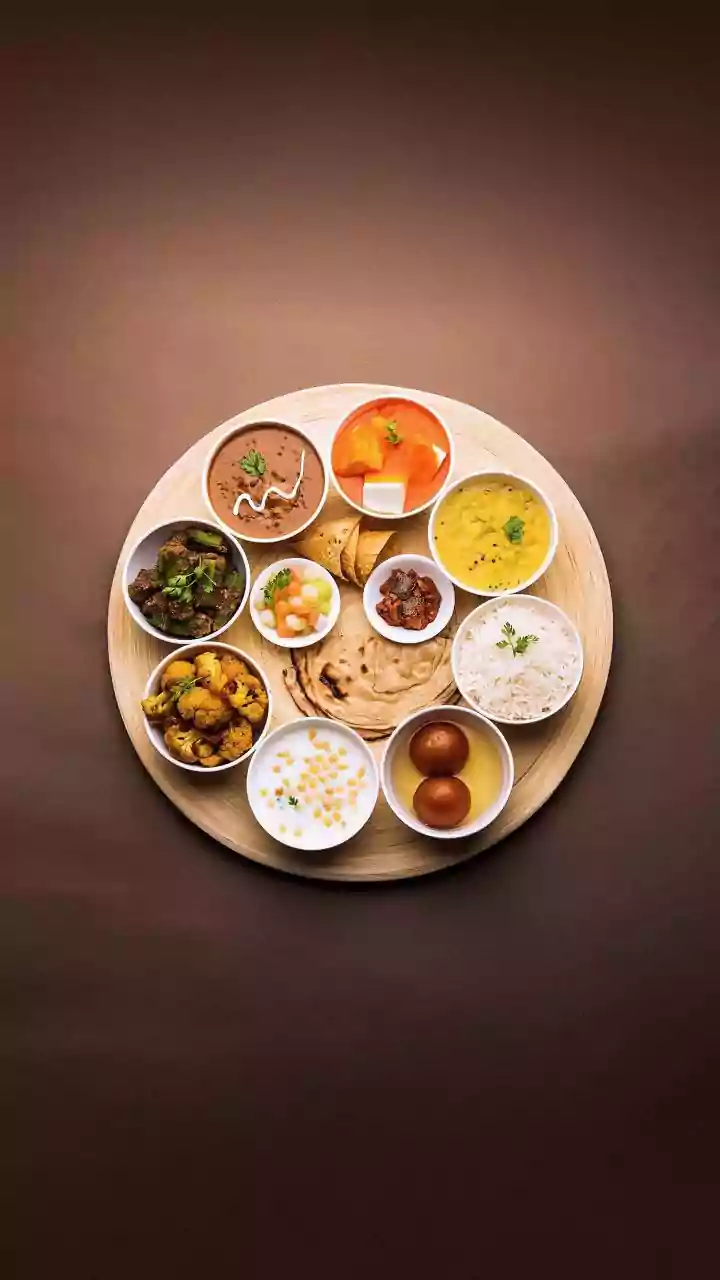
and Moroccan travelers noted its popularity centuries ago, and it even found favour in Mughal imperial kitchens, where Emperor Jahangir enjoyed a special version called 'Lazeezan'. [2, 20] Known as one of the first solid foods for babies and a comforting meal for the unwell, khichdi is a unifier. [2] It's the culinary equivalent of a warm hug, a dish that proves that the simplest things are often the most profound. Its adaptability is its genius, allowing it to become a canvas for regional tastes, ingredients, and traditions.
The Eastern Delight: Bengal's Bhoger Khichuri
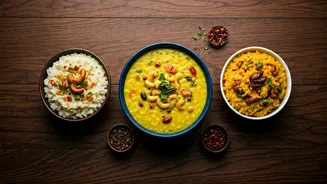
Travel east to West Bengal, and the simple khichdi transforms into the celebratory 'Bhoger Khichuri'. [4] This isn't just food; it's an offering ('bhog') during religious festivals like Durga and Saraswati Puja. [4, 21] Made with fragrant, short-grained Gobindobhog rice and dry-roasted moong dal, it has a distinctly rich aroma and a slightly sweet undertone. [10, 21] This version is 'niramish' (vegetarian, without onion or garlic), and it’s slow-cooked with a medley of vegetables like cauliflower, potatoes, and green peas. [4] The magic is in the tempering: a generous amount of ghee and mustard oil sizzles with spices like cinnamon, cloves, bay leaves, and dried red chillies, creating a complex, aromatic base. [10, 15] It's often garnished with fried cashews and raisins, elevating it from a simple meal to a festive feast. [10]
The Western Wonder: Gujarat's Vaghareli Khichdi
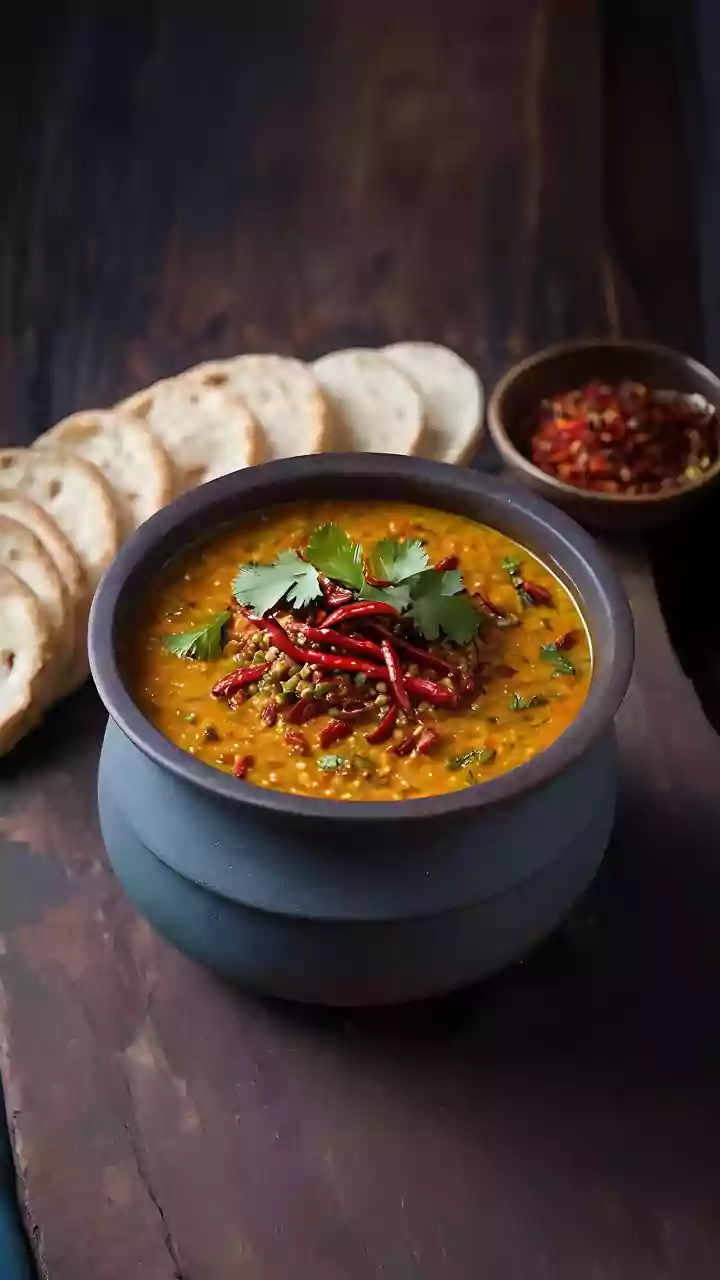
In Gujarat, khichdi sheds its gentle persona for a bolder, spicier avatar known as 'Vaghareli Khichdi', meaning 'tempered khichdi'. [3, 5] While the base of rice and dal (often toor dal) remains, this version is a robust one-pot meal packed with vegetables like potatoes, carrots, and green pigeon peas (tuvar). [3, 9] The 'vaghar' or tempering is what defines it. [3] Oil or ghee is heated, and a riot of whole spices—mustard seeds, cumin, cloves, cinnamon, and dried red chillies—are added, followed by aromatics like ginger, garlic, and onion. [3, 16] This flavourful base is then combined with the grains and vegetables, creating a dish that is savoury, spicy, and deeply satisfying. It’s often served with a cool bowl of curd or a tangy 'kadhi' (a yogurt-based curry), perfectly balancing the spice. [6]
The Southern Classic: Tamil Nadu's Pongal
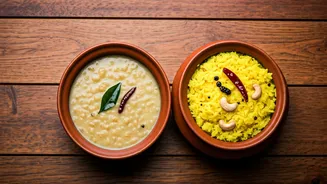
In the South, particularly Tamil Nadu, the closest and most beloved relative of khichdi is Pongal. The name itself, meaning 'to boil over,' signifies abundance and is central to the harvest festival of the same name. [13, 22] There are two primary versions. 'Ven Pongal' (white pongal) is the savoury variant, strikingly similar to khichdi but with its own distinct character. [13] It's a creamy porridge of rice and moong dal, enriched with a generous amount of ghee and tempered with whole black peppercorns, cumin, ginger, and cashews. [6, 13] It's a popular breakfast dish, often served with coconut chutney and sambar. [6] Then there is 'Sakkarai Pongal' (sweet pongal), a festive dessert made with jaggery, milk, and cardamom, offered as 'prasadam' or a divine offering. [13, 25] Both versions showcase a different side of the same core concept: a celebrated dish of rice and lentils. [18]