




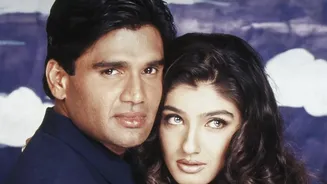

When the Box Office Was King
For decades, the measure of a Bollywood film's success was simple: its theatrical box office collection. Producers, distributors, and exhibitors operated in a high-stakes ecosystem where the first few weeks determined everything. The coveted '100-crore
club' was the ultimate benchmark, and a film's performance at the ticket window was the primary, and often only, significant revenue source. This model created a clear-cut dynamic of 'hit' or 'flop', where a movie's cultural and financial life was intense but brutally short. Once it left theatres, a film's ability to earn and engage with audiences diminished dramatically, save for occasional television screenings.
The Streaming Revolution's Second Act
The arrival of Over-The-Top (OTT) streaming services like Netflix, Prime Video, and Disney+ Hotstar fundamentally rewrote the rules. These platforms became a lifeline, offering producers a guaranteed, often substantial, payday for digital rights. This created a vital safety net, allowing filmmakers to de-risk their projects by sometimes recovering a large part of their budget before the film even hits theatres. More importantly, OTT gave films a second, more intimate premiere in living rooms across the country and the globe. Films that had a modest or unsuccessful theatrical run found a new, appreciative audience online. Titles like 'Laal Singh Chaddha', 'An Action Hero', and 'Sonchiriya', which struggled at the box office, were rediscovered and celebrated on streaming platforms, proving that a film's appeal isn't always captured in its opening weekend.
Don’t Touch That Remote: The TV Lifeline
Long before streaming, satellite television was the original 'second window' for a film. While the value of satellite rights has seen a decline since the boom of OTT, it remains a crucial and steady revenue stream. Broadcasters pay for the rights to premiere films on television channels, reaching a vast family audience that may not frequent cinemas. The classic example is 'Sooryavansham', a box office flop from 1999 that has achieved legendary status through its repeated airings on Set Max, becoming a cultural touchstone and a significant earner for the channel. This demonstrates the enduring power of television to keep a film in the public consciousness for years, even decades, after its theatrical run.
The Enduring Power of the Playlist
In Bollywood, a film's music is not just a soundtrack; it's a standalone cultural product. Music rights are sold separately and represent a significant, long-term source of income. A hit album can keep a film relevant long after its story has faded from memory. In the digital age, this has only intensified. Revenue flows in from streaming platforms like Spotify and Gaana, YouTube monetisation, and social media trends where songs become the backdrop for millions of reels and shorts. The music of a film like 'Laila Majnu', which didn't perform well in theatres, became a sensation online, giving the film a cult following years later. This ensures that even if the film itself is forgotten, its sound continues to generate revenue and engagement.
From Theatres to Timelines
The modern film audience doesn't just watch; it participates. Social media has created a perpetual conversation around films. Memes, fan edits, and viral clips give scenes and dialogues a life of their own, completely detached from the film's initial release. This digital word-of-mouth can rescue a movie from obscurity or grant it cult status. A film that went unnoticed in theatres can suddenly trend because a new generation discovers it on a streaming platform and shares it online. This continuous engagement ensures that a film is no longer a static product with a fixed shelf life. It is a living piece of content, constantly being reinterpreted, discussed, and discovered by new audiences in an ever-expanding digital ecosystem.