






Decoding Zone 2 Training
Before diving into the benefits, let's clarify what 'Zone 2' means. Exercise is often categorized into five heart rate zones, from very light activity (Zone 1) to maximum effort (Zone 5). Zone 2 is the 'endurance' or 'aerobic' zone, typically sitting
between 60% and 70% of your maximum heart rate. The simplest way to know you're in Zone 2 is the 'talk test': you should be able to hold a full conversation without gasping for breath. This moderate intensity is the sweet spot where your body becomes incredibly efficient at using fat for fuel and builds a strong aerobic base. It’s not about pushing to your absolute limit; it's about maintaining a steady, conversational pace for a longer duration, which enhances mitochondrial function and cardiovascular health without excessive stress.
The Problem with 'All-Out' HIIT
High-Intensity Interval Training involves short, explosive bursts of exercise followed by brief recovery periods. It’s undeniably effective for burning calories and improving fitness in a short amount of time. However, the 'heavy' or high-impact versions of HIIT, which often include movements like burpees, box jumps, and sprints, come with risks. The explosive nature of these exercises places significant stress on joints, muscles, and tendons, increasing the potential for sprains and strains, especially if form falters under fatigue. Relying solely on intense HIIT can also lead to overtraining, mental burnout, and central nervous system fatigue, potentially disrupting sleep and recovery. The goal isn't to demonize HIIT, but to recognize that an all-or-nothing approach can be a recipe for injury.
Why the Rower Is Ideal for Zone 2
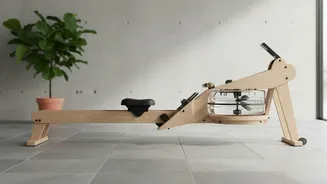
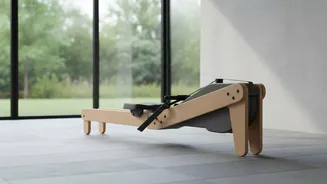
The indoor rower is an almost perfect tool for Zone 2 training. First and foremost, it’s a low-impact exercise. Because you are seated, and the motion is fluid, rowing eliminates the pounding stress on your knees, hips, and ankles that you get from running or jumping. This makes it a fantastic option for people of all fitness levels, including those nursing injuries or concerned about joint health. Second, it delivers a full-body workout, engaging up to 85% of your body's muscles, from your legs and glutes to your core and upper back. This widespread muscle engagement allows you to elevate your heart rate into Zone 2 efficiently without having to move at an uncomfortably fast pace. It's easy to maintain a consistent intensity, making it simple to lock into your target heart rate and stay there.
The Safety and Sustainability Advantage
When comparing the two, the safety advantage of Zone 2 rowing becomes clear. Heavy HIIT often prioritizes speed and intensity, where the risk of a misstep or poor form can lead to acute injury. Zone 2 rowing, by contrast, is a controlled, rhythmic activity. The focus is on consistency and duration, not explosive power. This deliberate pace minimizes injury risk and promotes better long-term joint health. Furthermore, the recovery demands of a Zone 2 session are significantly lower than those of an all-out HIIT workout. You can perform Zone 2 workouts more frequently without feeling drained or risking overtraining, making it a more sustainable practice for building lifelong fitness. It builds your aerobic engine, which can even improve your performance and resilience when you do choose to engage in higher-intensity activities.
Getting Started with Zone 2 Rowing
Ready to try it? First, find your Zone 2 heart rate. A simple estimate for your maximum heart rate is 220 minus your age. Your Zone 2 range will be 60-70% of that number. For example, a 40-year-old would have an estimated max heart rate of 180, putting their Zone 2 between 108 and 126 beats per minute. When you get on the rower, aim for a low stroke rate, typically around 18-22 strokes per minute, and focus on maintaining that conversational effort level. A good starting point is to aim for two or three 30-minute sessions per week, building up your duration over time as your endurance improves. Remember to focus on your form and enjoy the steady rhythm.