



The Soul of the Saree
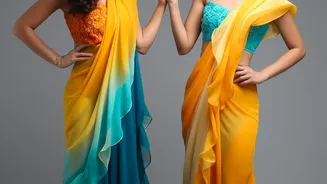
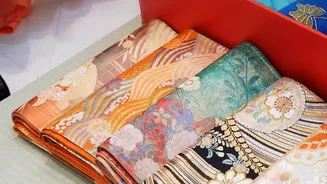
A saree is rarely just a piece of fabric; it's a repository of emotion, tradition, and personal history. From a grandmother’s wedding Kanjeevaram to a mother's everyday cotton print, these garments carry sentimental value that makes them difficult to discard.
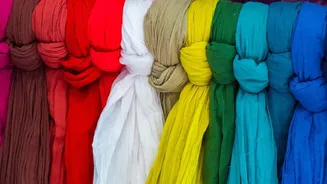
The sheer variety of weaves, colours, and textures—from breezy chiffons to opulent Banarasi silks—makes them a rich resource for creative reuse. This emotional and material wealth is the starting point for their transformation. Instead of letting them fade in storage, upcycling honours their history by integrating them into the daily life of a home in a new, functional way.
From Wardrobe to Workshop
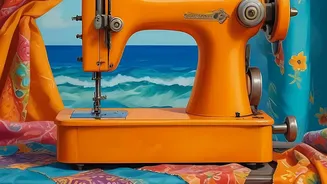
The journey begins when a pre-loved saree arrives at a small textile workshop. These workshops are often hubs of creativity, run by artisans and entrepreneurs dedicated to sustainable practices. Some businesses, like the Quilt Collective in Pune, work with sarees provided by clients who want to create a 'memory quilt' or, in this case, a memory curtain from a family heirloom. Others source sarees from various places, including textile factory surplus, giving a new purpose to what might have been considered waste. Upon arrival, each saree is carefully inspected. The fabric's strength, the condition of the embroidery or print, and any signs of wear are assessed to determine its suitability and the best way to feature its most beautiful elements.
The Art of Bespoke Transformation
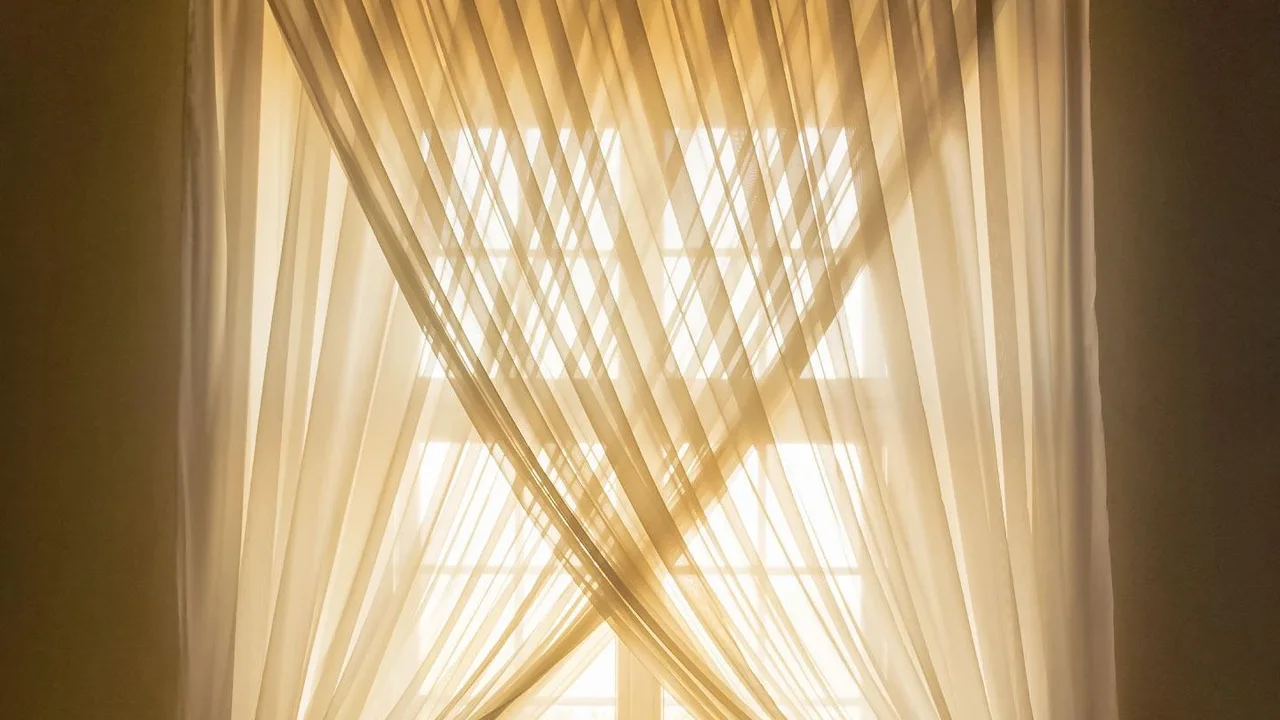
Turning a five-to-nine-yard saree into a structured drapery system is a masterclass in thoughtful design. The process is far more complex than simply hemming the fabric. Artisans must first clean and meticulously repair the saree. The core of the creative work lies in planning the cuts to maximize the beauty of the pallu, borders, and motifs. For a high-end look, multiple sarees may be combined in a patchwork style to create a single, cohesive panel. This often involves a detailed consultation with the client to match colours and patterns to their interior decor. To ensure durability and an elegant drape, a lining is often added, especially for lighter fabrics like georgette or silk. This not only protects the delicate vintage fabric but also provides the weight needed for a professional finish.
A Symphony of Skill and Sustainability
These workshops are about more than just recycling; they are about reviving craft and empowering communities. The process demands a range of skills, from a designer's eye for composition to a tailor's precise stitching. Many of these enterprises provide livelihoods for local artisans, particularly women, helping to preserve traditional textile skills that might otherwise be lost. By focusing on custom, high-end products, they create a viable business model that values quality craftsmanship over mass production. This approach taps into a growing consumer desire for unique, story-rich items that align with a philosophy of conscious consumption and sustainability, reducing textile waste one beautiful curtain at a time.