




The Cold-Pressed Advantage
Before diving into regional specialties, it's important to understand what makes cold-pressed oils different. Unlike refined oils, which are extracted using high heat and chemical solvents, cold-pressed oils are produced through mechanical pressing at low
temperatures. This gentle process ensures the oil retains its natural flavour, aroma, and crucially, its nutritional profile. Cold-pressed oils are richer in antioxidants, vitamins, and healthy fats, which are often stripped away during the refining process. This means you get an oil that is not only more flavourful but also closer to its natural state.
Mustard Oil: The Pungent Powerhouse of the North and East
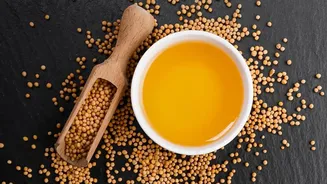
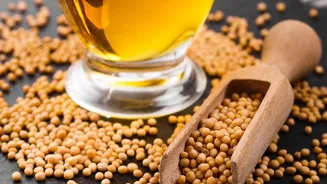
Known for its sharp, pungent aroma and flavour, cold-pressed mustard oil is a cornerstone of North and East Indian cooking, particularly in Bengal, Punjab, Bihar, and Uttar Pradesh. Its high smoke point makes it ideal for deep-frying and tempering (tadka). This oil's distinctive character is indispensable in dishes like Bengali fish curries (Shorshe Maach) and Punjab's iconic Sarson da Saag. It's also the traditional choice for making pickles, as its natural preservative properties are highly valued. Rich in heart-healthy monounsaturated and polyunsaturated fats, including Omega-3s, mustard oil is a choice that connects taste with tradition and wellness.
Sesame Oil: The Aromatic Soul of the South
In South India, particularly in Tamil Nadu where it is affectionately called 'nalla ennai' or 'good oil', sesame oil is a cherished ingredient. Its nutty, earthy flavour enhances a wide range of dishes. It's used for tempering spices in sambar and rasam, mixed with 'podi' to accompany idlis and dosas, and forms the base for many pickles and rice preparations like puliyogare. Cold-pressed sesame oil, also known as gingelly oil, retains beneficial antioxidants like sesamol and is rich in nutrients like magnesium and calcium. Its use is not just culinary; it holds a significant place in Ayurveda for its therapeutic properties.
Groundnut Oil: The Versatile Workhorse of the West
Cold-pressed groundnut oil, or peanut oil, is the go-to choice in Western and parts of Southern India, especially in Gujarat, Maharashtra, and Andhra Pradesh. Its mild, slightly nutty flavour makes it incredibly versatile, and it doesn't overpower the other ingredients in a dish. This makes it an excellent all-purpose oil for daily cooking, from tempering dals and making vegetable sabzis to shallow-frying snacks like poha and chivda. As a good source of monounsaturated fats and Vitamin E, groundnut oil offers a stable and healthy option for a wide variety of cooking methods, seamlessly fitting into the food landscape of the region.
Making the Right Choice for Your Kitchen
Choosing the right oil is about matching it to the cuisine. A Bengali fish curry won't taste the same without mustard oil, just as a South Indian 'podi' needs the embrace of sesame oil. For those who cook a variety of Indian regional foods, having two or three of these oils is a practical approach. Use groundnut oil as your versatile, everyday staple for everything from sabzis to shallow frying. Keep mustard oil for those North and East Indian specialties that demand its bold flavour, and use sesame oil to bring authentic South Indian aromas to your table. By doing so, you're not just cooking; you're preserving and celebrating India's rich culinary diversity.