



Plan the Unplannable: Essentials First
Spontaneity is the goal, but a little prep goes a long way. Before you go, ensure your passport has at least six months of validity. For Indian citizens, securing a visa is essential. As of 2026, the 90-day e-visa is the most common option and should
be applied for in advance. While you can get a visa-on-arrival, you still need a pre-approval letter. Don't leave this to the last minute. Also, arrange travel insurance. With these essentials sorted, you are free to let the journey unfold.
Finding a Bed for the Night
Worried about where you'll sleep? Don't be. Vietnam has an abundance of accommodation for every budget, and you rarely need to book far in advance, especially outside of the peak Tet holiday. In cities like Hanoi and Ho Chi Minh City, you can find hostel dorm beds for as little as $6-15 USD per night and private rooms in budget hotels for $20-45 USD. Look for local guesthouses, called 'nhà nghỉ', for simple, clean, and cheap lodging. Booking apps are your friend here; you can often find and book a room for the same day with no trouble at all. Arrive in a city, grab a coffee, and book your stay for the night from your phone.
Getting Around Without the Hassle
Vietnam's transport network is extensive and budget-friendly. For long distances, sleeper buses are a popular, cost-effective choice that also saves you a night's accommodation cost. The Reunification Express train offers a more scenic and comfortable journey along the coast, with soft-sleeper berths being a great option for overnight trips between major hubs like Hanoi and Da Nang. For booking these, you typically only need to book a day or two in advance at the station or through local travel agents. Within cities, ride-hailing apps like Grab are indispensable for cheap and easy motorbike or car rides.
Feast Like a King on a Pauper's Budget
The best food in Vietnam is often the cheapest. Street food is a way of life here and offers an incredible culinary adventure for just a few dollars. A steaming bowl of phở might cost $1.50-$3, while a delicious banh mi sandwich can be as little as $1-$2. Eating at street stalls or in bustling local markets is not just a money-saver; it's the most authentic way to experience Vietnamese cuisine. A daily food budget of $10-15 can have you eating exceptionally well. Simply pull up a plastic stool at a busy vendor and point to what looks good.
A Flexible One-Week Itinerary
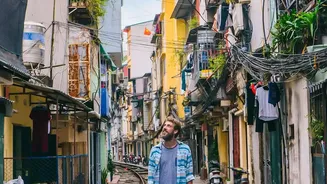
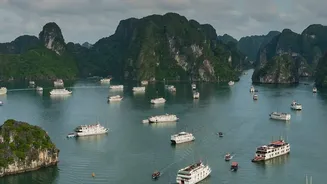
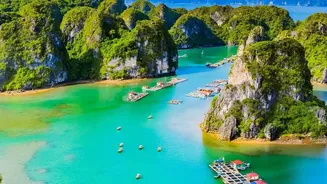
So, what does a spontaneous week look like? Pick a region. For a northern focus, fly into Hanoi. Spend two days exploring the Old Quarter's charm. Then, book a two-day, one-night trip to Ha Long Bay from a local agent (no need to pre-book online). Return to Hanoi for a day before flying home. For a southern experience, start in Ho Chi Minh City. Spend three days exploring the city's history and vibrant energy. Take a day trip or an overnight trip to the Mekong Delta, easily booked from a tour operator in the city's backpacker district. This approach keeps you from being locked into a strict schedule, allowing for detours and discoveries.