







More Than Just a Lack of Rain
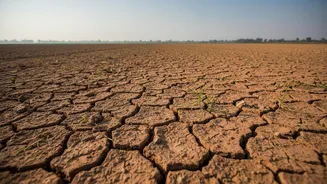
A 'rainfall gap', also known as a monsoon 'break', isn't about a failed monsoon season overall. Instead, it refers to prolonged dry spells that occur within the June-to-September monsoon period. While the total seasonal rainfall might look normal on paper,
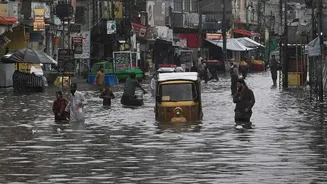
the distribution is becoming increasingly erratic. Climate change is a key driver, warming the air and allowing it to hold more moisture, which is then released in intense, short bursts rather than sustained showers. This pattern leads to periods of heavy, often damaging, floods followed by weeks of anxious, cloudless skies, creating a volatile environment for agriculture.
Crops Under Unprecedented Stress
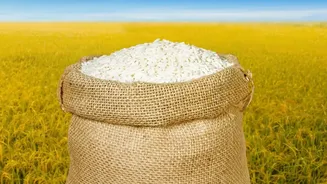
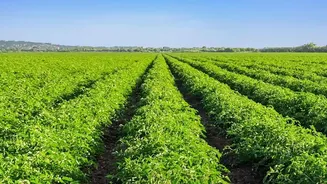
The timing of rainfall is critical for crops. A long dry spell during crucial growth stages, like tillering or flowering in rice, can be disastrous, even if the rains return later. Farmers face a difficult choice: sow seeds after the first showers and risk them drying out, or wait and risk a shorter growing season. Crops like soybean, cotton, and pulses are particularly vulnerable to this moisture stress. The result is stunted growth, reduced yields, and sometimes, total crop failure. This directly impacts the economic stability of the 120 million farmers whose livelihoods depend on rain-fed agriculture.
The Ripple Effect on Food Security
The impact of these rainfall gaps extends far beyond the individual farm. Reduced yields put pressure on the nation's food supply, potentially leading to higher food prices for everyone. The uneven rainfall also affects the replenishment of reservoirs and groundwater levels, which are crucial for irrigation during the dry rabi season. When farmers are forced to extract more groundwater to save their kharif crops, it depletes a finite resource, creating a vicious cycle of water scarcity. This growing unpredictability threatens India's overall food and water security, making it a national concern.
Adapting to a New Climate Reality
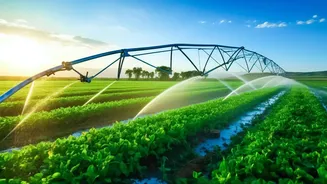
Fortunately, all is not lost. A multi-pronged approach is being explored to build resilience. Experts are urging a shift towards growing less water-intensive crops, such as millets and certain pulses, that are better suited to withstand dry spells. Investing in and expanding micro-irrigation technologies like drip and sprinkler systems can deliver water more efficiently, making the most of every drop. On a larger scale, creating farm ponds and check dams to harvest rainwater provides a crucial buffer during dry periods, reducing dependency on immediate rainfall. These low-cost structures have been shown to reduce yield losses by 30-60% in some areas.
The Path Forward: Policy and Prediction
Technology and policy must work hand-in-hand. While India's meteorological department provides broad forecasts, experts believe more localized and accessible weather predictions are needed to help farmers make timely decisions on the ground. Contingency plans, like those being developed in districts like Trichy, offer specific advice on shifting to alternative crops based on the timing and severity of a dry spell. Farmers have also called for policy changes that include compensation for crop losses, better access to climate-resilient seeds, and more efficient supply chains to mitigate the financial shocks from this new, erratic weather.