







The Rise of the Calorie
A calorie is a unit of energy, and for a long time, the diet equation seemed simple: burn more calories than you consume to lose weight. This basic principle of 'energy in, energy out' turned calorie tracking into a global phenomenon, powered by apps
that make it easy to log every bite. While this approach can create awareness about food intake, it oversimplifies the complexity of human biology. Our bodies are not simple calculators; how we process food is influenced by metabolism, hormones, gut bacteria, and the very nature of the food itself. Therefore, a diet built solely on hitting a calorie target might achieve a number, but it can miss the point of nutrition entirely.
The 'Empty Calorie' Trap
The core flaw in a calorie-centric view is that it treats all calories as equal. However, 300 calories from a soft drink and 300 calories from a meal of grilled chicken and vegetables have vastly different effects on the body. The soft drink provides a rush of sugar and 'empty calories'—energy with little to no nutritional value like vitamins, minerals, protein, or fibre. In contrast, the chicken and vegetables offer high-quality protein for muscle repair, fibre for digestive health, and a host of essential micronutrients that support everything from your immune system to bone health. Focusing only on the number can lead people to choose highly processed, low-nutrient foods simply because they fit within a daily calorie budget, potentially leading to nutrient deficiencies over time.
Nutrient Density: The Better Metric
A more effective way to assess food is through the lens of nutrient density. This concept measures the amount of beneficial nutrients—vitamins, minerals, and fibre—a food contains relative to its calorie content. Nutrient-dense foods pack the most health benefits into each bite. Think of leafy greens, berries, lean proteins, nuts, seeds, and whole grains. These foods support stable energy levels, promote satiety (the feeling of fullness), and reduce the risk of chronic diseases. Calorie-dense foods, like sweets and fried items, are the opposite; they are high in calories but nutritionally sparse. Shifting your focus from calorie counting to prioritising nutrient-dense foods naturally encourages healthier eating patterns without the obsessive tracking.
Beyond the Numbers Game
Relying heavily on calorie counting can also have a psychological downside. For some, it can foster an unhealthy relationship with food, leading to anxiety, guilt, and rigid thinking. Mealtimes can become a stressful math problem rather than a nourishing and enjoyable experience. This constant tracking can disconnect people from their natural hunger and fullness cues, making it harder to eat intuitively. In some cases, this hyper-focus on numbers can even contribute to disordered eating patterns. True wellness involves building a positive relationship with food, where choices are guided by nourishment and enjoyment, not just numbers on a screen.
How to Build a Nutrient-Adequate Diet
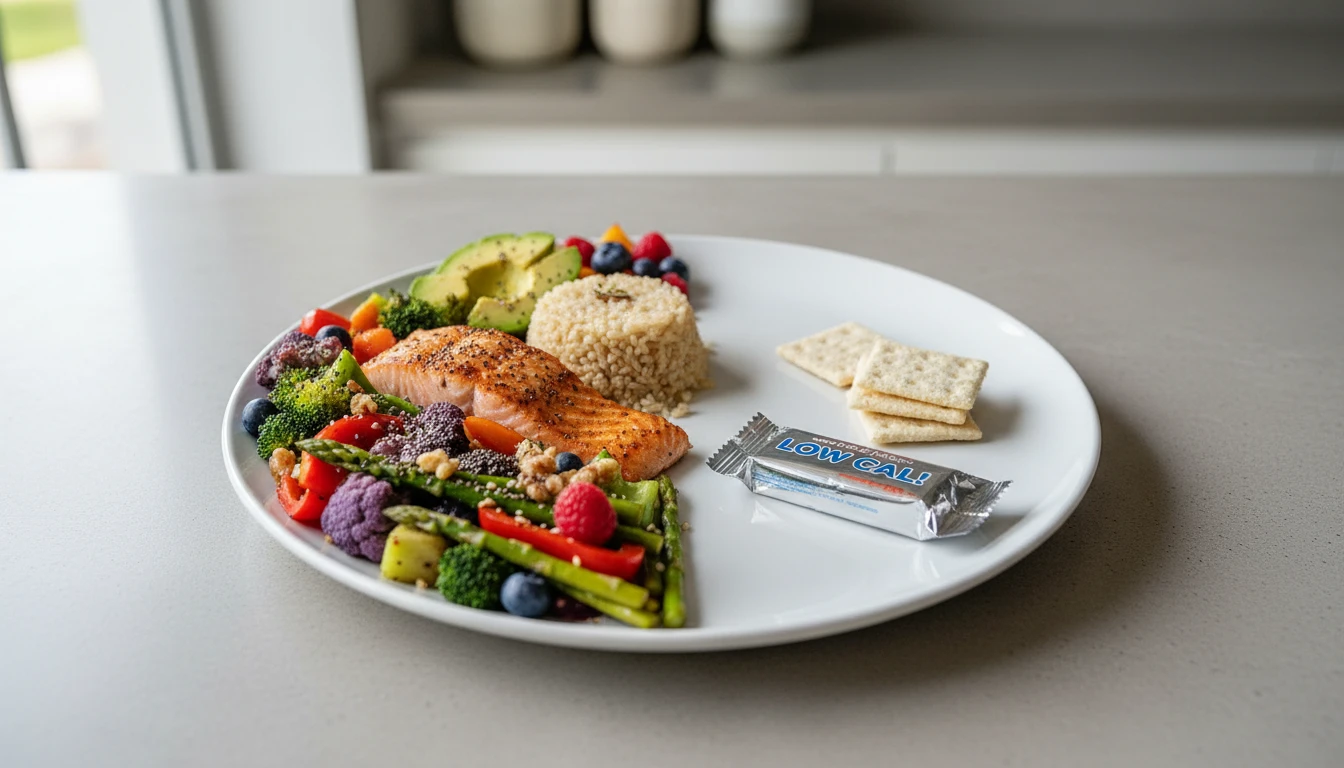
So, if not counting calories, what's the alternative? The focus should be on food quality and building sustainable habits. A simple, effective strategy is the 'plate method': aim to fill half your plate with non-starchy vegetables, a quarter with lean protein, and a quarter with whole grains or starchy vegetables. Other key principles include eating a variety of colourful fruits and vegetables ('eat the rainbow') to ensure a wide range of micronutrients, prioritising whole, unprocessed foods over packaged ones, and learning to recognise and honour your body's hunger and satiety signals. This approach promotes a balanced intake of macronutrients and micronutrients, creating a diet that is naturally nutritious without the need for constant calculation.