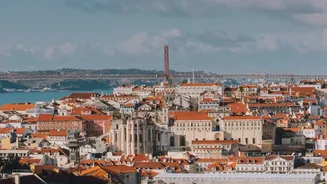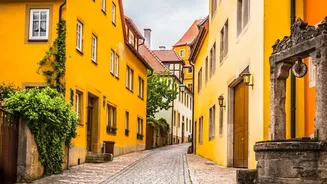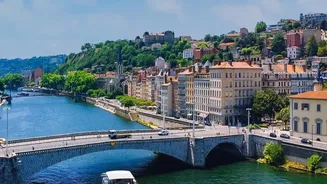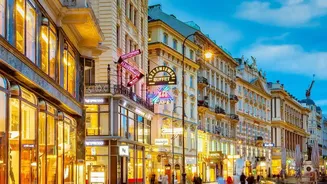


The word 'underrated' gets thrown around a lot in travel, but what does it really mean? Is it about fewer crowds, lower prices, or a vibe you can't find on social media? Let's unpack the term and discover some truly deserving cities.
Defining 'Underrated'
In travel, 'underrated'
has become a buzzword for anywhere that isn't Rome, Paris, or Barcelona. But the label is more nuanced than that. An underrated city isn't just a place with fewer tourists; it's a destination whose reality far exceeds its reputation. It’s a place that offers deep cultural experiences, vibrant local life, and a unique character that hasn't been diluted by mass tourism. These are cities where you can still feel a sense of discovery, where the main attractions aren’t surrounded by selfie sticks, and where your travel budget stretches further, allowing for more authentic interactions. The truly underrated city surprises you. It might lack a single world-famous monument but compensates with a lively atmosphere, a fantastic food scene, or a rich history that feels accessible and real. It's less about avoiding other travelers and more about finding a place that feels alive, genuine, and welcoming.
Ghent, Belgium: History Without The Hordes
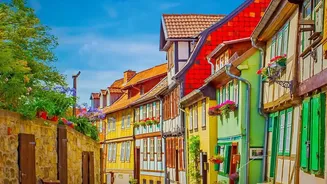
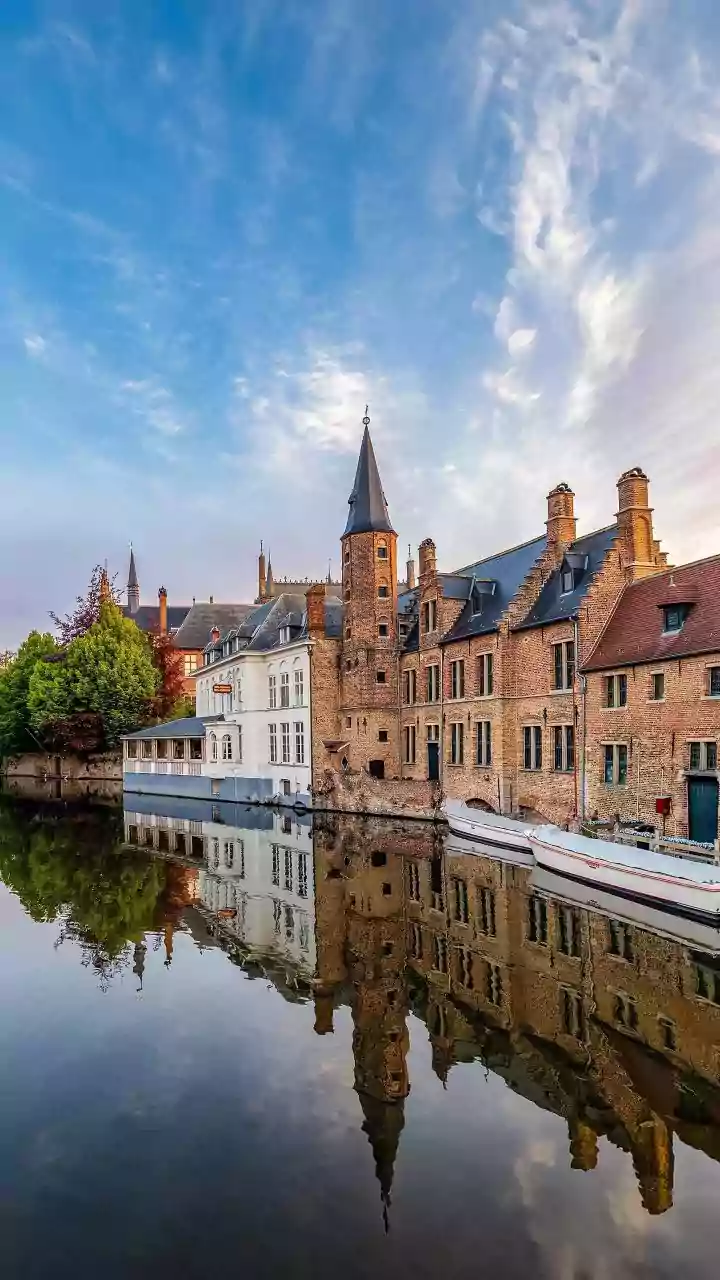
For decades, Bruges has been the fairytale star of Belgium, but nearby Ghent offers a similar medieval charm with a much more vibrant, lived-in feel. With a skyline of Gothic towers, guild houses reflected in canals, and a moated castle right in the centre, Ghent has all the historical beauty you could want. But as a major university city, it's also buzzing with energy. The Patershol neighborhood's cobblestone streets are filled with quirky restaurants and cozy bars, while the Graslei and Korenlei quays become a sprawling open-air living room at dusk, as students and locals gather by the water. Ghent proves that a city doesn't need to be a museum piece to be beautiful; its combination of stunning architecture and a dynamic, modern culture makes it a perfect example of an underrated gem.
Tirana, Albania: A Capital of Colorful Reinvention
Once a grey, isolated city under communist rule, Tirana has transformed into one of Europe's most vibrant and surprising capitals. Its streets are a mix of stark Soviet-era blocks, Italian architecture, and buildings painted in bold, cheerful colours. The city’s complex past is accessible through fascinating sites like Bunk'Art, a massive Cold War bunker converted into a history and art museum. But Tirana's real appeal is its forward-looking energy. The Blloku district, once off-limits to everyone but top party officials, is now the heart of a thriving café and bar scene. The newly revitalized Pyramid of Tirana, a former monument to a dictator, is now a colourful public space for people to climb and enjoy city views. Tirana is affordable, safe, and brimming with a youthful spirit, making it a truly underrated destination that challenges preconceptions.
Brno, Czech Republic: The Cool Younger Sibling
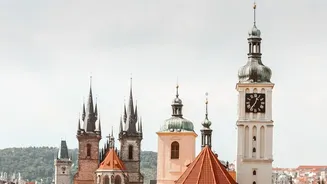
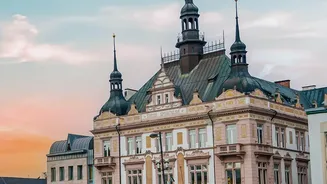
Prague is undeniably stunning, but its popularity can be overwhelming. Just a couple of hours away, the Czech Republic's second city, Brno, offers a more relaxed and arguably more authentic experience. As the capital of the Moravia region, it's a hub of culture, education, and excellent cafés. The compact city centre is easily walkable, with highlights like the imposing Špilberk Castle overlooking the city and the Cathedral of St. Peter and St. Paul. But the real reason to visit Brno is its atmosphere. The city has a massive student population that fuels a lively, creative scene. It's also the gateway to the South Moravian wine country, offering a different flavour from the rest of beer-dominant Czechia. Brno is a city you visit for the vibe, not just the sights, making it a compelling alternative to its more famous counterpart.