






The Fabric Foundation of Monsoon Style
Navigating the Indian monsoon requires more than just a sturdy umbrella. The combination of intense humidity, unexpected downpours, and warm temperatures creates a unique set of challenges for your wardrobe. The wrong fabric can turn a refreshing drizzle
into a sticky, uncomfortable ordeal, clinging to your skin and taking hours to dry. This is why seasoned style mavens know that the key to conquering the season isn't about avoiding the rain, but dressing for it intelligently. The right material will not only keep you comfortable by allowing your skin to breathe and drying quickly, but it will also ensure you look effortlessly put-together, no matter what the weather throws at you.
The Champions: Breathable and Quick-Drying
When the skies open up, these are the fabrics you can rely on. They form the core of a practical and chic monsoon wardrobe.Lightweight Cotton: A timeless favourite in India for a reason, fine cotton is a monsoon hero. It is breathable, allowing air to circulate and preventing that sticky feeling in high humidity. While pure, heavy cotton can absorb water and become cumbersome, lighter weaves like voile and mulmul are excellent choices. They absorb some moisture without feeling heavy and dry relatively quickly. Opt for darker colours or prints to cleverly hide any stray splashes.Rayon: Known for its silk-like feel and beautiful drape, rayon is another top contender. This semi-synthetic fabric is lightweight, breathable, and does not trap body heat, making it perfect for humid days. Crucially, it also dries quickly, which is a massive advantage during the rainy season. Flowy rayon dresses, kurtis, and blouses are fantastic for staying cool and stylish.Blends are Your Best Friend: Modern textile technology offers the best of both worlds. Cotton-polyester or cotton-rayon blends are monsoon superstars. They combine the natural comfort and breathability of cotton with the quick-drying, water-repellent properties of synthetics. These blends often resist wrinkling better than pure cotton, keeping you looking crisp.
The Synthetic Solution: Use with Care
Synthetic fabrics like polyester and nylon have a major advantage during the monsoon: they are hydrophobic, meaning they repel water and dry exceptionally fast. A nylon raincoat is a must-have, and polyester trousers can be a lifesaver on a commute, as they won't get waterlogged like other materials. However, there's a trade-off. In the high humidity that accompanies the Indian monsoon, pure polyester and nylon can trap heat and feel less breathable against the skin, sometimes leading to discomfort. A smart strategy is to use these fabrics selectively. For example, pair synthetic bottoms, which are more likely to get splashed, with a breathable cotton or rayon top to maintain overall comfort.
Wardrobe Warnings: Fabrics to Avoid
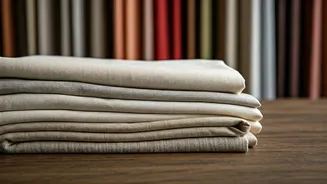
Just as important as knowing what to wear is knowing what to leave in the closet until the sunny days return. Certain fabrics are simply not built for the rain and humidity.Denim: This is a major monsoon mistake. Heavy and thick, denim absorbs a tremendous amount of water, becoming incredibly heavy and taking forever to dry. Walking around in damp, heavy jeans is the definition of uncomfortable.Heavy Silks: While beautiful, pure silk is delicate and reacts poorly to rainwater, which can cause permanent stains or spots. It also takes a long time to dry and can feel restrictive in humid weather.Linen: While pure linen is wonderfully breathable in dry heat, it has a tendency to wrinkle excessively and lose its shape when it gets damp. If you love the look, opt for a linen-blend that includes a synthetic like polyester to help it hold its structure and dry faster.Thick Knits and Wool: These are obvious no-gos. They absorb and hold moisture, becoming heavy, smelly, and impossible to dry in a humid environment.
Beyond the Fabric: Finishing Touches
Once you've got your fabric choice right, a few final considerations can perfect your monsoon look. Opt for shorter hemlines like cropped trousers, culottes, or knee-length dresses and skirts to avoid dragging them through muddy puddles. This is also the time to embrace vibrant, cheerful colours to brighten up gloomy days. When it comes to footwear, leave the leather and suede at home. Instead, choose stylish and practical rubber or PVC sandals, flats, and sliders that offer good grip and can handle getting wet.