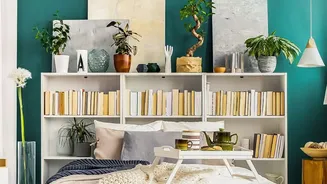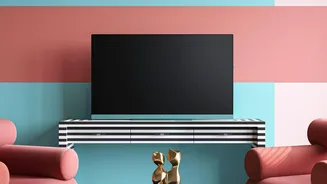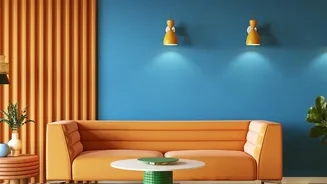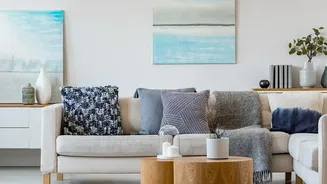

What Exactly Is Colour-Blocking?
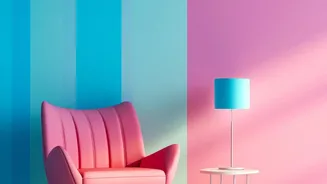
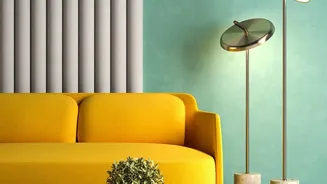
Colour-blocking is an interior design technique that uses two or more solid blocks of colour to create a visually striking effect. Originating in fashion, this trend has moved onto our walls, offering a fresh way to liven up a space. Unlike an all-over
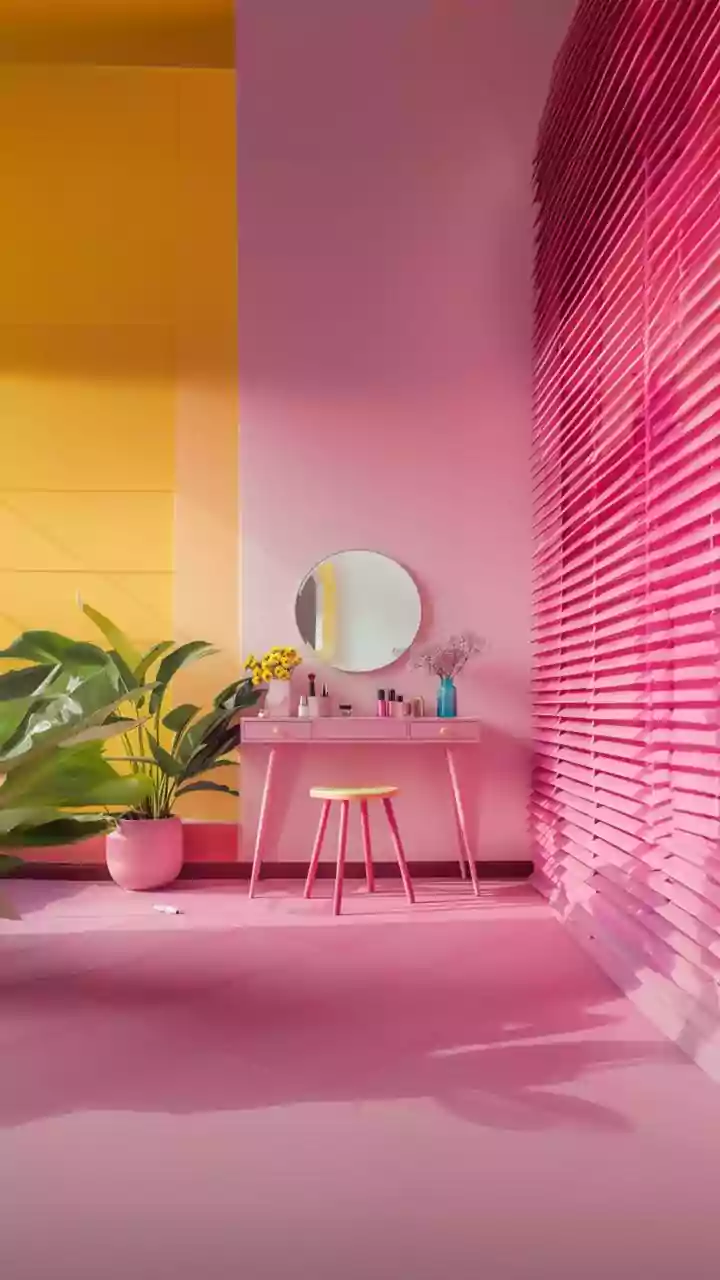
paint job or a complex mural, colour-blocking relies on the deliberate placement of distinct hues against each other to create structure, define features, and inject personality. The blocks can be geometric shapes like rectangles and circles, or they can follow architectural lines, such as splitting a wall horizontally or framing a doorway. The result is a look that feels intentional, artistic, and refreshingly modern.
The 'Instant Character' Effect
So, how does this technique add character so effectively? Firstly, it creates immediate focal points. A bold geometric shape or a contrasting accent wall naturally draws the eye, turning a plain wall into a design statement. Secondly, colour-blocking is a powerful tool for zoning open-plan areas. You can visually separate a dining area from a living room or carve out a cosy reading nook in the corner of a bedroom, all without building a single wall. It can also manipulate the perception of a room's size; vertical blocks can make a ceiling feel higher, while a darker colour on the lower half of a wall can make a space feel cosier and more grounded. This functional aspect is a key part of its appeal, making it both beautiful and practical.
Choosing Your Perfect Palette
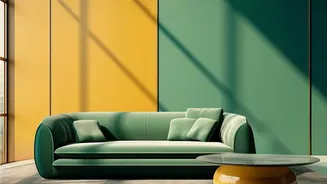
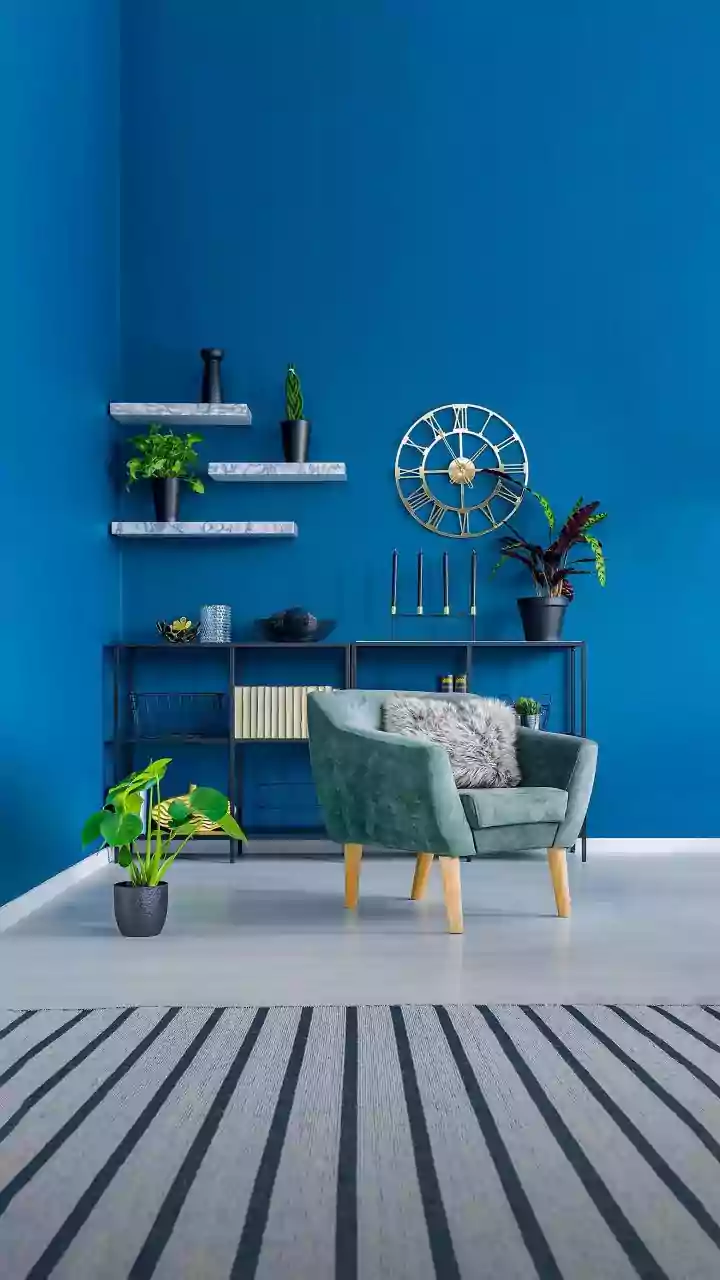
The key to successful colour-blocking lies in the palette. While there are no strict rules, limiting your selection to two or three colours plus a neutral often yields the most sophisticated result. For a high-impact look, choose complementary colours—those opposite each other on the colour wheel, like blue and orange. For a more subtle and harmonious effect, an analogous scheme using colours that sit next to each other, like blue and green, works beautifully. You can even create a chic monochromatic look by using different shades of the same colour. A great guideline for balance is the 60-30-10 rule: 60% of the room should be your dominant colour, 30% a secondary hue, and 10% a playful accent colour.
Wallpaper and Paint Techniques
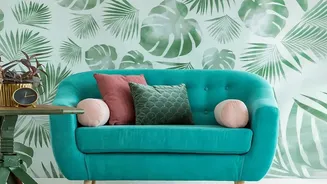
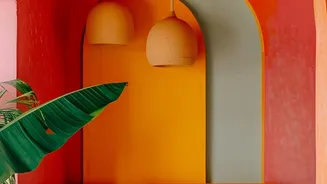
While paint and masking tape are the most common tools for colour-blocking, wallpapers offer an exciting alternative. You can combine a block of solid-coloured wallpaper with a painted wall for a mix of textures, or use two different but complementary wallpaper designs. As the headline suggests, this can be an easier way to introduce shapes and clean lines. Some popular techniques include the half-painted wall, where the wall is split horizontally, often with a darker colour on the bottom to anchor the space. You can also paint or wallpaper geometric shapes, create arches to frame furniture, or even extend a block of colour onto the ceiling for a dramatic, enveloping feel. This can add architectural interest where none existed before.
Integrating with Furniture and Decor
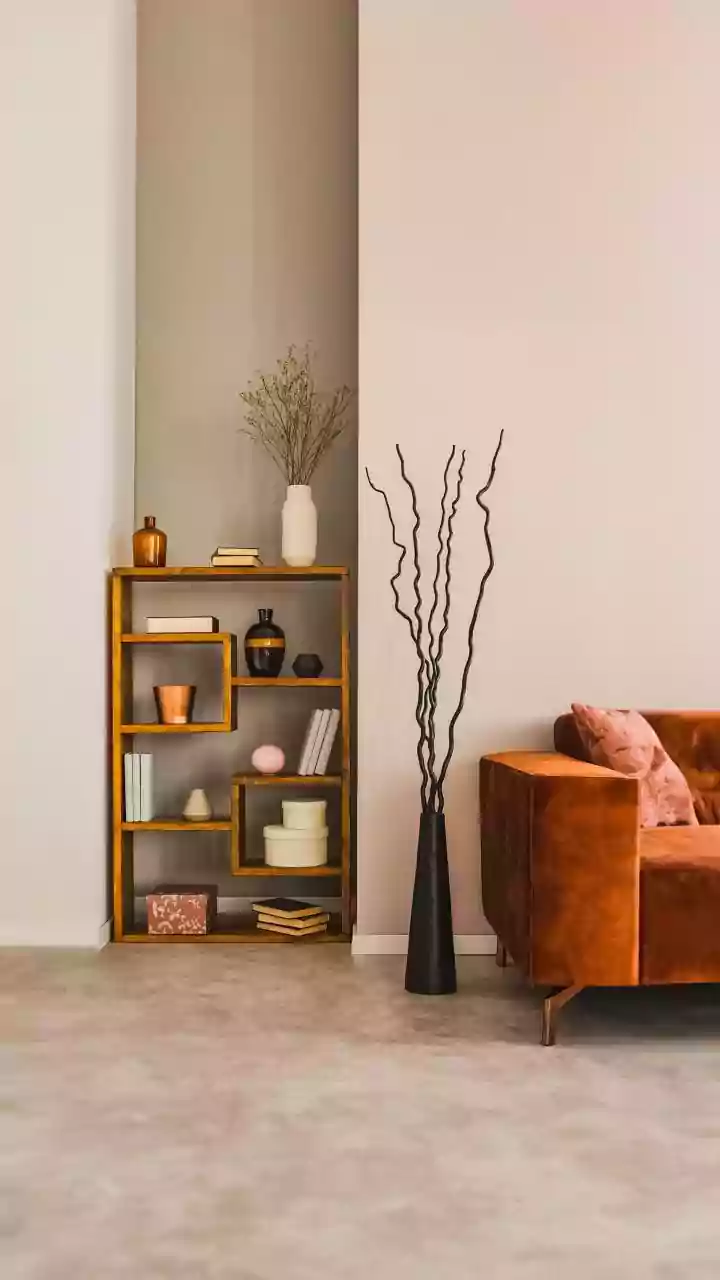
A colour-blocked wall shouldn't exist in isolation. To create a cohesive look, tie the colours into the rest of your room. This doesn't mean everything has to match perfectly. Instead, pick up one of the accent colours from your wall and repeat it in smaller doses throughout the space—think cushions, a throw blanket, an area rug, or a piece of art. This creates a visual thread that makes the entire design feel intentional. If you have a bold colour-blocked wall, it’s often best to let it be the star and keep the surrounding furniture relatively neutral. Conversely, if your walls are subtly blocked with pastel or neutral tones, you can be more adventurous with colourful furniture.