


Why Start Simple?
The key to a lifelong love of gardening is building confidence. Starting with demanding plants is a recipe for frustration. Low-maintenance plants, on the other hand, are forgiving. They tolerate a bit of neglect, adapt to various conditions, and provide
the satisfaction of seeing something thrive under your care. This success becomes the foundation for more ambitious gardening projects later on. These plants are not just decorative; they are teachers. They teach you the basics of plant care—observing leaves for signs of thirst, understanding light, and learning the rhythm of growth—without the high stakes. They offer all the benefits of biophilic design, like improved air quality and reduced stress, with a minimal learning curve.
1. The Snake Plant (Sansevieria)
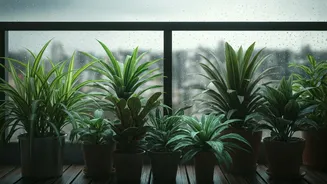
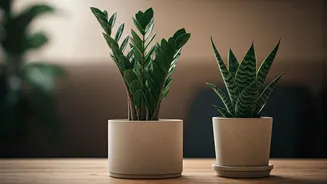
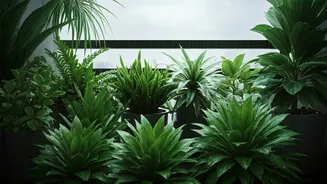
Often called 'mother-in-law's tongue', the Snake Plant is the undisputed champion of easy-care greenery. Its tough, upright leaves not only look striking and modern but are also incredibly resilient. This plant is a superstar for beginners because it thrives on neglect. It can survive in low light, withstand infrequent watering, and is known for its air-purifying qualities, converting CO2 into oxygen at night. Forget to water it for a few weeks? It will likely be just fine. Put it in a dim corner of your apartment? It will adapt. For the busy professional or the forgetful first-timer, there is no better starting point.
**Care Guide:**
* **Light:** Prefers indirect light but tolerates low light conditions.
* **Water:** Water only when the soil is completely dry. Overwatering is its only real enemy.
* **Bonus:** It's one of the top air-purifying plants recommended by NASA.
2. The Money Plant (Epipremnum aureum)
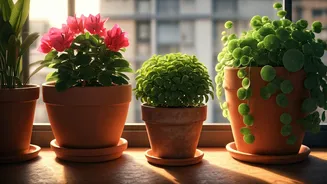
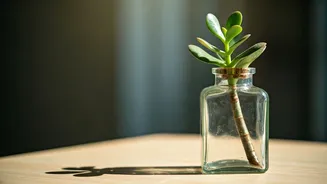
Found in countless Indian homes, the Money Plant, or Pothos, is a symbol of good luck and prosperity for a reason—it’s incredibly easy to keep alive and share. Its beautiful, heart-shaped leaves cascade gracefully from pots and shelves, adding a touch of vibrant green to any space. This vine is exceptionally adaptable. You can grow it in a pot with soil or even just in a bottle of water. It communicates its needs clearly: drooping leaves mean it's thirsty, while yellowing leaves might indicate too much water. It's a fast grower, giving you the rewarding experience of seeing new growth regularly.
**Care Guide:**
* **Light:** Thrives in bright, indirect light but can handle lower light levels.
* **Water:** Water when the top inch or two of soil feels dry.
* **Bonus:** Easy to propagate. Just snip a stem and place it in water to grow a new plant.
3. The ZZ Plant (Zamioculcas zamiifolia)
If you want a plant that looks like a piece of living sculpture and asks for almost nothing in return, meet the ZZ Plant. With its wide, dark green, glossy leaves, it looks almost artificial in its perfection. The ZZ plant is a drought-tolerant wonder, storing water in its underground rhizomes. This makes it the perfect plant for those who travel often or are prone to forgetting their watering can. It's so low-maintenance that its primary needs are to be potted and then largely ignored. It's also resistant to pests and diseases, removing another common source of beginner anxiety.
**Care Guide:**
* **Light:** Happy in low to bright indirect light. Avoid direct, harsh sunlight.
* **Water:** Infrequently. Allow the soil to dry out completely between waterings, sometimes as little as once a month.
* **Bonus:** Its slow growth means you won’t have to worry about repotting it often.
4. The Spider Plant (Chlorophytum comosum)
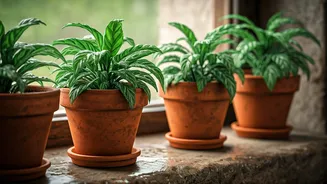
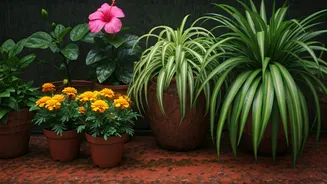
The Spider Plant is a retro classic that’s back in style for its easy-going nature and fun appearance. Its arching leaves and the 'spiderettes' (baby plants) that dangle from the mother plant make it a playful and decorative choice. These plants are remarkably forgiving and are great indicators of their needs. The tips of the leaves might turn brown if the water is too chlorinated (let it sit out overnight) or if the air is too dry. But overall, it's a hardy plant that adapts well to a range of home environments and is another excellent air purifier.
**Care Guide:**
* **Light:** Prefers bright, indirect light. Direct sun can scorch its leaves.
* **Water:** Water regularly, keeping the soil lightly moist, but it can tolerate some drying out.
* **Bonus:** The baby 'spiderettes' can be easily potted to create new plants for free.
5. Aloe Vera
More than just a pretty succulent, Aloe Vera is a 'two-in-one' plant that is both decorative and useful. Renowned for the soothing gel inside its leaves, which can be used to treat minor burns and skin irritations, Aloe is also incredibly easy to care for. As a succulent, it's adapted to dry conditions and prefers its soil to dry out completely between waterings. Its distinct spiky look adds a touch of desert chic to a sunny windowsill or balcony. For the practical-minded gardener, having a living first-aid kit on hand is a unique perk.
**Care Guide:**
* **Light:** Loves bright, indirect sunlight. A south- or west-facing window is ideal.
* **Water:** Water deeply but infrequently. Let the soil dry out completely before watering again.
* **Bonus:** The gel inside its leaves has medicinal and cosmetic properties.