







The Fading Allure of the Crowded Coast
The classic image of North Goa is one of perpetual motion: bustling markets, beach shacks blaring music, and sands packed shoulder-to-shoulder. This vibrant chaos was, for a long time, the state's main draw. However, years of relentless tourism have taken
a toll. Overtourism has led to strained infrastructure, environmental degradation, and a sense of fatigue among both locals and visitors. Beaches that were once pristine are now often littered, and the constant hustle can feel more draining than rejuvenating. This has sparked a quiet rebellion against the 'more is more' philosophy, with many travellers now questioning if the quintessential Goa experience has lost its charm.
A Shift in Mindset: The Rise of 'Quiet Luxury'
The definition of luxury is evolving. It's no longer solely about five-star resorts and exclusive parties, although those still exist. The new luxury is experiential, centred on peace, privacy, and a genuine connection with nature. This trend, accelerated by a global post-pandemic desire for slower, more meaningful travel, finds its perfect expression in Goa. Travellers are increasingly willing to trade the convenience of a crowded hub for the serenity of a remote cove. This shift is also recognised by Goan authorities, who are now promoting a "Goa beyond beaches" narrative, emphasising wellness, culture, and sustainable experiences over sheer volume.
South Goa: The Epicentre of Serenity
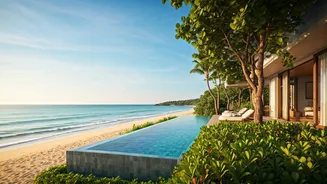
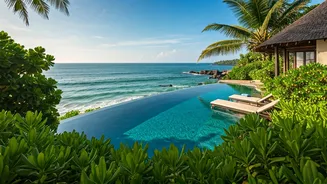
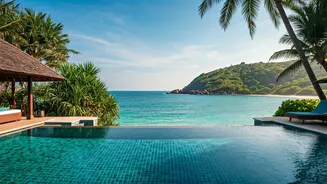
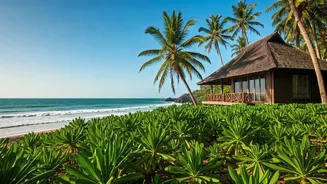
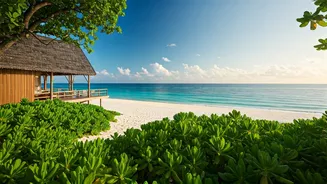
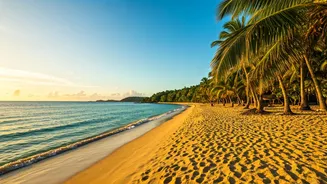
While North Goa remains the state's energetic heart, South Goa has emerged as the sanctuary for those seeking tranquillity. The beaches here are often wider, cleaner, and significantly less crowded. Places like Agonda, Palolem, and Patnem offer a balanced mix of calm and convenience. For true isolation, travellers head further south to gems like Talpona, a remote fishing beach, or Galgibaga, a protected Olive Ridley turtle nesting site where commercial activity is minimal. Other spots like Cola Beach, with its unique freshwater lagoon, and the secluded Kakolem Beach offer an almost private experience, defining this new, quiet opulence.
Beyond the Sand: Embracing Sustainable and Slow Travel
The search for quiet luxury extends beyond the coastline. It's about a holistic approach to travel that prioritises well-being and sustainability. Eco-friendly resorts and homestays, particularly in the hinterlands, are gaining popularity. These establishments often feature locally sourced materials, farm-to-table dining, and a low environmental footprint. Activities are also shifting from water sports to wellness retreats, yoga, birdwatching, and cycling through quiet villages. This form of 'regenerative tourism' aims to benefit local communities and preserve Goa's natural and cultural heritage, ensuring the destination's longevity.
Is This the Future of Goan Tourism?
While Goa's overall tourist arrivals continue to grow, driven by a domestic surge, there's a clear divergence in what visitors are seeking. The decline in some international segments, who are now seeking cheaper and cleaner alternatives in Southeast Asia, coincides with the rise of a discerning domestic traveller looking for quality over quantity. The government's focus is shifting from measuring success by arrivals to cultivating high-value experiences that are sustainable year-round. By promoting off-season travel and developing its rich cultural and natural assets, Goa is slowly repositioning itself. The near-empty beach is more than just a beautiful view; it's a symbol of a more conscious and sustainable direction for India's favourite coastal escape.