



Understanding the Atmosphere's 'Lid'
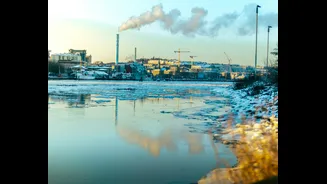
Normally, the air closest to the ground is warmer than the air above it. This warm air rises, carrying pollutants up and away, a process called convection. But on cold, clear nights, the ground cools off rapidly, chilling the air just above it. This creates
a 'temperature inversion,' where a layer of cold, dense air gets stuck beneath a layer of warmer air. This warm upper layer acts like a lid on a pot, stopping the normal vertical movement of air and trapping everything underneath.
How a Perfect Pollution Storm Brews
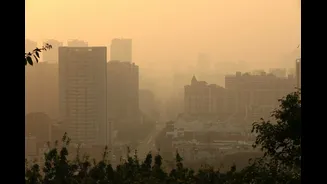
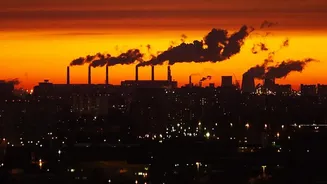
This atmospheric 'lid' is particularly effective at trapping pollutants. Emissions from vehicles, industrial activity, and residential heating for warmth get trapped in this cold surface layer. In northern India, this problem is compounded by calm winter winds that prevent pollutants from dispersing horizontally, and geographical factors like the Himalayas that can block air flow. This mixture of trapped emissions, which includes harmful fine particulate matter (PM2.5), nitrogen oxides, and carbon monoxide, cooks into a toxic smog that can linger for days, especially during the morning hours.
Why Outdoor Exercisers Are More Vulnerable
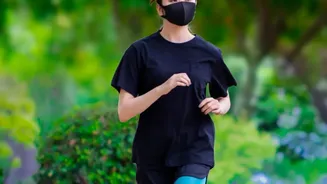
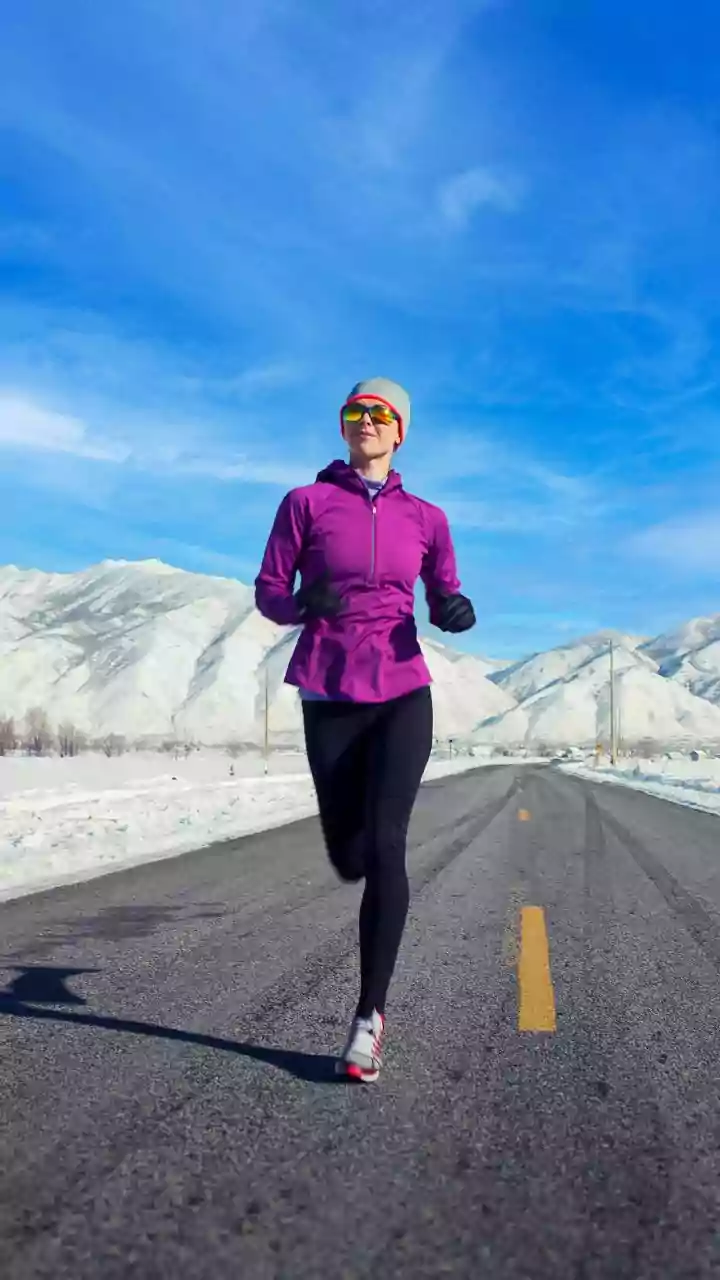
If you're exercising outdoors, you are at an increased risk. During a workout, your breathing rate accelerates dramatically; you can inhale up to 15 times more air per minute than when you are at rest. This means you are also inhaling a much larger volume of pollutants, pulling them deeper into your lungs where they can more easily enter the bloodstream. Many popular running tracks and parks are located near busy roads, which are major sources of vehicular emissions. During an inversion, these areas become hotspots where pollutants are highly concentrated at ground level.
The Health Risks of a Polluted Workout
Exercising in highly polluted air can undermine the very health benefits you seek. Short-term exposure can cause coughing, throat irritation, shortness of breath, and fatigue. Studies have shown that long-term exposure to pollutants like PM2.5 during exercise can reduce the protective effects of physical activity on the heart and may even lead to increased inflammation and a higher risk of chronic respiratory and cardiovascular diseases. While some physical activity is often better than none, the benefits begin to diminish significantly as air quality worsens.
Train Smarter: How to Protect Yourself
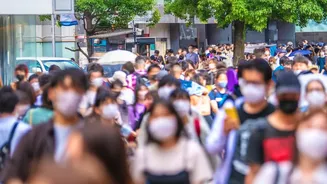
You don't have to give up on fitness when the air quality drops. The key is to be strategic. Always check the Air Quality Index (AQI) before heading out. On days with 'Poor' to 'Severe' AQI readings (generally over 150-200), it's wisest to move your workout indoors. If you must exercise outside, try to do it in the afternoon when the sun has warmed the ground and the inversion layer has had a chance to break up and disperse pollutants. Avoid morning workouts, which are often when pollution is at its peak. Also, choose locations away from heavy traffic and consider wearing a well-fitted N95 mask to reduce your intake of harmful particles.