






The Carpeted Deception
Shoe stores are often designed for comfort, with plush carpets and soft lighting. While inviting, that soft carpeting can be misleading. It provides a cushioned, forgiving surface that masks how a shoe will truly feel on real-world surfaces like pavement,
tile, or hard flooring. Walking on a soft surface means your foot doesn't receive the same impact and feedback as it does on a firm one. A shoe that feels comfortable on a rug might reveal pressure points, a lack of support, or an awkward sole design once you step onto the sidewalk. Actively seek out a non-carpeted area in the store—or even ask to step outside the entrance—to get a genuine feel for the shoe's construction and support underfoot. This simple test mimics the conditions you’ll actually be walking in.
Time Your Shopping Trip Wisely
The time of day you shop for shoes significantly impacts the fit you get. Feet naturally swell and expand throughout the day due to walking and standing. This means a shoe that fits perfectly in the morning might feel uncomfortably tight by evening. To find a size that remains comfortable all day, it's best to shop for shoes in the late afternoon or evening. This is when your feet are at their largest, ensuring you buy a pair that can accommodate this natural expansion. Trying on shoes when your feet are swollen provides a more accurate measure of the fit you'll need for consistent comfort.
Size Is Just a Number
Don't get attached to a specific shoe size. Sizing is not standardized across brands; a size 8 in one brand might fit like a 9 in another. Each manufacturer uses its own models, known as "lasts," to shape their shoes, leading to significant variations in fit even for the same numbered size. Always judge a shoe by how it feels, not by the number printed on the box. It’s also important to have both of your feet measured, as many people have one foot that is slightly larger than the other. You should always buy shoes that fit your larger foot comfortably.
The Wiggle Room Rule
A proper fit goes beyond just length. When you're standing in the shoes, there should be about half an inch, or a finger's width, of space between your longest toe and the end of the shoe. This allows your foot to move forward naturally as you walk without your toes hitting the front. Wiggle your toes to make sure there's enough room in the toe box and that they don't feel compressed. Equally important is the width. The ball of your foot should fit comfortably in the widest part of the shoe without feeling squeezed. Finally, check the heel. Your heel should fit snugly and not slip up and down as you walk.
Never Assume They Will 'Break In'
The idea that a tight pair of shoes will eventually stretch to a comfortable fit is a common myth. While some materials like leather may give slightly over time, modern shoes made from synthetic materials often have very little stretch. A shoe should feel comfortable from the moment you try it on in the store. Buying a shoe that is too tight in the hopes that it will adapt is a recipe for blisters, bunions, and general foot pain. Don't rationalize discomfort. If they pinch, rub, or squeeze your feet, they are not the right fit.
Come Prepared for the Occasion
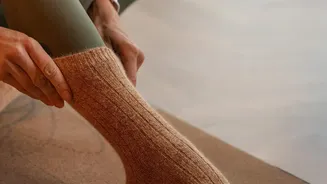
The type of socks you wear can dramatically alter how a shoe fits. When you go shoe shopping, wear the same kind of socks that you intend to wear with the new shoes. Trying on athletic shoes with thin dress socks, or formal shoes with thick sports socks, will not give you an accurate sense of the fit. Also, consider the shoe's intended purpose. A running shoe requires a different fit and support system than a casual sneaker or a formal dress shoe. Thinking about how and where you'll wear the shoes will help you make a much more practical and comfortable choice.