





Choose a Featherlight Bag
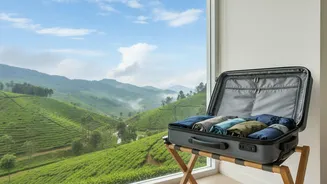
Your packing mission begins before you even place a single item inside your bag. The bag itself is part of your weight allowance. Many hard-shell trolley bags can weigh 2-3kg while empty, eating up a huge portion of your 7kg limit. Instead, opt for a lightweight
backpack or a soft-sided duffel bag designed for travel. These often weigh under 1kg, giving you more precious weight for your actual belongings. Always check your specific airline's size and weight restrictions before you start, as they can vary.
The Right Rain Jacket is Everything
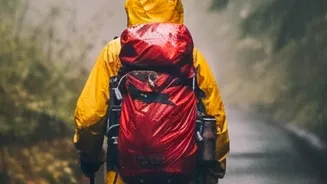
Forget the bulky, heavy raincoat. Your single most important item is a modern, lightweight, and highly packable waterproof jacket. Look for technical shells used for hiking or running. These are designed to be waterproof and windproof but can often be compressed down to the size of an apple. This one item will be your shield against the elements, so it's worth investing in a good one. It serves a dual purpose as a windbreaker even on dry, breezy days. Wear this item onto the plane to save even more space and weight in your bag.
Master the Art of Layering
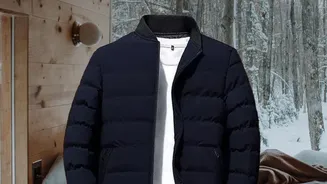
Instead of packing thick, heavy jumpers, think in layers. A combination of thin layers will keep you warmer and offer more versatility. Start with a base layer, such as a merino wool t-shirt. Merino is fantastic for travel as it’s lightweight, regulates temperature, and is naturally odour-resistant, meaning you can wear it multiple times before washing. Add a thin mid-layer like a micro-fleece or a long-sleeved thermal top. When combined with your waterproof outer shell, these three light layers can handle surprisingly cold and damp conditions.
Embrace Quick-Dry Fabrics
In a rainy climate, your clothes will inevitably get damp. The key is packing items that dry overnight. Swap out heavy cotton denim for trousers made from synthetic, quick-dry materials. Many travel and outdoor brands offer stylish pants that look smart but are secretly technical. These are often lighter and less bulky than jeans. The same principle applies to your tops and underwear. A few well-chosen quick-dry items mean you can wash them in your hotel sink and have them ready to wear the next morning.
Roll, Cube, and Conquer
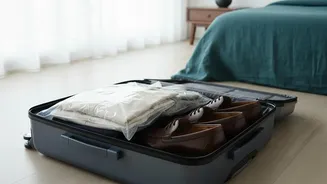
How you pack is as important as what you pack. Rolling your clothes instead of folding them is a classic space-saving technique that also helps to minimise wrinkles. To take your organisation to the next level, use packing cubes. These zip-up pouches allow you to compress and compartmentalise your clothing. You can have one for tops, one for bottoms, and one for underwear. Not only does this save a surprising amount of space, but it also makes living out of your suitcase a breeze. You'll know exactly where everything is without having to unpack your entire bag to find one pair of socks.
Shrink Your Toiletry Kit
Liquids are heavy. A standard bottle of shampoo or body wash can derail your 7kg goal instantly. The solution is to miniaturise. Decant your essential liquids into 100ml reusable travel bottles. Better yet, switch to solid toiletries. Solid shampoo bars, conditioner bars, and toothpaste tablets eliminate the risk of spills and are significantly lighter. These can be a game-changer for staying under weight limits. A travel-sized toothbrush and a foldable hairbrush will also help shave off crucial grams.
Limit Footwear and Accessorise Smartly
Shoes are notoriously bulky and heavy. For a one-week trip, you do not need more than two pairs. Wear your heaviest, most practical pair on the plane – ideally, waterproof boots or comfortable sneakers. The second pair you pack should be lightweight, such as a pair of flats or sandals that can be used for evenings or indoors. To further weather-proof your trip, consider a packable waterproof cover for your backpack and a fast-drying microfibre travel towel, which takes up a fraction of the space of a traditional towel.