


A Centuries-Old Tradition Reawakens
The Pushkar Mela, or Pushkar Fair, officially commenced on November 17, 2026, with a traditional flag-hoisting ceremony and cultural performances. Spanning until November 24, this week-long event is a remarkable fusion of two distinct happenings: a sprawling
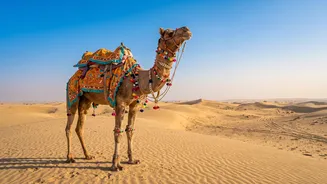
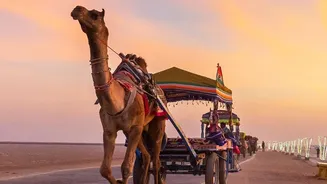
livestock market and a deeply significant religious pilgrimage. For generations, herders from across Rajasthan have converged on the dunes of Pushkar to trade tens of thousands of camels, horses, and cattle. This ancient commercial gathering has evolved into a world-renowned cultural spectacle, attracting visitors from every corner of the globe. The early days of the fair, from November 17 to around November 20, are dominated by the raw energy of the livestock trading. This is when the fairgrounds are at their most authentic, with herders grooming their animals, negotiating deals, and creating a scene that feels like a step back in time.
More Than Just a Camel Fair
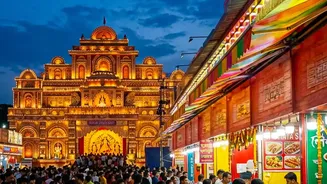
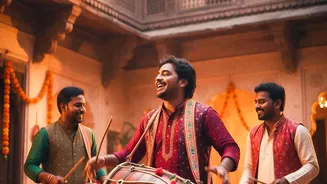
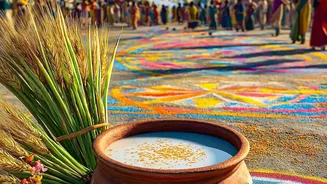
While the camels are the undisputed stars, the fair has grown into a grand cultural festival organised by Rajasthan Tourism. As the week progresses, the focus shifts from trade to celebration. The Mela grounds come alive with a host of competitions and events that showcase Rajasthani culture in all its glory. Visitors can witness the famous 'longest moustache' competition, energetic games of 'matka phod' (pot breaking), spirited tug-of-war matches, and even a bridal competition. The camels themselves participate in pageants, with contests for the best-decorated animal and camel races that are a thrilling sight to behold. The air fills with the sounds of folk music and the sight of Ghoomar and Kalbelia dancers, while bustling bazaars offer everything from silver jewellery to embroidered textiles.
The Spiritual Heartbeat of Pushkar
Underpinning the entire spectacle is a profound spiritual significance. The fair is timed to coincide with Kartik Purnima, the full moon night of the Hindu month of Kartik, which falls on November 24 this year. According to legend, the sacred Pushkar Lake was created from a lotus petal dropped by the Hindu deity Lord Brahma, and the town is home to one of the world's very few temples dedicated to him. It is believed that on Kartik Purnima, the gods descend upon the lake, and taking a holy dip in its waters can cleanse sins and lead to salvation. In the days leading up to the full moon, hundreds of thousands of pilgrims arrive, transforming the 52 ghats surrounding the lake into a hub of devotion, prayer, and evening 'aarti' ceremonies where countless lamps are floated on the water.
Highlights and Experiences for 2026
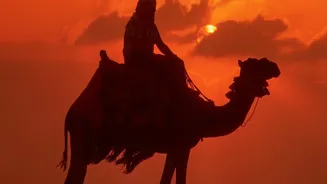
For those visiting this year, the experience offers a diverse palette. The opening ceremony on November 17 featured a horse race and folk dance performances, attended by state officials who spoke of ongoing development projects like the 'Pushkar Corridor' to improve facilities. Beyond the main fairgrounds, a hot air balloon ride at sunrise offers a breathtaking perspective, revealing the vast scale of the tent city and the sprawling herds below. Camel safaris into the surrounding dunes at sunset are another popular activity, often accompanied by local musicians. Visitors are advised that the first half of the fair is best for witnessing the livestock trading, while the latter half is packed with cultural events and the build-up to the religious ceremonies. For an optimal experience combining both aspects, many recommend visiting between November 21 and 22, when the cultural programming is in full swing but the peak crowds of Kartik Purnima have not yet arrived.